
QUICK ANSWER
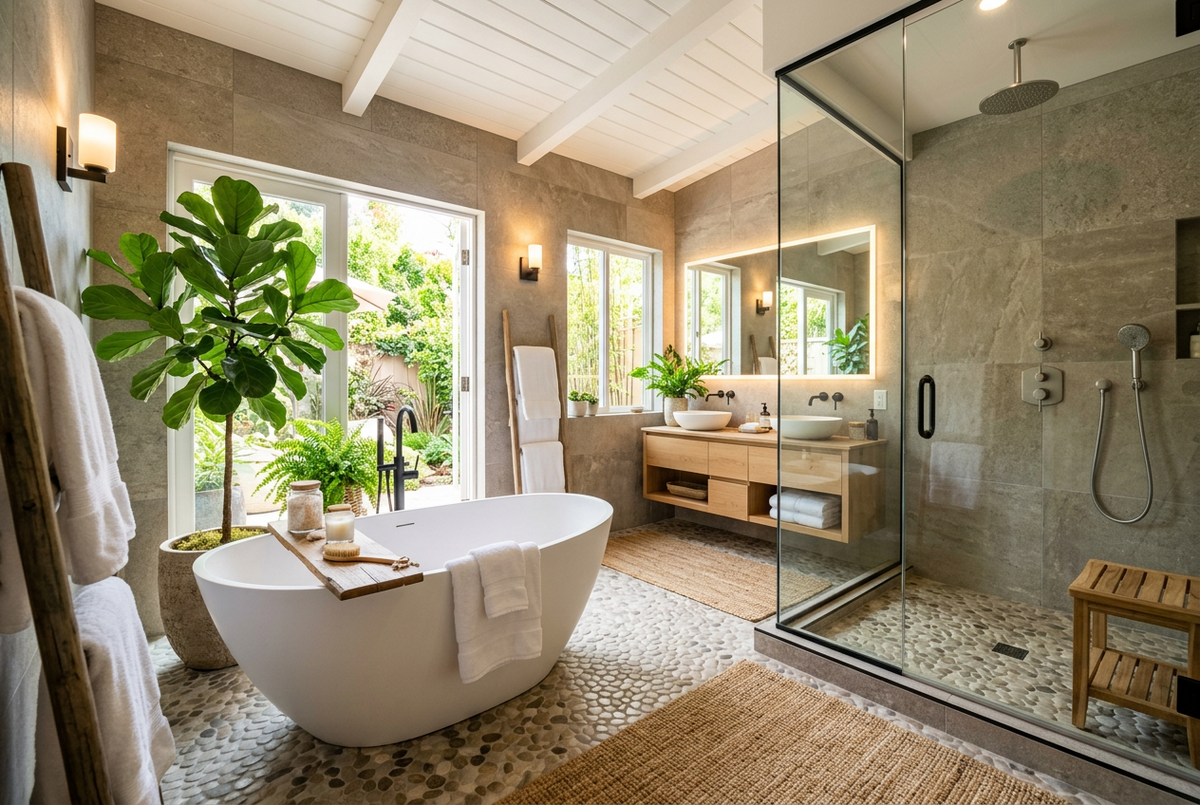
The best master bathroom ideas use tile to create calm, not just to decorate. Start with what your body touches most, then add one focal wall and a quiet palette.
- Floor: a textured, slip-resistant natural stone surface such as pebble or stone mosaic, ideally with heat underneath
- Shower: fully waterproofed, sloped about 1/4 inch per foot toward the drain, with a pebble floor and low-maintenance walls
- Focal wall: one feature that catches light, such as pearl shell, glass, or marble mosaic
- Palette: two or three quiet tones, with texture doing the work instead of pattern
- Budget order: waterproofing and installation first, decoration second
About 230,000
emergency room visits a year in the U.S. for bathroom injuries among adults, mostly from falls (CDC)
0.42
wet DCOF, the benchmark for tile labeled for level interior floors that get wet (ANSI A137.1)
1/4 inch
per foot of slope toward the drain for a shower floor, the figure most plumbing codes use
You know the feeling. You spend a weekend at a hotel with a real spa, you step onto warm stone, the light is soft, the room is quiet, and for twenty minutes nothing is asking anything of you. Then you come home to your primary bathroom, with its cold builder-grade tile, its harsh overhead light, and a shower floor that makes you wince at 6 a.m. It is a small room that you use at the start and end of every single day, and it often gets the least thoughtful design in the whole house.
The good news is that you do not need a hotel budget or a hotel footprint to change that. You need a plan, and you need to understand what tile can and cannot do. Tile is the surface your feet, hands, and eyes meet first. It controls how the room feels underfoot, how light moves, how loud the space sounds, and how much work it is to keep clean. Get the tile right and everything else, from the vanity to the lighting, starts to fall into place.
This guide walks through 25 master bathroom ideas built around tile, with real materials you can order, practical notes on what to watch for, and honest trade-offs. (Many designers now say primary bathroom or primary bath instead of master bathroom. They mean the same room, and you will see both terms here.) If you want a deeper look at pebble alone, our guide to using pebble tiles to create a spa-like bathroom goes further. This one covers the whole room.
What Makes a Master Bathroom Feel Like a Spa?
A spa feeling is not a style. It is a set of conditions: warmth, softness, quiet, natural materials, and a sense that nothing is cluttered or sharp. You can create those conditions in a modern room, a traditional room, or a very small room. The five principles below show up in nearly every bathroom that feels restful, and tile has a hand in all of them.
Notice what is not on that list: marble everywhere, a freestanding tub the size of a canoe, or a rain shower head the width of a dinner table. Those can be lovely, but they are details. The conditions above are what make a room feel like a spa, and most of them come down to material choices you can make at almost any budget.
The 6 a.m. Test: How to Choose Tile Like You Actually Live There
Showrooms and screens are poor places to judge bathroom tile, because they show you color and pattern and hide everything else. Before you fall for a sample, run it through what we call the 6 a.m. test. Picture yourself on an ordinary weekday, half awake, in this room. Then ask five questions.
- Feet: How will this feel at the temperature the room really runs? Cold, smooth, and hard is the default. Warm, textured, and a little forgiving is what you are after.
- Hands: What will I touch most? Wall tile around the shower valve, the vanity edge, and the towel zone get handled constantly, so they should clean easily and feel pleasant.
- Eyes: Does the surface glare under my actual lights, or does it soften them? Look at samples in the room, in the morning and in the evening.
- Ears: Hard, flat surfaces bounce sound. A mix of textures, such as a stone mosaic floor and a soft rug, makes the room feel quieter.
- Upkeep: How many grout lines will I be cleaning, and what happens when the room is damp for days? A bathroom you dread cleaning stops feeling like a retreat.
If a tile passes all five, it belongs in your plan. If it only passes the eyes test, it might still be right for a small accent, but it should not carry the whole room.
Spa-Ready Fundamentals: Do These Before You Pick a Pattern
Every good-looking bathroom that fails early fails for the same reasons, and none of them are about style. Settle these basics with your contractor first, because they decide how long your design lasts.
CRITICAL: WATERPROOFING IS REQUIRED, NOT OPTIONAL
A shower floor and shower walls need a continuous waterproofing system under the tile. Tile and grout are not waterproof on their own, and water that gets behind them rots framing and grows mold where you cannot see it. This is the single most expensive thing to skip. Put it at the top of your budget, before any decorative upgrade.
Slip resistance matters more than most people think
Bathrooms are where adults fall. The Centers for Disease Control and Prevention has reported roughly 230,000 emergency department visits a year among U.S. adults for nonfatal bathroom injuries, with falls the leading cause and the tub or shower the most common location. A wet, smooth floor is the problem, and tile choice is one of the few design decisions that directly addresses it.
For manufactured tile, the standard to know is ANSI A137.1, which uses a wet dynamic coefficient of friction (DCOF) of 0.42 as the benchmark for tile labeled suitable for level interior floors that will be walked on when wet. Ask for that number on any porcelain or ceramic floor tile you consider. Natural stone such as pebble is not usually rated the same way. Instead, its irregular surface and the many grout lines between small stones create traction. That is a big reason pebble and small-format mosaics are so common on shower floors.
Slope, substrate, and grout
- Slope: a shower floor should fall about 1/4 inch per foot toward the drain. Small mosaics and pebbles follow that slope far more easily than large tiles, which is another reason they suit shower floors.
- Substrate: tile needs a flat, rigid, properly prepared base. A beautiful design on a flexing floor will crack.
- Grout: pebble and mosaic use more grout than large tile, so the grout choice matters. Our guide to sanded vs unsanded grout explains which to use where, and how to grout pebble tile walks through the process.
- Sealing: natural stone, including pebble and marble, should be sealed before and after grouting, then resealed on a schedule. See our guide to sealing a pebble shower floor for the routine.
Ventilation and heat
A damp room breeds mold no matter how nice the tile is. A properly sized exhaust fan that vents outdoors, run during showers and for a while afterward, protects grout, paint, and your lungs. If you want warm floors, electric radiant mats installed under the tile are a common upgrade. Choose a thermostat with a floor sensor, and confirm with the heating mat manufacturer that your chosen tile and setting bed are compatible.
PRO TIP: LAY OUT YOUR SAMPLES IN THE REAL ROOM
Tile looks different in your own lighting than it does online or in a store. Set samples on the floor and against the wall, check them in morning and evening light, and wet them to see how the color shifts. Our pebble tile sample guide shows what to look for.
Which Tile Goes Where in a Spa-Style Master Bathroom
Not every tile belongs everywhere. This quick reference shows how the most useful materials map onto the main zones of a primary bathroom. Use it as a starting point, and check each product page for specifics before you commit.
With those fundamentals in place, here are the ideas. We group them by area of the room, so you can jump to the part you are planning and mix ideas across groups.
Shower Retreats: Ideas 1 to 5
The shower is where most people spend their spa time, so it gets the first five ideas. Each one pairs a look with a practical way to build it.
1. A Pebble Tile Shower Floor That Feels Like a Stream Bed
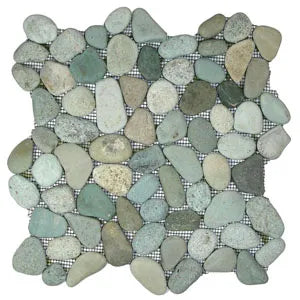
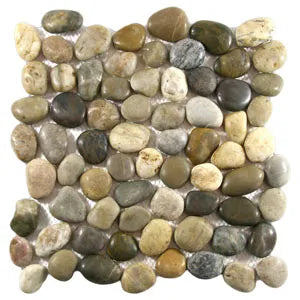
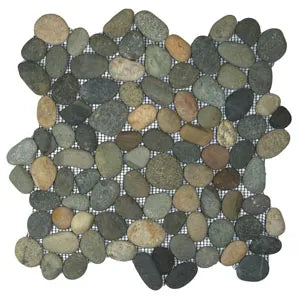
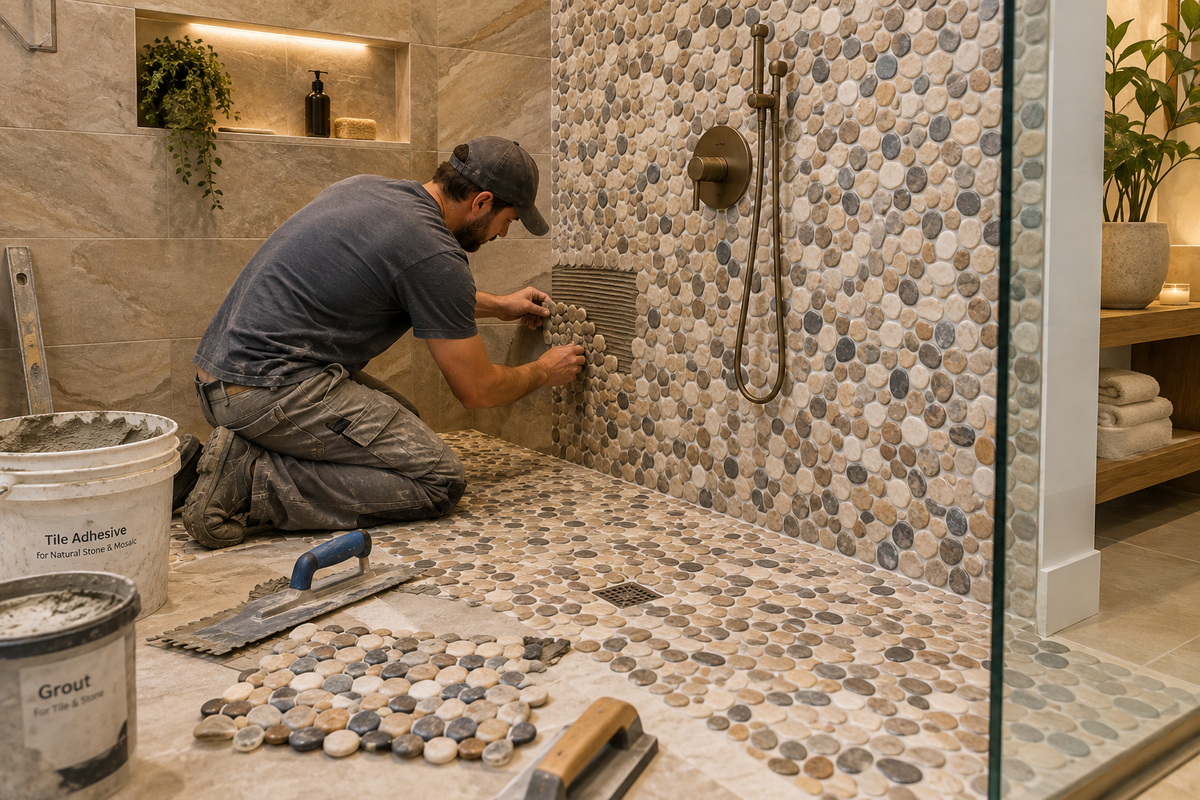
If one idea defines the at-home spa, it is a pebble shower floor. The stones read like a dry creek bed, the surface has a gentle give that some people describe as a light foot massage, and the grout lines between stones add traction when the floor is wet. Not everyone loves the feel, so stand on a sample barefoot before you commit.
- Why it feels like a spa: natural color variation, an organic surface, and a visual quietness that polished tile rarely has.
- How to do it: choose a stone color that sits in the middle of your palette. Smoother, polished stones tend to feel gentler underfoot, while natural finishes carry more texture. Our pebble tile shower floor installation guide covers the full process.
- Watch for: sealing, grout fill, and regular cleaning. Pebble needs a little more care than flat tile, and the pros and cons of pebble shower floors lay out the trade-offs honestly.
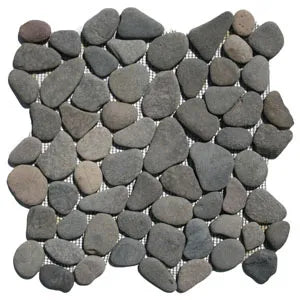
PEBBLE SHOWER FLOOR OPTIONS
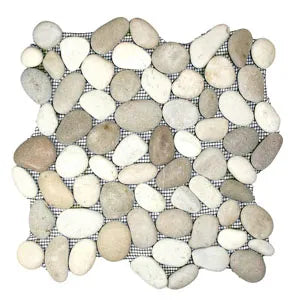
2. A Walk-In Shower With a Pebble Floor and Quiet Wall Tile
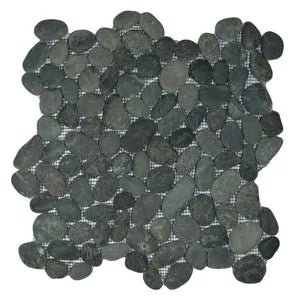
Pebble is wonderful underfoot but busy to look at, so let the walls be calm. A large, simple wall tile in a color pulled from the pebbles gives the eye a place to rest and cuts the number of grout lines you will scrub for years.
- Why it works: the floor supplies the texture and the walls supply the stillness. Together they feel intentional instead of fussy.
- How to do it: pull the wall color from the lightest or middle tone in the pebble blend, not the darkest. Keep grout close to the tile color on the walls so the lines fade away.
- Watch for: a clean transition where floor meets wall. A neat, flexible sealant at that joint, rather than rigid grout, handles the small movement between surfaces. For more layouts, see our walk-in shower tile ideas.
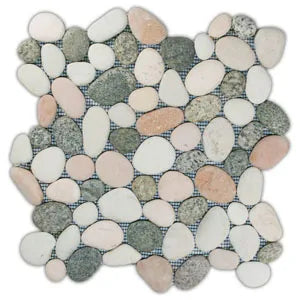
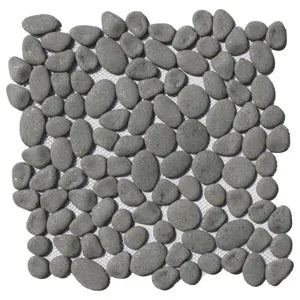
NEUTRAL GRAY PEBBLES FOR A CALM SHOWER
3. A Curbless Shower Where the Floor Flows Straight In
A curbless shower, with no step to climb, makes a bathroom feel larger and easier to use at any age. It also takes more planning than a standard shower, because the shower floor has to slope while the rest of the room stays level.
- Why it feels like a spa: an unbroken floor line is calm to look at, and it removes a trip hazard.
- How to do it: decide before the walls are framed. The subfloor in the shower area is often recessed so the slope can happen without a raised edge, and many designers pair this with a linear drain. Small mosaics and pebbles follow slopes smoothly, which makes them a natural fit.
- Watch for: waterproofing needs to extend beyond the shower footprint, because water can travel across a flush floor. This is a job for a contractor who has built curbless showers before.
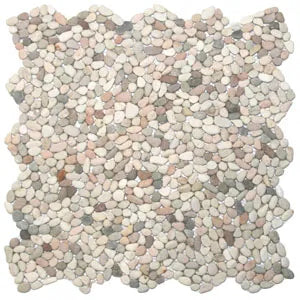
SMALL-STONE FLOORS THAT FOLLOW A SLOPE
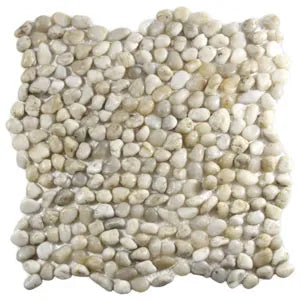
4. A Shower Niche That Glows With Pearl Shell
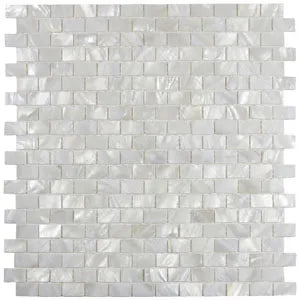
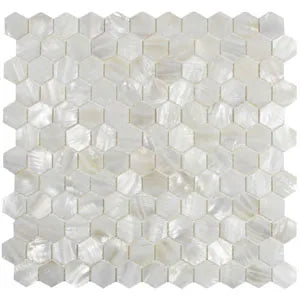
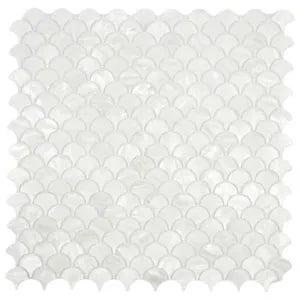
A niche is a small place to spend your budget on something special. Lining it with pearl shell tile catches the light from the shower and turns a storage shelf into a quiet focal point.
- Why it feels like a spa: pearl shell has a soft, shimmering sheen that glass and ceramic cannot copy, and it reads as luxurious without being loud.
- How to do it: keep the niche the only pearl element in the shower so it stands out. Make the niche shelf slope very slightly toward the shower so water does not pool.
- Watch for: pearl shell is delicate compared to stone. Use it on walls, not floors, avoid harsh abrasive cleaners, and follow the product page for installation details. Our guide to pearl tiles explains the options.
PEARL SHELL OPTIONS FOR A NICHE
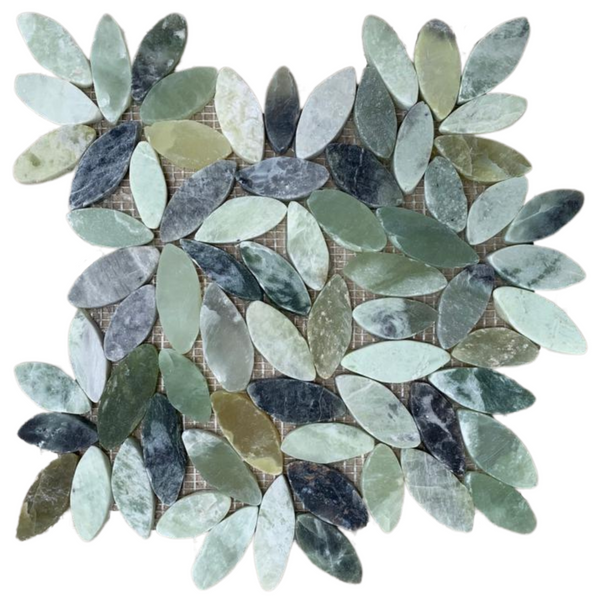
5. A Rain Shower Alcove Wrapped in Stone Mosaic
If your shower is an alcove with three walls, wrapping all three in a stone mosaic turns it into a room within the room. The small pieces catch light unevenly, which keeps a large surface interesting without pattern.
- Why it feels like a spa: natural stone has depth and variation that make a plain shower feel built, not installed.
- How to do it: choose one stone mosaic for the whole alcove and keep the rest of the bathroom simpler. Mosaic sheets handle curves and corners well. Seal the stone before and after grouting.
- Watch for: more grout lines mean more cleaning. Choose a grout color close to the stone, seal the grout, and wipe the walls with a squeegee after showers.
STONE MOSAICS FOR SHOWER WALLS
PRO TIP: PUT THE TEXTURE WHERE YOUR FEET AND EYES LAND
If you are working with a limited budget, spend on the shower floor and one wall. Those are the two surfaces you notice most. Simple tile on the other surfaces keeps the room calm and keeps cost in check.
Floors That Feel Good at 6 a.m.: Ideas 6 to 10
A cold floor is the quickest way to ruin a spa feeling. These five ideas focus on comfort and calm, from warmth under your feet to patterns that keep the room quiet.
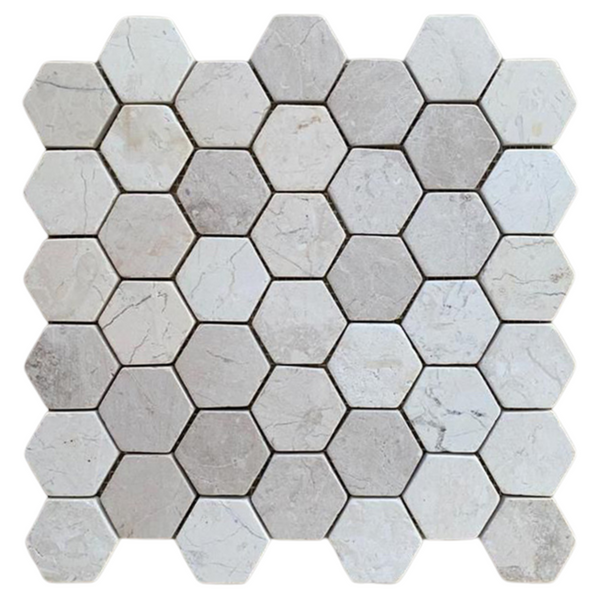
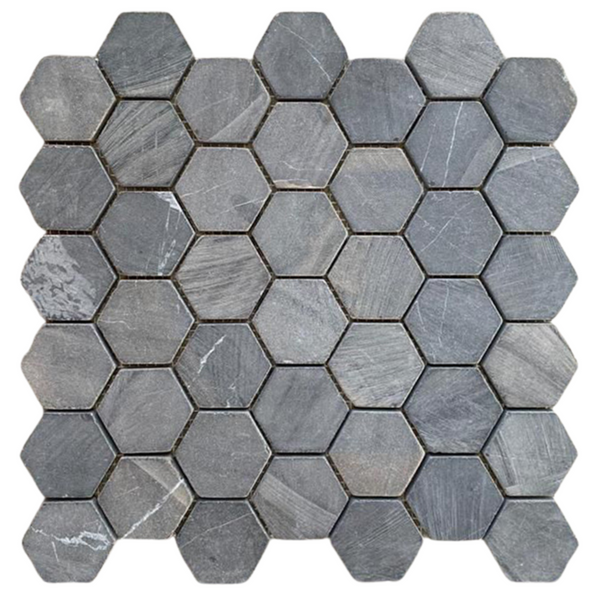
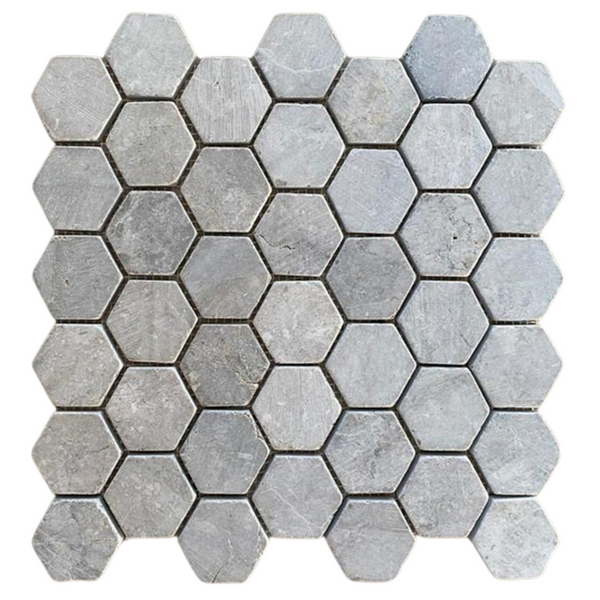
6. Warm Floors: Radiant Heat Under a Marble Mosaic
Heated bathroom floors are one of the most-loved upgrades in a primary bath, and tile is the ideal partner. Stone and tile conduct and hold heat well, so the room warms from the ground up instead of blasting hot air at your face.
- Why it feels like a spa: warmth underfoot is the first thing you notice at a good hotel spa, and it is the first thing missing at home.
- How to do it: electric radiant mats go in before the tile. Pair them with a thermostat that has a floor sensor, and ask your installer to confirm that your tile and setting materials are compatible with the system.
- Watch for: plan the heating zone around the vanity and shower exit, not the whole room, if budget is tight. Marble mosaic is common over heat, but seal it and avoid acidic cleaners that can dull the surface.
HEXAGON MARBLE MOSAIC FLOORS
7. A Sliced Pebble Floor for Calm Without the Bumps
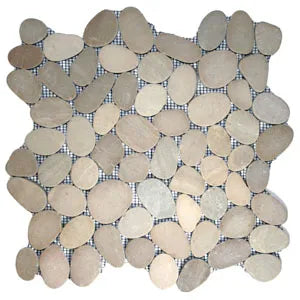
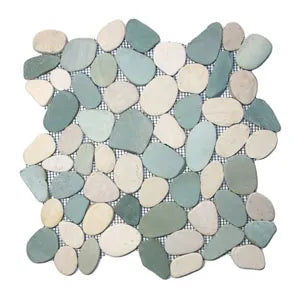
Some people love the texture of a classic pebble floor. Others want the natural stone look with a flatter, smoother surface. Sliced pebble tile uses stones cut flat, so it keeps the organic color and pattern while giving you an easier surface to walk on.
- Why it feels like a spa: the stones look natural and varied, but the floor is smoother, which suits bare feet and bath mats.
- How to do it: sliced pebble works in showers, and it also suits dry floor areas where you want a natural look without a bumpy surface. Check the product page for installation notes for your application.
- Watch for: a smoother surface can be less grippy when wet, so for a shower floor, ask about slip resistance and keep grout joints properly filled.
SLICED AND POLISHED PEBBLE FLOORS
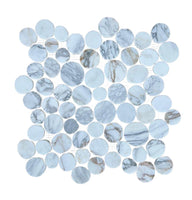
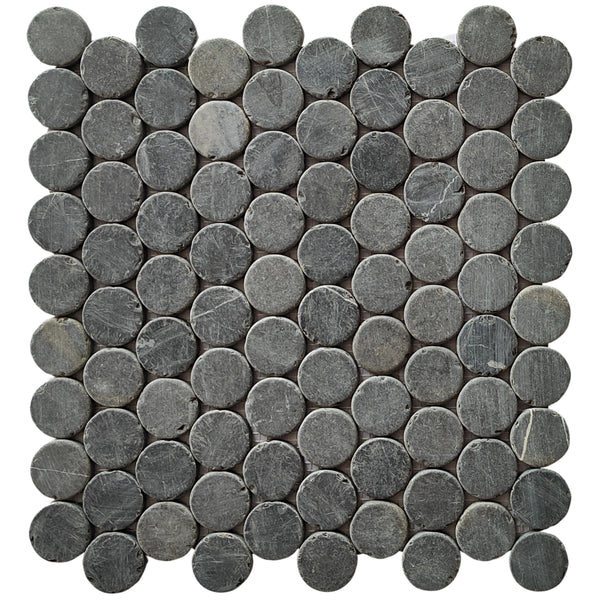
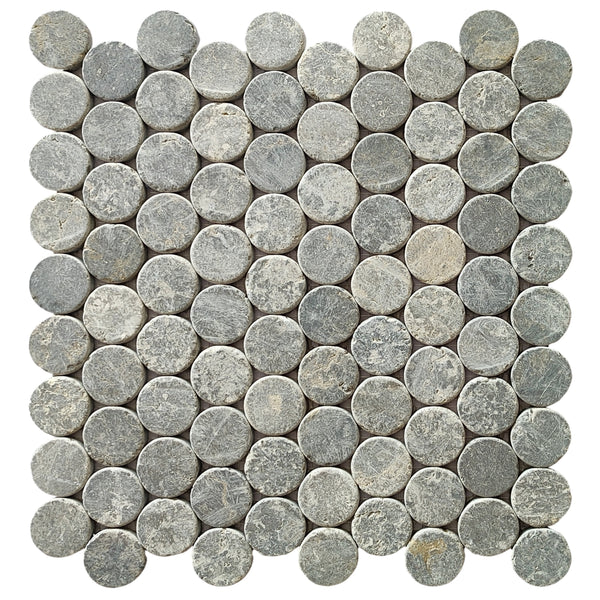
8. Penny Round Marble for a Soft, Vintage Spa
Penny round mosaics have a gentle, rounded look that softens a room full of straight lines. They suit a traditional bathroom, and they also suit a modern one when you keep the colors simple.
- Why it feels like a spa: the round shapes feel soft and unhurried, a bit like pebbles that have been arranged by hand.
- How to do it: use white or soft gray for a light, airy floor, or a dark gray for a moody one. Match the grout to the tile for a clean, even look, or go a shade darker for definition.
- Watch for: marble can etch, which means dull spots from acidic products like some bathroom cleaners and vinegar. Use pH-neutral cleaner and seal the stone.
PENNY ROUND MARBLE MOSAICS
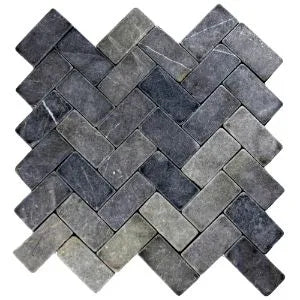
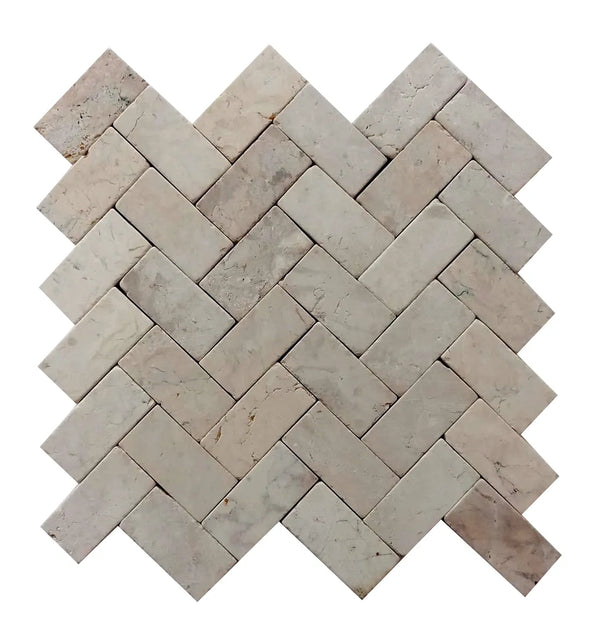
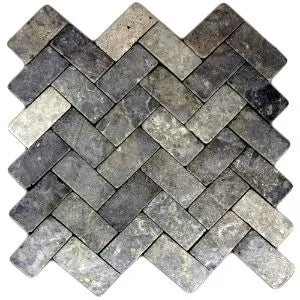
9. A Herringbone Stone Floor That Adds Movement, Not Noise
Herringbone gives a floor direction and rhythm. Done in a soft, tone-on-tone stone, it adds interest without demanding attention, which is exactly what a restful bathroom wants.
- Why it feels like a spa: the pattern guides the eye gently across the room, and the stone adds natural warmth.
- How to do it: choose a stone mosaic in a single family of tones and run the herringbone in the direction of the longest wall to make the room feel longer. Keep walls plain.
- Watch for: a busy pattern next to a busy wall tile creates visual noise. Our herringbone tile pattern guide covers layout details.
HERRINGBONE STONE MOSAICS
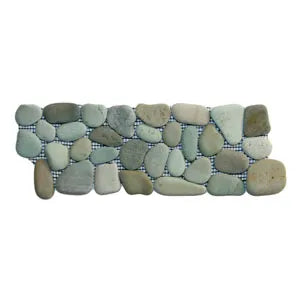
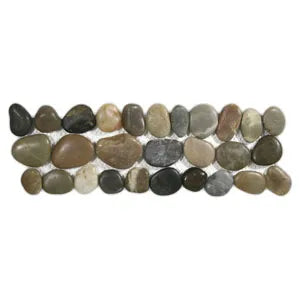
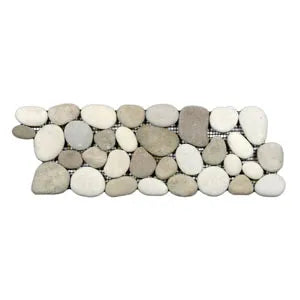
10. A Pebble Border That Frames the Tub or Shower Zone
A narrow band of pebble tile works like a rug under a bed. It defines a zone, such as the area around a freestanding tub or the threshold of a walk-in shower, and adds natural texture without covering the whole floor.
- Why it feels like a spa: it adds a handmade detail, and it gives the room a sense of arrival at the water.
- How to do it: pick a border color that appears somewhere else in the room, like the vanity top or the wall tile. Keep the border width consistent and align it with the edges of the fixtures.
- Watch for: thickness differences between border and field tile need to be leveled during installation. Our guide to choosing pebble tile borders explains how.
PEBBLE TILE BORDERS
Walls and Focal Points: Ideas 11 to 15
A spa bathroom usually has one wall that you notice first. These five ideas turn a wall into a quiet focal point without overwhelming the room.
11. A Pearl Shell Wall Behind the Tub
A tub wall is the right place for a showpiece, because you look at it for long stretches. Pearl shell tile reflects soft light, so a few candles or a warm light turn the whole wall into a gentle glow.
- Why it feels like a spa: the shimmer is subtle and calm, closer to the inside of a shell than to a mirror.
- How to do it: use pearl shell on the wall behind and beside the tub, then keep the other walls simple. Choose warm, dimmable lighting that grazes the wall surface.
- Watch for: splashes and soap can dull any delicate surface. Wipe the wall after baths and use gentle cleaners. Our mother of pearl tile guide has care tips.
PEARL SHELL FEATURE WALLS
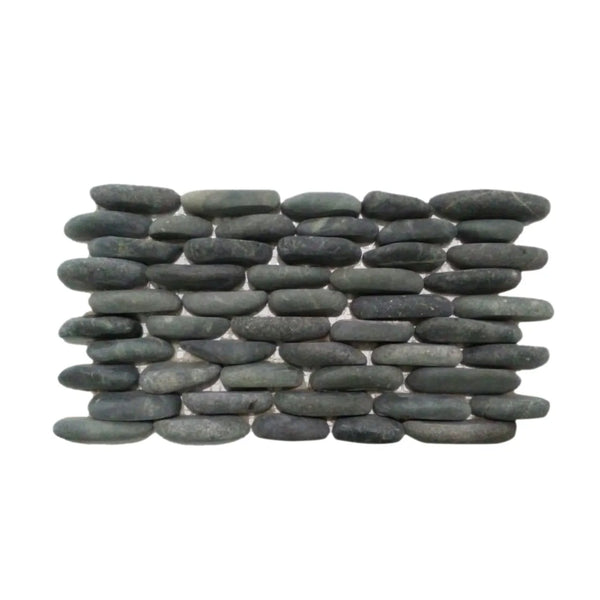
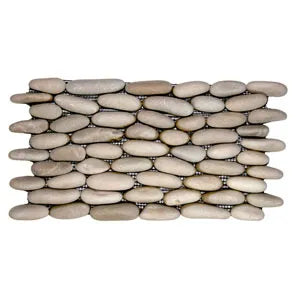
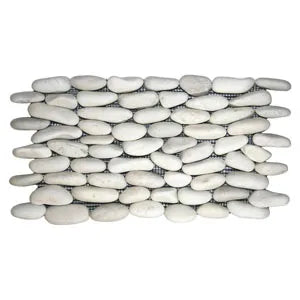
12. A Standing Pebble Feature Wall
Standing pebble tile sets the stones on edge, so the wall becomes a sculpted surface instead of a flat one. In a bathroom, it makes a dramatic backdrop behind a vanity or a freestanding tub.
- Why it feels like a spa: the shadows between the stones change through the day, so the wall never looks the same twice.
- How to do it: use it on one dry or lightly splashed wall, not inside the shower, and wash it with a soft brush. Warm side lighting shows off the relief.
- Watch for: dust and water spots collect in the texture, so keep the wall away from heavy splash zones. Our standing pebble tile guide shows more uses.
STANDING PEBBLE FEATURE WALLS
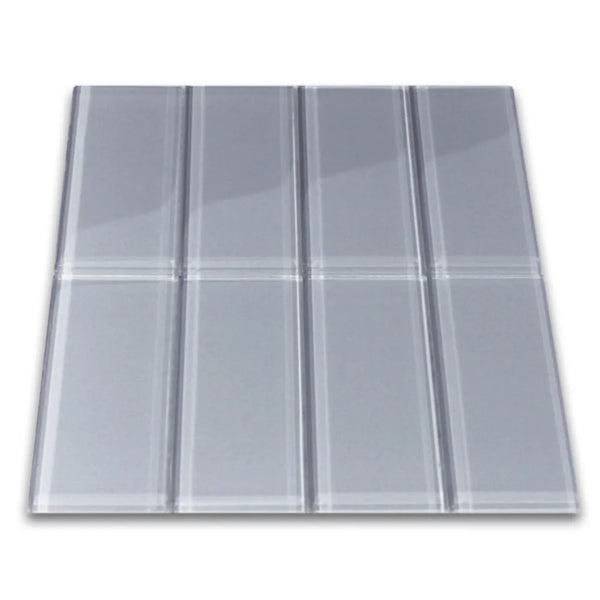
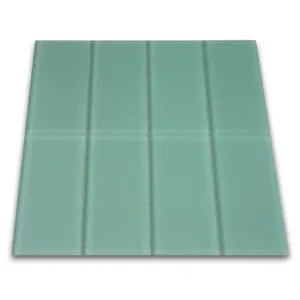
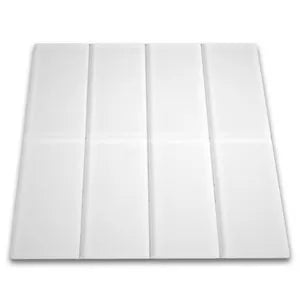
13. Glass Subway Tile in a Soft Color, Paired With a Pebble Floor
Glass tile is easy to wipe, reflects light, and never needs sealing. In a soft, frosted color, it makes a shower or tub wall feel fresh and clean. Pair it with a pebble floor and you get light above and earth below.
- Why it feels like a spa: frosted glass in aqua, sage, or white feels like sea glass, and it brightens a room that gets little daylight.
- How to do it: run the glass tile to the ceiling in the shower so the whole space glows, and let the pebble floor ground it. Use a light grout color that is close to the tile.
- Watch for: glass needs the right adhesive and a careful installer, because the setting bed can show through. Read our glass mosaic tile guide before you plan the installation.
SOFT GLASS SUBWAY TILE
14. A Half-Height Stone Wainscot With Soft Paint Above
Tiling a bathroom wall to the ceiling is not always necessary or even desirable. A stone mosaic wainscot, tiled to about vanity height or a little above, protects the wall where splashes happen, and paint above softens the room and keeps the budget under control.
- Why it feels like a spa: the tile grounds the room, and the painted upper wall feels airy, a bit like a calm hotel suite.
- How to do it: end the tile with a neat trim or a row of a different tile, and use paint made for bathrooms above it. Choose a paint color that appears in the tile veining so the two feel related.
- Watch for: keep full-height tile in the shower and around the tub, where water actually reaches. For more stone ideas, our marble tile bathroom ideas show patterns and color schemes.
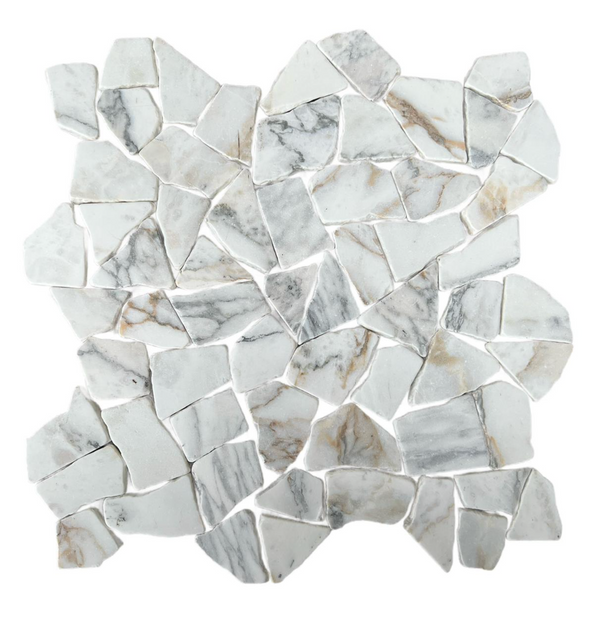
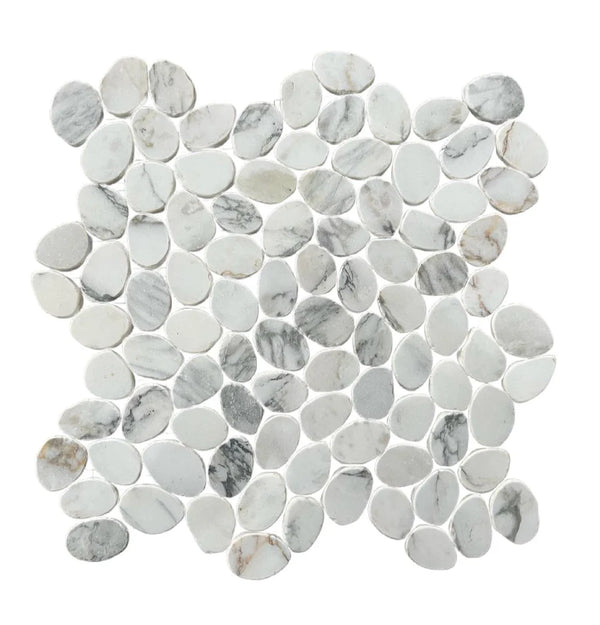
15. A Calacatta Marble Mosaic Wall Behind the Vanity
The vanity wall is where you get ready every day, so it deserves a surface you enjoy looking at. Calacatta marble mosaic brings white and soft gray veining that reads as clean and calm, and it reflects the vanity lighting beautifully.
- Why it feels like a spa: light stone with gentle veining is quiet and timeless, and it pairs with almost any vanity finish.
- How to do it: run the mosaic from the countertop to at least the height of the mirror, or all the way to the ceiling for a stronger statement. Wrap it around the mirror edges for a framed look.
- Watch for: marble etches with acidic products, so keep toothpaste, perfume, and certain cleaners off the surface or wipe them up quickly. Seal the stone.
CALACATTA MARBLE MOSAICS
Tubs, Benches, and Details: Ideas 16 to 20
These five ideas deal with the smaller moments of a primary bathroom: where you step out of the tub, where you sit, and where you reach for a towel.
16. A Freestanding Tub on a Pebble Mat
A freestanding tub looks like a piece of furniture, and a pebble tile area beneath it makes it feel like it belongs on a natural platform. The tub becomes the center of the room instead of an afterthought pushed against a wall.
- Why it feels like a spa: the stones suggest a riverbank, and stepping out of the tub onto a textured, warm surface feels intentional.
- How to do it: set a rectangle of pebble or mini pebble tile under and around the tub, bordered by a field of simple tile. Use a small-format stone for easier curves and fine edges.
- Watch for: water splashes out of tubs, so seal the stone and plan the floor drainage and waterproofing for that zone. Make sure the floor can bear the weight of a full tub; your contractor will confirm.
MINI AND POLISHED PEBBLES FOR A TUB ZONE
17. A Built-In Shower Bench in Warm Stone
A bench in the shower is a gift on a long day, and it is also practical for shaving, washing hair, and aging in place. Tiled in warm stone, it feels like part of the architecture, not an add-on.
- Why it feels like a spa: sitting down in a warm, stone-clad shower is the closest thing to a steam room bench you can build at home.
- How to do it: seat heights of roughly 17 to 19 inches are common. Tile the bench in the same stone as the floor or the walls, and pitch the top very slightly so water drains off.
- Watch for: benches need the same waterproofing as the rest of the shower, and the corners need extra attention. Choose a smooth, comfortable tile for the seat.
WARM TAN STONE OPTIONS
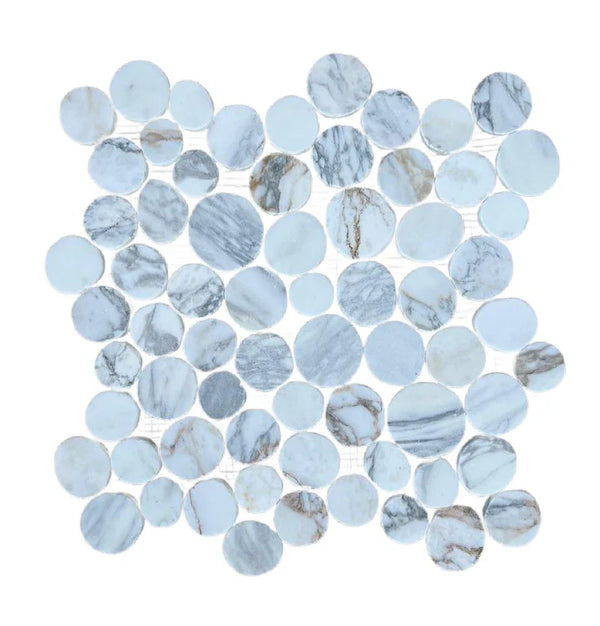
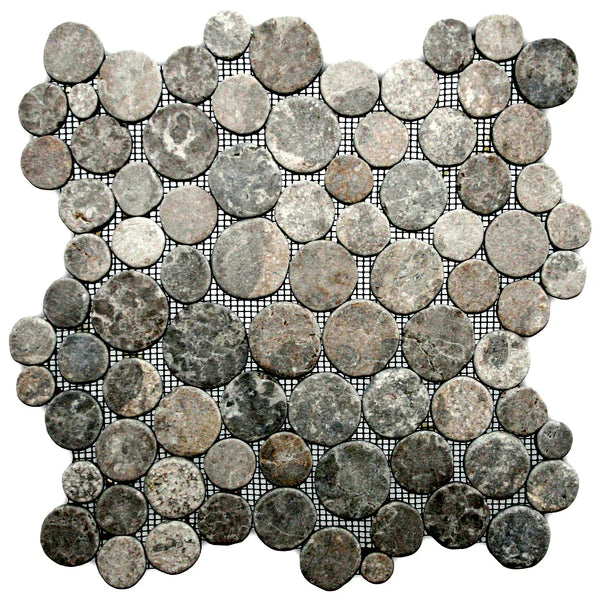
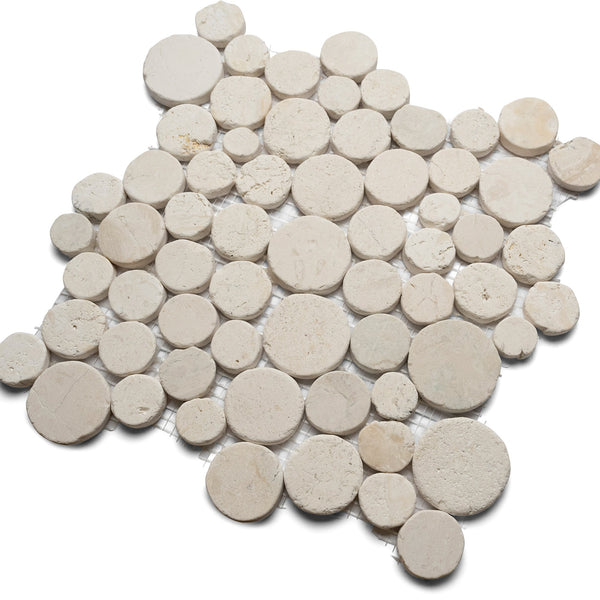
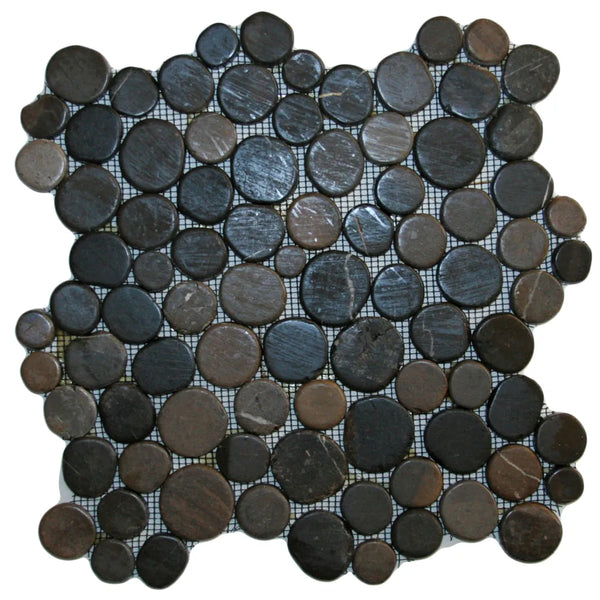
18. A Vanity Backsplash in Soft Moon Mosaic
A bathroom backsplash does not have to be plain. A moon mosaic in soft gray or white, with its gently rounded shapes, adds subtle pattern and wipes clean after toothpaste and makeup splashes.
- Why it feels like a spa: the rounded shapes feel soft and the neutral colors stay calm, which keeps the vanity area from feeling cluttered.
- How to do it: choose a mosaic that is close in tone to the countertop, and run it to the underside of the mirror or the ceiling. Use a grout color within one or two shades of the tile.
- Watch for: keep the backsplash height consistent with the window and mirror lines. A few more inches of tile can make a big difference to how finished the room feels.
MOON MOSAICS FOR THE VANITY WALL
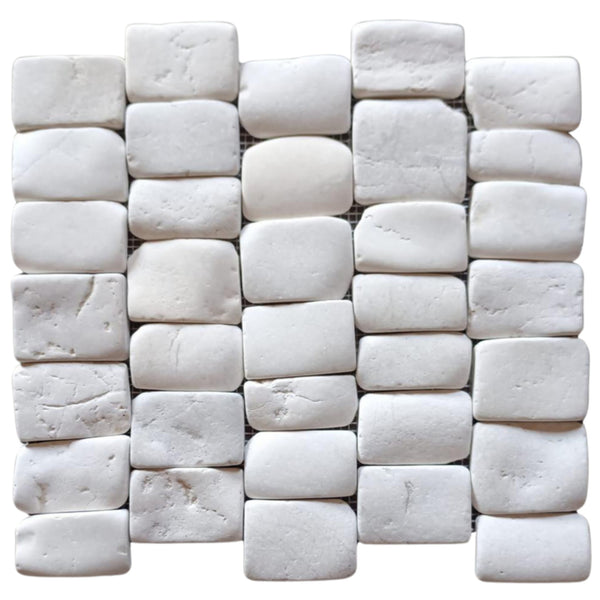
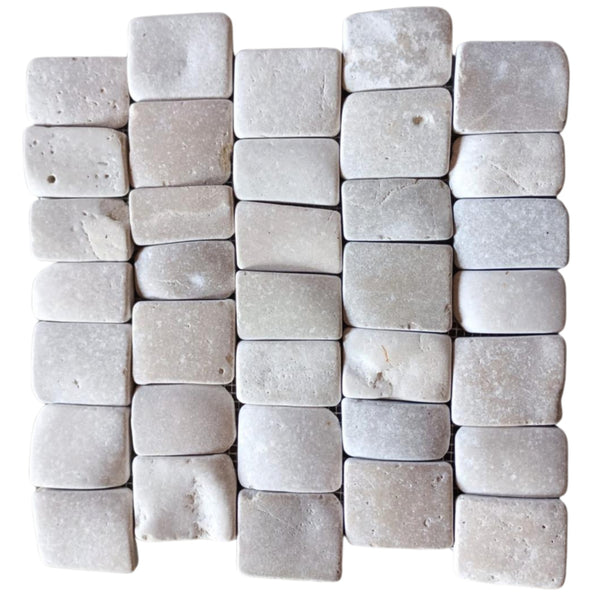
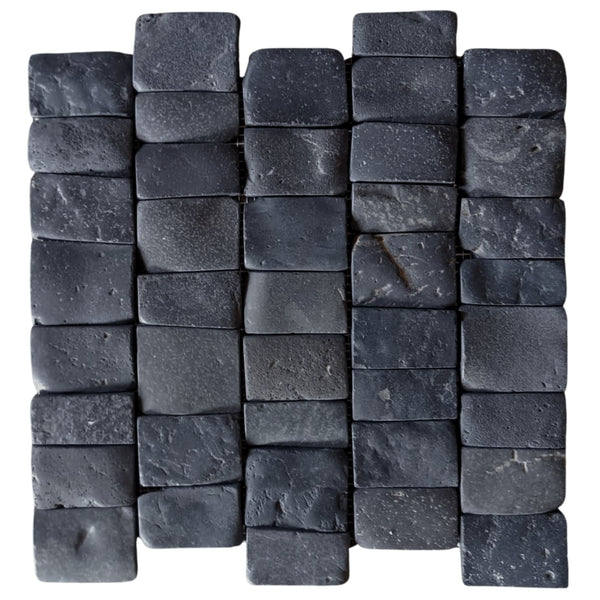
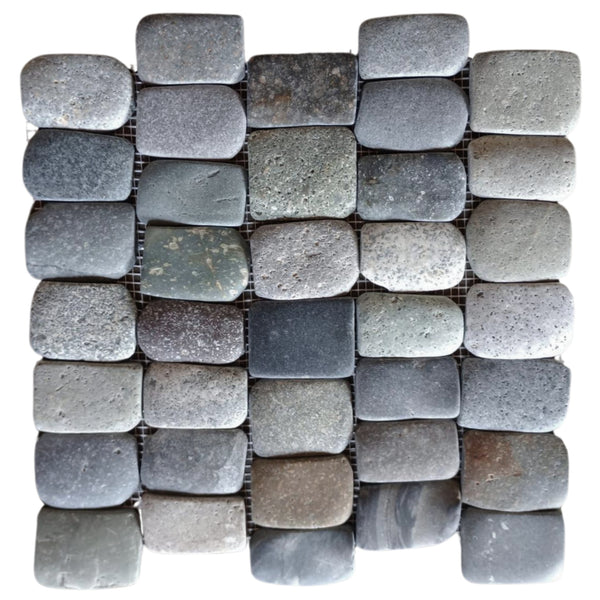
19. A Robe and Towel Nook With Pebble Wall Strips
Not every spa moment happens in water. A small nook where your robe, towels, and a stool wait for you makes the whole routine feel cared for. Pebble wall strips give that area a handmade, textured backdrop.
- Why it feels like a spa: a defined place for your robe and towels is a hotel detail, and a natural-stone backdrop makes it feel considered.
- How to do it: choose a strip that echoes the stones in your shower floor, and mount hooks or a shelf nearby. Check each product page for size and installation details before you plan the wall.
- Watch for: keep the nook outside the direct splash zone, and give the wall a gentle wipe now and then so dust does not settle in the texture.
PEBBLE WALL STRIP OPTIONS
20. A Courtyard Shower Off the Primary Suite
If your home allows an outdoor shower or a private courtyard off the bedroom, a pebble floor there brings the spa feeling outside. Natural stone is at home in a garden, and the textured surface offers grip underfoot.
- Why it feels like a spa: showering under open sky is a luxury most hotels charge extra for.
- How to do it: choose stones in earth tones that blend with the landscape. Plan drainage first, and slope the floor away from the house.
- Watch for: outdoor installations need materials rated for your climate, especially where it freezes. Check local code and read our guide on using pebble tile outdoors.
PEBBLE OPTIONS FOR AN OUTDOOR SHOWER
Palettes That Set the Mood: Ideas 21 to 25
The last five ideas are about the whole picture. Each one is a palette you can build around, using the earlier ideas as building blocks.
21. The Warm Earth Palette
Tans, creams, and soft browns make a bathroom feel like a sunlit stone house. This palette is forgiving, because natural variation hides water spots and small scuffs.
- Build it: a tan and white pebble shower floor, cream herringbone stone on the main floor, and a tan border to connect the two.
- Add: warm wood, linen towels, and warm white light bulbs.
- Skip: cool blue-gray fixtures, which fight the warmth.
WARM EARTH PALETTE
22. The Cool Coastal Calm Palette
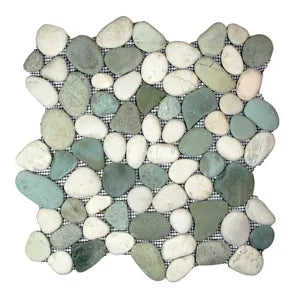
Sea greens, soft blues, and white recall a quiet shoreline. It is a refreshing palette for a bathroom that gets plenty of daylight, and it pairs well with brushed nickel fixtures.
- Build it: a sea green and white pebble floor, frosted ocean glass on the shower walls, and white towels.
- Add: plants that like humidity and woven baskets.
- Skip: too many shades of blue, which can turn a coastal look into a theme.
COOL COASTAL PALETTE
23. The Black and White Modern Spa
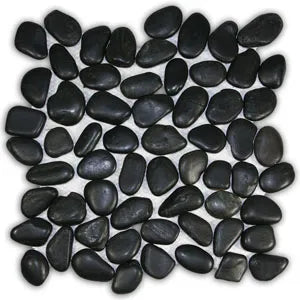
Black and white can feel stark, but when the black is natural stone with a matte texture, it feels earthy and sophisticated instead. The key is to let texture soften the contrast.
- Build it: a charcoal black pebble shower floor, white pebble accents or a white wall, and a dark gray hexagon marble on the main floor.
- Add: a wood vanity, matte black or brushed brass fixtures, and plenty of warm light.
- Skip: glossy surfaces everywhere, which show every drop and fingerprint. Our black tile bathroom guide covers finishes in depth.
BLACK AND WHITE PALETTE
24. The Japandi Quiet Palette
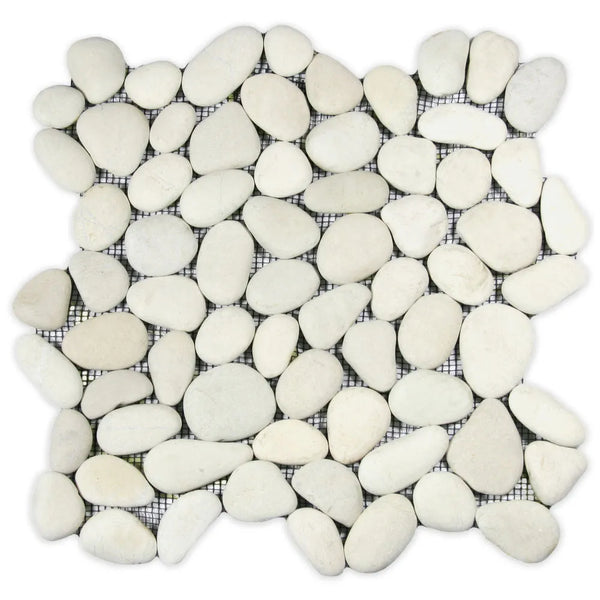
Japandi blends Japanese and Scandinavian design: pale woods, soft whites, clean lines, and natural materials with a lived-in feel. In a bathroom, it means restraint, and it is easy to get right with tile.
- Build it: a white pebble shower floor, a white standing pebble feature wall, and plain light walls.
- Add: a pale wood stool, a simple mirror, and one plant.
- Skip: decorative extras. In this style, the empty space is part of the design.
JAPANDI-STYLE WHITES
25. The Dark, Moody Spa
A dark bathroom can feel cocooning when the lighting is right. Think of a candlelit steam room rather than a cave. Dark stone, warm light, and plenty of texture keep it welcoming.
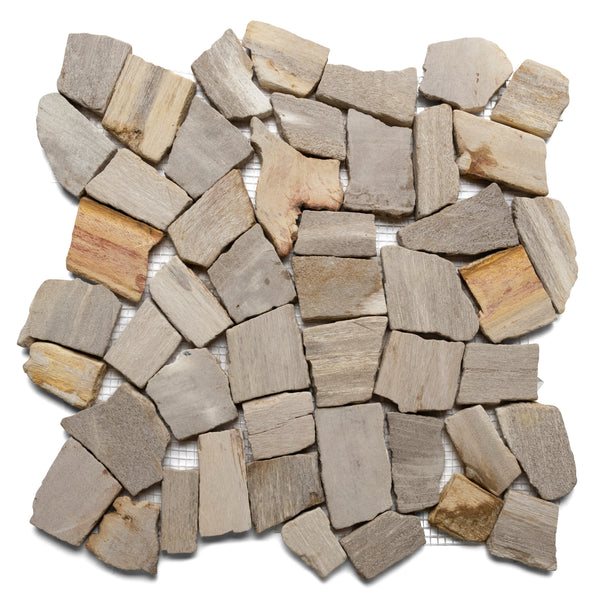
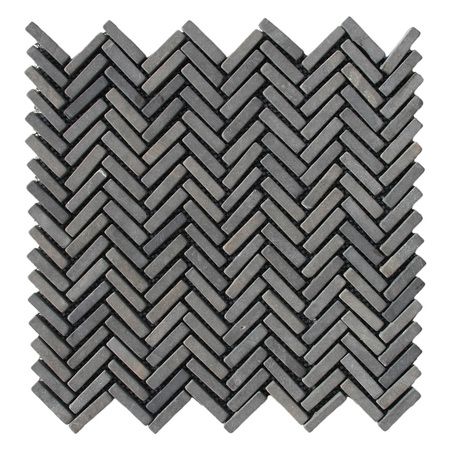
- Build it: a black chevron stone mosaic on the walls, a charcoal black pebble floor, and a petrified wood mosaic accent in the niche.
- Add: layered lighting on dimmers, a mirror with a warm glow, and white towels for contrast.
- Skip: a single overhead light. Dark rooms need light at several heights.
DARK AND MOODY PALETTE
Master Bathroom Layout Ideas and How Tile Supports Them
Layout decides where tile does its work. The same materials behave differently depending on how the room is arranged, so use this table to match your layout to a tile strategy.
Small Master Bathroom Ideas That Still Feel Like a Spa
A small primary bathroom can feel more restful than a large one, because everything is within reach. The trick is to avoid clutter and visual breaks.
- Limit your palette to two tones. Fewer colors make a small room feel larger.
- Choose one focal surface. A pebble shower floor or a single pearl niche is enough.
- Take glass tile to the ceiling. It reflects light and draws the eye up.
- Keep the floor continuous. Running the same flooring into the shower removes visual lines.
- Use small formats in the shower. Mosaics and pebbles suit tight curves and slopes.
- Skip busy patterns on large areas. Save pattern for a small accent such as a border or a niche.
Master Bathroom Design Directions Worth Knowing Right Now
Across recent design coverage, the same themes keep appearing in primary bathrooms, and almost all of them point toward calmer, warmer, and more tactile rooms.
- Natural stone textures: pebble, stone mosaic, and honed marble bring organic variation that flat, uniform tile cannot.
- Earth tones: warm neutrals, soft greens, and muted blues replace stark white and bright accents.
- Curbless and walk-in showers: easier to use, and they make rooms feel open.
- Radiant heat: once a luxury, now a common request in cold climates.
- Layered, dimmable lighting: several soft sources instead of one bright ceiling light.
- Fewer, better materials: two or three well-chosen surfaces instead of a collage.
How to Combine These Ideas Without Overdoing It
Twenty-five ideas can turn into a design disaster if you try to use them all. The most restful bathrooms follow a simple rule: one hero, one supporting texture, and everything else quiet. Many designers describe this as the 60-30-10 rule, with about 60 percent of the room in a calm base color, 30 percent in a secondary tone, and 10 percent as the accent that gets noticed.
Whichever path you take, repeat at least one material or color in two places. A pebble border that echoes the shower floor, or a vanity backsplash that matches the veining in your marble floor, makes the whole room feel planned.
Where to Splurge and Where to Save
A spa feeling does not require every surface to be expensive. Put money where it changes how the room works and feels, and save where nobody will notice. Our pebble tile cost guide breaks down real project budgets in detail.
Common Master Bathroom Tile Mistakes to Avoid
- Skipping or rushing waterproofing. It is invisible and it is the most expensive mistake to fix later.
- Choosing tile only from a screen. Colors shift in real light. Order samples and test them in your room.
- Forgetting slip resistance. A beautiful, smooth floor is a hazard when wet.
- Using too many patterns. One pattern is enough. Let the other surfaces be quiet.
- Ignoring grout. Grout color and sealing change the look and the upkeep. Take it as seriously as the tile.
- Not sealing natural stone. Unsealed stone stains and darkens over time.
- Underestimating cleaning. More grout lines mean more cleaning, so use small formats where you want texture and larger ones where you want ease.
- Skipping ventilation. A good fan protects everything else you paid for.
- Ordering exactly what you measured. Order 10 to 15 percent extra to cover cuts and future repairs.
- Making every decision at once. Settle the shower and floor first. Details follow more easily afterward.
How to Care for a Spa-Style Bathroom So It Stays That Way
A spa feeling lasts when care is easy. Build a simple routine around the materials you chose, and the room keeps looking the way it did the day it was finished.
For cleaning products and methods, see our guides to cleaning shower tiles and the best grout cleaners. We also carry sealers made for natural stone.
SEALERS FOR NATURAL STONE AND GROUT
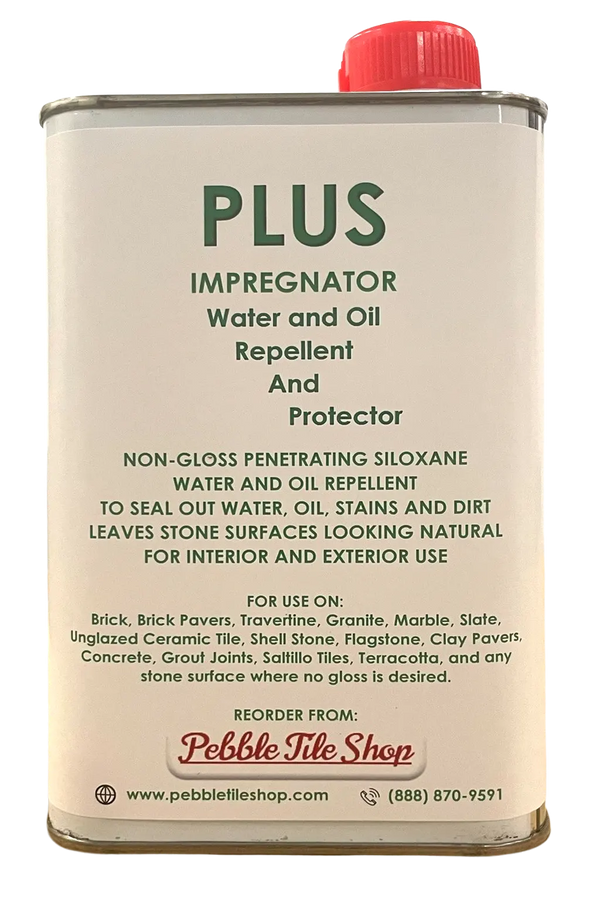
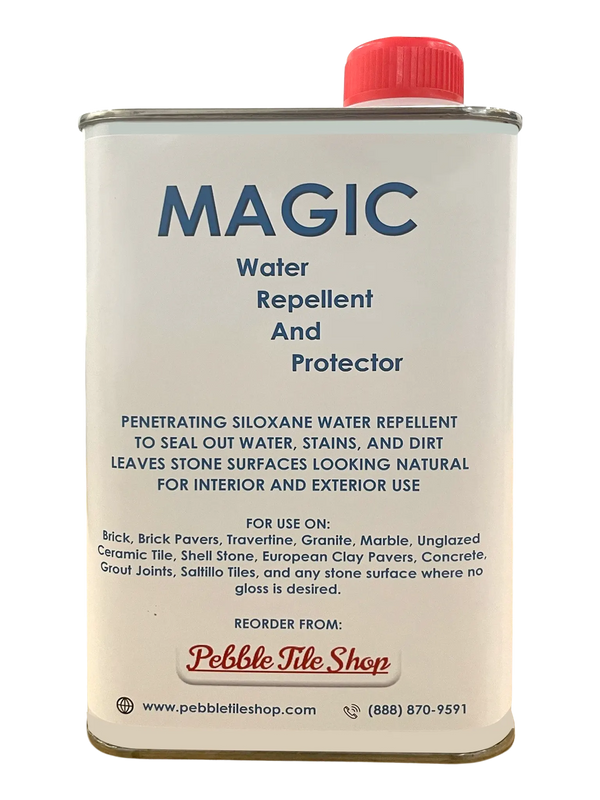
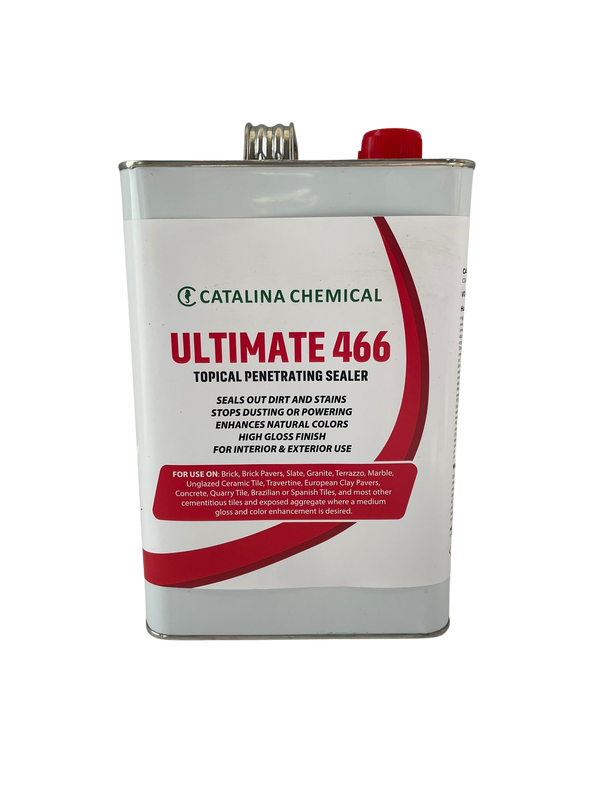
Check each product page for the surfaces it is intended for and the application directions before you buy.
Your Master Bathroom Tile Planning Checklist
- Decide what you want the room to do: quick showers, long baths, or both.
- Choose your hero feature: the shower floor, a tub wall, or a feature wall.
- Pick a quiet palette of two or three tones.
- Order samples and test them in your real light, wet and dry.
- Ask your contractor about waterproofing, slope, and substrate before you finalize the tile.
- Check slip resistance for floor tile and plan the grout and sealer.
- Decide on radiant heat and a ventilation fan early, since both affect the build.
- Calculate square footage and add 10 to 15 percent for waste.
- Schedule delivery before the installer starts, and let tile acclimate if recommended.
- Plan your care routine and your first resealing date.
PRO TIP: PHOTOGRAPH THE WALLS BEFORE THEY CLOSE
Take photos of your pipes, valves, and waterproofing before the tile goes on. If you ever need to fix something, you will know exactly where to look.
KEY TAKEAWAYS
- A spa bathroom comes from warmth, texture, soft light, quiet color, and easy care, not from any one style
- Waterproofing, slope, slip resistance, and ventilation come first, and decoration comes second
- Spend on the shower floor and one focal surface, and keep everything else simple
- Pebble and stone mosaics follow slopes, add traction, and look natural, but they need sealing and a care routine
- Pearl shell and glass bring light, and they work best on walls
- Test samples in your real room, wet and dry, before you order
Frequently Asked Questions About Master Bathroom Ideas
What are the best master bathroom ideas for a spa feel?
The best ideas use warm, textured natural materials, quiet colors, and soft light. A pebble tile shower floor, heated floors, a pearl shell or glass focal wall, and a palette of two or three tones create that feeling in rooms of almost any size. Waterproofing and ventilation keep it working long term.
What is the best tile for a master bathroom floor?
Natural stone mosaics, such as hexagon or penny round marble, and sliced pebble tile are popular for a warm, natural look. Porcelain with a wet DCOF of 0.42 or higher is another dependable choice. The best floor is warm enough, grippy when wet, and easy for you to keep clean.
Is pebble tile good for a master bathroom shower floor?
Yes, it is one of the most common choices for shower floors. The small stones follow the slope to the drain, and the grout lines add traction. It needs sealing and regular cleaning, and some people find the texture bumpy, so try a sample barefoot first.
Is pebble tile slippery?
Pebble tile is generally less slippery than large smooth tile because the irregular surface and many grout lines create traction. Smoother, polished or sliced pebbles can be less grippy when wet, so check the product details and keep grout joints properly filled.
What colors make a bathroom feel like a spa?
Soft neutrals, warm earth tones, muted greens, and gentle blues are the most common. Low contrast and fewer colors help the room feel calm. Texture and natural materials matter as much as color.
Do heated floors work with natural stone tile?
Yes, electric radiant mats are commonly installed under stone and tile. Use a thermostat with a floor sensor and confirm with the heating mat manufacturer and your installer that your tile and setting materials are compatible.
How do I keep a spa bathroom from getting moldy?
Ventilate well with an exhaust fan that vents outdoors, run it during and after showers, and squeegee wet surfaces. Seal natural stone and grout, fix cracked grout quickly, and clean on a regular schedule.
Should I choose a walk-in shower or a bathtub in a master bathroom?
If space and budget allow, many homeowners include both: a walk-in shower for daily use and a tub for soaking. If you must choose one, think about how you actually bathe. A shower-only design usually makes a small room feel more open.
How much does it cost to remodel a master bathroom?
Costs vary widely with size, location, and scope. Tile is often a smaller share of the total than labor, plumbing, and waterproofing. For pebble tile pricing, see our cost guide, and get at least three written quotes from local contractors before you decide.
How do I make a small master bathroom feel like a spa?
Limit the palette to two tones, choose one focal surface, take glass tile to the ceiling, and keep the floor continuous. Use small-format mosaics in the shower, and keep patterns for a small accent.
How often should I seal pebble tile?
Seal natural stone before and after grouting. Many homeowners reseal showers about once a year, but the right schedule depends on your sealer and how much water the area sees. Test with a few drops of water, and reseal when they stop beading.
Is it master bathroom or primary bathroom?
Both terms mean the same room, the main bathroom attached to the principal bedroom. Many designers and builders now say primary bathroom or primary suite, while master bathroom is still widely searched and understood.
Conclusion: Start With the Surface You Feel Every Morning
A master bathroom that feels like a spa is not about the biggest tub or the most expensive marble. It is about the small, daily moments: warm stone under your feet, soft light in the evening, a shower that is easy to use, and a room you can keep calm without effort. Tile touches every one of those moments, which is why it deserves careful thought.
Start with the fundamentals, waterproofing, slope, slip resistance, and ventilation. Then choose one hero feature, build a quiet palette, and test your samples in your own room. If you want natural stone to carry the room, a pebble shower floor, a stone mosaic, and a pearl shell or glass accent are a dependable place to begin.
Ready to plan yours? Browse pebble tile, explore pearl shell tile and stone mosaic tile, or order samples to see the colors in your own light.
Ready to build your spa-style bathroom? Browse our full pebble tile collection.
Shop Pebble TileSources and standards referenced: U.S. Centers for Disease Control and Prevention, Morbidity and Mortality Weekly Report, "Nonfatal Bathroom Injuries Among Persons Aged 15 Years and Older, United States, 2008" (2011). ANSI A137.1, American National Standard Specifications for Ceramic Tile (Tile Council of North America). Shower floor slope of about 1/4 inch per foot reflects common plumbing code requirements; check your local code and confirm details with a licensed contractor. Material and installation guidance is general, so follow each product's instructions and your installer's advice. Last updated October 2026.

Leave a comment
This site is protected by hCaptcha and the hCaptcha Privacy Policy and Terms of Service apply.