
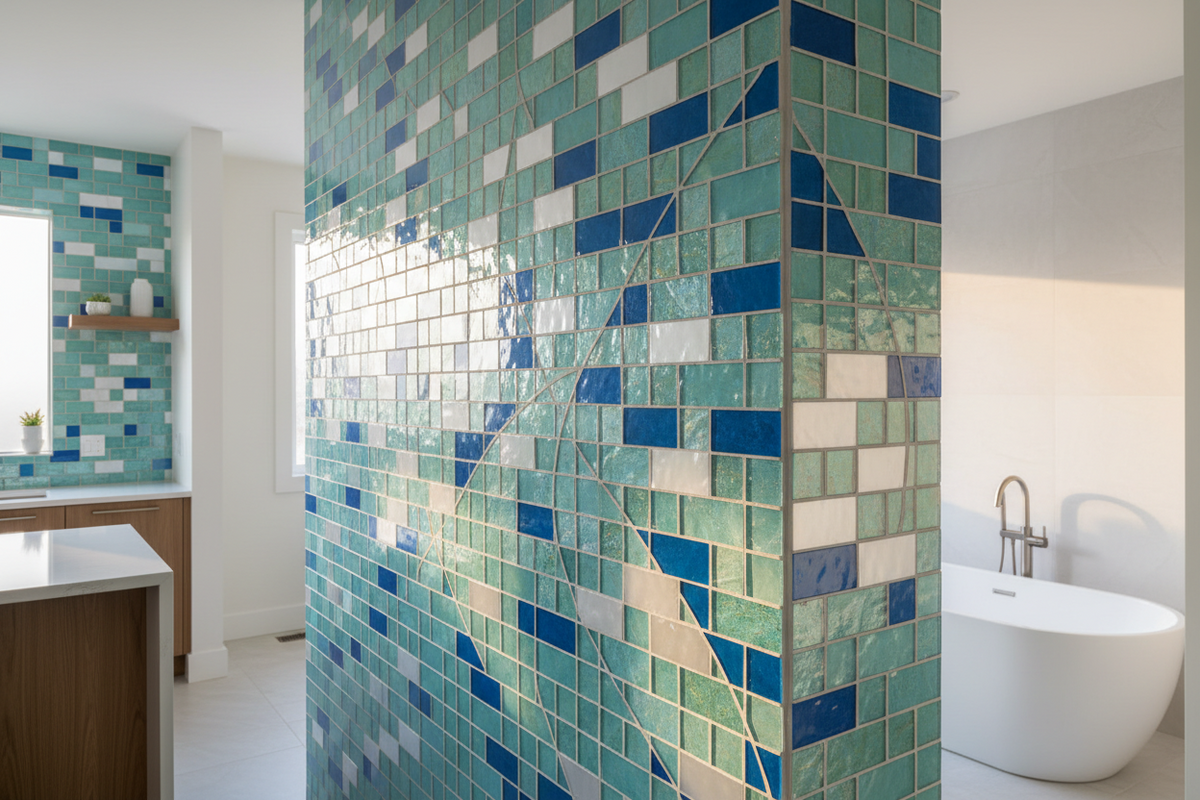
Glass mosaic tile is made of small glass pieces set into sheets, prized for kitchens and bathrooms because it reflects light, resists moisture almost completely, and wipes clean easily. It works best on backsplashes, shower walls, and accent walls, and is generally not recommended for floors due to its smooth, slip-prone surface.
Glass mosaic tile brings together color, reflection, and practical performance in a way that suits modern kitchens and baths especially well. It adds shine without feeling heavy, holds up in damp areas better than most porous materials, and comes in formats ranging from small individual mosaics to mesh-backed sheets that install in large sections. The right choice usually comes down to three things: where it's going, how much light the room gets, and whether you want a quiet backdrop or a feature that carries the room on its own.
This guide covers where glass mosaic tile performs best, how it compares to ceramic and natural stone mosaic, the styles worth knowing before you shop, installation and grout considerations specific to glass, and the cleaning routine that keeps it looking new for years instead of months.
Why Glass Mosaic Tile Is So Popular
Glass adds shine and makes rooms feel lighter and more open, which is the main reason it outperforms stone or ceramic in smaller kitchens and bathrooms that need visual lift. Compared with more matte materials, glass reads as cleaner and more reflective, and that reflectivity does real work in a room with limited natural light. Its non-porous surface is the other half of the appeal: glass resists moisture and staining far better than absorbent materials, which is exactly what a backsplash or shower wall needs to hold up to daily use without constant upkeep.
Glass Mosaic vs Ceramic vs Natural Stone Mosaic
Best Places to Use Glass Mosaic Tile
Kitchen Backsplash
GREAT FITProtects the wall while adding shine, and wipes clean of grease and splashes easily.
Bathroom Wall
GREAT FITBrightens a vanity wall and adds dimension without feeling heavy in a compact room.
Shower Surround
GREAT FITMoisture resistance and easy cleaning matter as much here as looks, and glass delivers both.
Feature or Accent Wall
GREAT FITA little shimmer in the right spot can carry the whole room without overdoing it.
Shower Floor
USE WITH CAREChoose a textured or matte glass finish if used here, since polished glass gets slippery wet.
Main Living Floor
NOT RECOMMENDEDStandard glass mosaic isn't rated for the impact and slip demands of a main walking floor.
Popular Glass Mosaic Styles to Shop
Most shoppers start with mesh-backed sheets because they simplify alignment and cover more area quickly than setting individual pieces by hand. Round glass tiles are a popular choice for softer, more decorative movement, while small-format mosaics create a tighter, more detailed surface with more grout lines and more visual texture per square foot.
Recycled glass options are worth a look too, since they often bring subtle color variation and a more sustainability-minded story to the project without sacrificing performance. For buyers exploring geometric looks, white hexagon beveled glass tile or cream hexagon beveled glass tile add a clean, modern edge that pairs well with both traditional and contemporary cabinetry.
For a more expressive wall or accent, styles like surf arabesque glass tile or surf hexagon beveled glass tile bring added shape and dimension without requiring a full room of pattern.
PRO TIP — ORDER A SAMPLE FIRST
Glass tile reads very differently under warm kitchen lighting versus cooler bathroom light, and photos rarely capture the true reflectivity. A physical sample held against your actual cabinets, countertop, or vanity settles the decision faster than scrolling through more photos.
Choosing the Right Look for Your Space
The best look starts with what's already in the room. Cabinet color, countertop pattern, fixtures, and lighting all affect how glass mosaic tile reads once installed. A glossy finish tends to work best in darker spaces or wherever extra brightness is welcome, while a subtler, more frosted finish feels more balanced in a room that already gets a lot of natural light and reflection. Grout line width and color also matter more with glass than with most materials, since the grout stays visible through and around a translucent or semi-translucent tile in a way it doesn't with opaque ceramic.
Installation Basics for Glass Mosaic Sheets
Most mosaics arrive in pre-set sheets, which keeps spacing consistent and speeds up installation considerably compared to placing individual pieces. Even so, the final result depends on the right adhesive, steady layout lines, and consistent spacing between sheets, since any drift compounds visibly across a wall of small tile. Translucent or semi-translucent glass tile also needs a well-prepared, evenly colored substrate, since shadows or discoloration underneath can show through once the tile is installed, something that never happens with opaque ceramic or stone.
Always use unsanded grout on glass mosaic tile. The sand particles in sanded grout can permanently scratch the glass surface during application, and that damage can't be polished out afterward. If you're new to this decision, our sanded vs unsanded grout guide covers it in full.
How to Clean and Maintain Glass Mosaic Tile
Daily upkeep is simple: warm water and a soft cloth handle light soil and fingerprints without any special product. For deeper cleaning, a pH-neutral cleaner is the safer choice, since it clears buildup without dulling the glass finish over repeated use. Abrasive pads, scouring powders, and harsh chemical cleaners can scratch glass or leave it looking cloudy over time, and unlike a scuff on ceramic, that kind of surface damage on glass is permanent.
- Compare sheet coverage so you know how many sheets a given project actually needs, not just the per-sheet price.
- Check the finish — glossy, frosted, or textured — against your room's lighting before ordering in volume.
- Confirm wet-area suitability in the product details if the tile is going in a shower or other constantly wet space.
- Order a sample and view it in the actual room at different times of day before committing.
- Plan your grout alongside the tile, not as an afterthought, since unsanded grout is required for most glass mosaic installations.
Frequently Asked Questions
Is glass mosaic tile good for a shower?
Yes. Glass mosaic tile is non-porous and highly moisture resistant, making it well suited to shower walls and surrounds. For shower floors specifically, choose a textured or matte glass finish rather than a high-gloss one to reduce slipperiness.
Does glass mosaic tile scratch easily?
Glass resists everyday wear well, but it's vulnerable to abrasive tools and cleaning products. Avoid scouring pads, abrasive powders, and sanded grout, all of which can leave permanent marks on the surface.
Can glass mosaic tile be used on floors?
Standard glass mosaic tile is generally not recommended for main living area floors due to slip risk and impact sensitivity. It can work on shower floors if a textured, slip-resistant glass finish is used rather than a polished one.
What grout should I use with glass mosaic tile?
Unsanded grout is the standard choice for glass mosaic tile. It won't scratch the glass surface during application the way sanded grout can, and glass mosaic joints are typically narrow enough that unsanded grout is the appropriate width match as well.
How do you clean glass mosaic tile?
Warm water and a soft cloth handle daily cleaning. For deeper cleaning, use a pH-neutral cleaner rather than abrasive powders or scouring pads, which can scratch or dull the glass surface permanently.
Is glass mosaic tile more expensive than ceramic mosaic?
Glass mosaic tile generally costs more per square foot than standard ceramic mosaic, reflecting its higher light reflectivity and non-porous performance. The price gap varies significantly by style, with recycled glass and simple mesh sheets often priced closer to ceramic than specialty finishes.
Conclusion
The strongest glass mosaic tile choice is the one that fits your room, your lighting, and how much upkeep you actually want to do, not just the photo that caught your eye online. Comparing sheet format, finish, and installation area narrows the field quickly, and a physical sample almost always settles the final decision faster than more browsing.
If you're ready to look at options, Pebble Tile Shop carries a full range of glass mosaic styles for kitchens, bathrooms, and accent walls, with samples available before you commit to a full order.
Ready to brighten your kitchen or bath? Browse our full glass tile collection.
Shop Glass Tile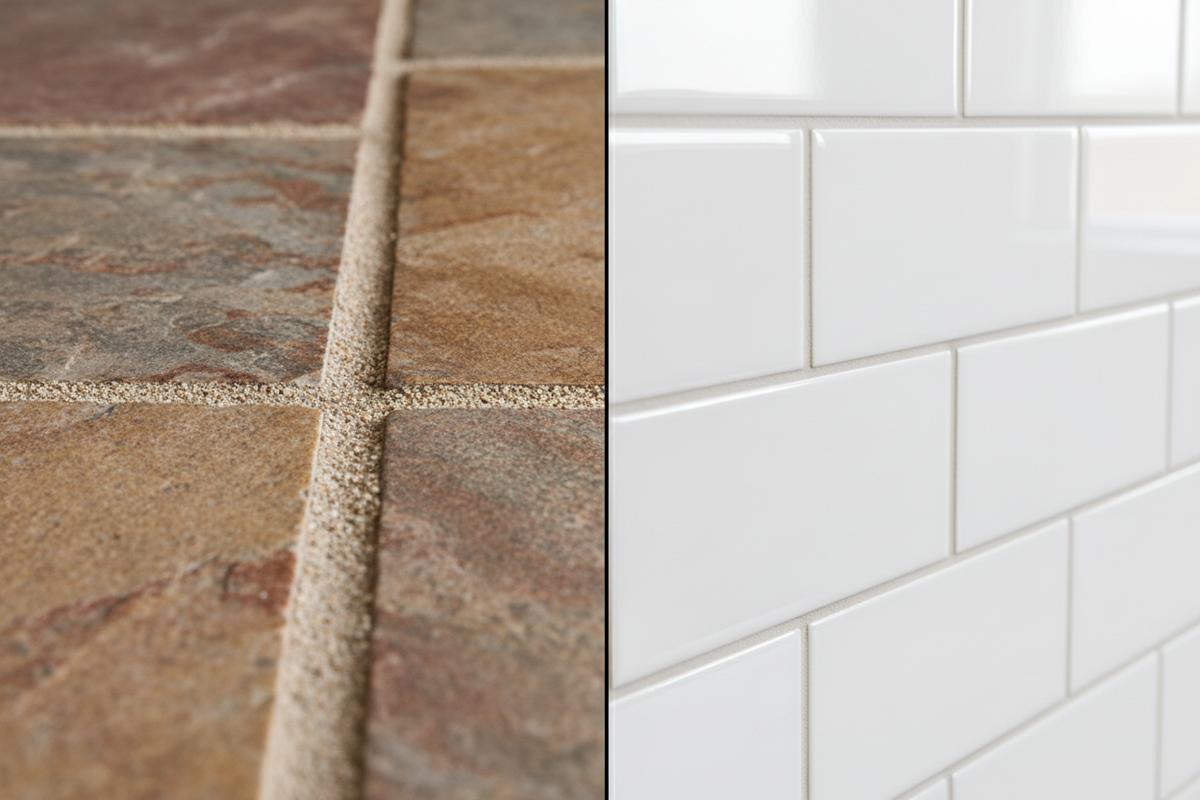

Leave a comment
This site is protected by hCaptcha and the hCaptcha Privacy Policy and Terms of Service apply.