
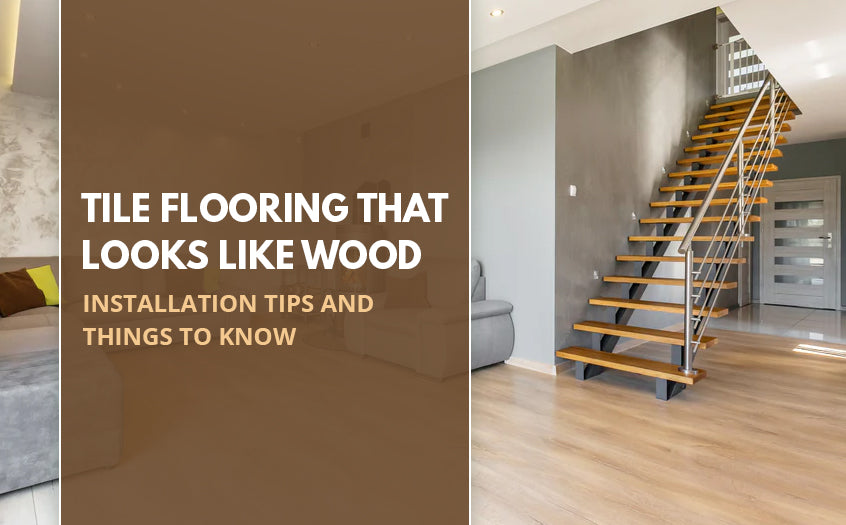
Wood floors have always carried a sense of warmth, comfort, and timeless appeal. But for many homeowners, real hardwood comes with practical concerns—water damage, scratches, regular maintenance, and higher long-term costs. This is exactly why tile flooring that looks like wood has become one of the most popular flooring choices in modern homes.
Wood-look tile offers the beauty of natural timber with the durability and performance of tile. Whether you’re renovating a bathroom, upgrading a kitchen, or designing a whole-home flooring plan, this guide walks you through everything you need to know—from installation tips to design considerations—so you can make an informed, confident decision.
What Is Tile Flooring That Looks Like Wood?
Tile flooring that looks like wood is typically made from porcelain or ceramic and designed to replicate the appearance of real hardwood planks. Thanks to advanced printing technology and textured finishes, these tiles capture natural wood grain patterns, knots, and color variations with impressive realism.
Unlike traditional square tiles, wood-look tile usually comes in plank shapes, mimicking the proportions of hardwood boards. At first glance—and often even up close—it can be difficult to tell the difference between tile and real wood.
This type of flooring is especially popular in areas where homeowners want the warmth of wood but need better resistance to moisture, temperature changes, or heavy foot traffic.
- Kitchens and dining areas
- Bathrooms and powder rooms
- Living rooms and open-plan spaces
- Basements and entryways
Tile Flooring That Looks Like Wood vs Real Hardwood
Choosing between wood-look tile and real hardwood often comes down to lifestyle, location, and long-term expectations. While hardwood has undeniable charm, tile flooring that looks like wood offers several practical advantages.
Water Resistance
Hardwood and water don’t mix well. Spills, humidity, and moisture can lead to warping or staining. Wood-look tile, on the other hand, is highly water-resistant, making it suitable for kitchens, bathrooms, and basements.
Durability
Tile is far more resistant to scratches, dents, and wear than wood. This makes it ideal for homes with pets, children, or high foot traffic.
Maintenance
Hardwood requires regular sealing, polishing, and careful cleaning. Wood-look tile needs only simple sweeping and occasional mopping to maintain its appearance.
Long-Term Value
While hardwood can boost resale value, wood-look tile offers excellent longevity with fewer repairs, making it a cost-effective option over time.
Pros and Cons of Tile Flooring That Looks Like Wood
No flooring option is perfect for every situation. Understanding both benefits and limitations helps set realistic expectations.
Pros
- Excellent resistance to moisture and humidity
- Highly durable and scratch-resistant
- Works well with radiant floor heating
- Fade-resistant and color-stable over time
- Suitable for indoor and some outdoor applications
Cons
- Feels colder underfoot than real wood
- Harder surface may feel less forgiving
- Installation is more complex than floating floors
Where Wood-Look Tile Works Best in the Home
One of the biggest advantages of tile flooring that looks like wood is its versatility across different rooms.
Bathrooms
Wood-look tile is ideal for bathrooms where moisture is unavoidable. It provides the warmth of wood without the risk of water damage.
Kitchens
In kitchens, spills and foot traffic are part of daily life. Wood-look tile handles both while maintaining a clean, cohesive look.
Basements
Basements often struggle with humidity and temperature changes. Tile flooring remains stable where wood may fail.
Entryways and Mudrooms
These high-traffic areas benefit from tile’s durability and easy cleanup.
Types of Tile Flooring That Looks Like Wood
Not all wood-look tiles are the same. Understanding the differences helps you choose the right option for your space.
Porcelain Wood-Look Tile
Porcelain is dense, durable, and highly water-resistant. It’s the preferred choice for most residential and commercial applications.
Ceramic Wood-Look Tile
Ceramic tiles are slightly softer and more budget-friendly, suitable for low-traffic areas.
Finishes and Textures
Options range from smooth matte finishes to textured surfaces that mimic the feel of real wood grain.
Installation Tips for Tile Flooring That Looks Like Wood
Proper installation plays a huge role in how natural and long-lasting your wood-look tile floor will be.
- Prepare the subfloor: The surface must be clean, level, and stable. Even small uneven areas can cause issues with plank tiles.
- Plan your layout: Dry-laying tiles helps avoid awkward cuts and creates a balanced look.
- Use appropriate grout spacing: Narrow grout lines help replicate the look of real wood.
- Choose the right pattern: Staggered, straight lay, or herringbone patterns can change the entire feel of a room.
- Allow for movement: Expansion joints are essential for long-term durability.
Common Installation Mistakes to Avoid
- Ignoring tile warpage limits when staggering planks
- Choosing grout colors that contrast too strongly
- Skipping professional installation for large-format planks
- Poor transitions between rooms or flooring types
Design Tips: Making Wood-Look Tile Feel Warm and Natural
While tile offers durability, thoughtful design choices can enhance warmth and comfort.
- Select warm wood tones for cozy spaces
- Pair with area rugs for softness underfoot
- Use underfloor heating in colder climates
- Match wall colors and cabinetry for a cohesive look
Cost Considerations and Long-Term Value
Tile flooring that looks like wood often has a higher upfront installation cost than vinyl or laminate, but it offers excellent long-term value.
With minimal maintenance, long lifespan, and resistance to damage, many homeowners find that wood-look tile pays for itself over time—especially in moisture-prone areas where wood may need replacement.
Maintenance and Care for Wood-Look Tile Floors
Maintaining wood-look tile is simple and stress-free. Regular sweeping removes dirt, while damp mopping keeps floors looking fresh. Avoid harsh chemicals or waxes, and periodically clean grout lines to maintain a consistent appearance.
Unlike real wood, tile won’t fade, warp, or require refinishing over time.
FAQs About Tile Flooring That Looks Like Wood
Q: Does wood-look tile feel like real wood?
While it looks like wood, tile feels firmer and cooler underfoot. Area rugs and radiant heating can improve comfort.
Q: Can it be used in wet areas?
Yes, wood-look tile is ideal for bathrooms, kitchens, and even showers when properly installed.
Q: Is it slippery?
Many tiles offer textured or matte finishes that improve slip resistance.
Q: Can it be installed over existing flooring?
In some cases, yes—but the surface must be stable and level. Professional advice is recommended.
Is Tile Flooring That Looks Like Wood Right for You?
If you love the look of hardwood but need something more durable, water-resistant, and easy to maintain, tile flooring that looks like wood is a smart, long-term solution. It blends visual warmth with everyday practicality, making it suitable for nearly every room in the home—from bathrooms and kitchens to living areas and basements.
Exploring high-quality wood-look tile options from a specialist retailer like Pebble Tile Shop can help you confidently choose the right finish, plank size, and texture for your space. With a carefully curated selection and expert guidance, finding a tile that matches both your design vision and lifestyle needs becomes much easier. With thoughtful planning and proper installation, wood-look tile can deliver the warmth you want with the performance your home demands.

Leave a comment
This site is protected by hCaptcha and the hCaptcha Privacy Policy and Terms of Service apply.