
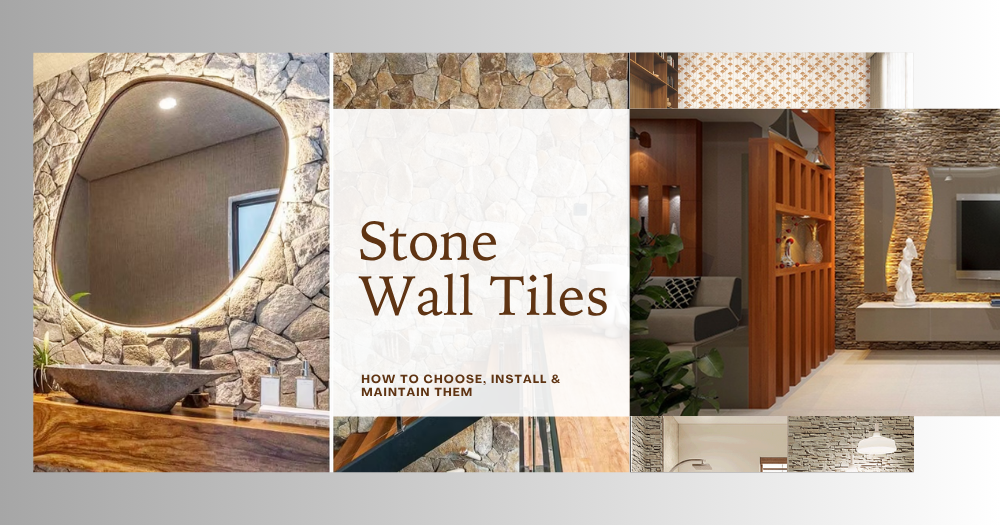
Introduction – Why Stone Wall Tiles Are Worth Considering
The moment you start planning a feature wall, fireplace surround, or statement entryway, stone wall tiles quickly rise to the top of the list. They bring texture, depth, and a natural feel that paint or plain drywall simply can’t match. Beyond looks, high-quality stone wall tiles are durable, long-lasting, and can work both indoors and outdoors when installed correctly.
In this guide, you’ll learn how to choose the right stone wall tiles for your space, how to plan and install them, and how to keep them looking beautiful for years. Whether you’re a DIY home renovator or working with a contractor, this will help you make confident, informed decisions at every step.
Why Stone Wall Tiles Are So Popular in Modern Homes
Stone wall tiles are everywhere in design inspiration boards for good reason. They add a sense of permanence and character that fits just as well in a cozy farmhouse living room as in a sleek, modern apartment. The natural color variation, organic veining, and subtle texture instantly turn an ordinary wall into a focal point.
They’re also incredibly versatile. You can use stone wall tiles to frame a fireplace, create a dramatic TV backdrop, build a spa-inspired shower wall, or finish an exterior entryway. Unlike trendy paint colors that can date quickly, natural stone tends to age gracefully. With the right choice of material and finish, stone wall tiles can support your daily routine, stand up to regular use, and still look stylish years later.
Types of Stone Wall Tiles and Where They Work Best
Not all stone wall tiles behave the same way. Each type of stone has its own look, feel, and care requirements. Understanding these differences will help you choose a material that suits both your design and your lifestyle.
Slate Stone Wall Tiles
Slate is a favorite for feature walls because of its rich, layered character. It often comes in deep charcoals, smoky greys, and warm rust tones, making it perfect for creating a dramatic focal point. The naturally textured surface helps hide dust and small marks, which is a plus in busy households.
Slate stone wall tiles work well around fireplaces, in living rooms, and on exterior facades. They’re typically dense and durable, but many varieties benefit from sealing to protect against staining and to make cleaning easier.
Travertine and Limestone Wall Tiles
Travertine and limestone are ideal if you prefer a softer, more neutral palette. Their beige, cream, and light grey tones add calmness to a space and pair beautifully with wood, glass, and warm metals. You often see these used in bathrooms, entry halls, and feature walls where a serene, spa-like feel is the goal.
Because these stones are more porous, they usually require sealing and gentle cleaning products. If you’re happy to follow a simple care routine, they reward you with timeless, elegant surfaces that don’t shout for attention but still feel luxurious.
Marble & Polished Stone Wall Tiles
Marble Tiles and other polished stones bring a distinctly high-end look. Their sheen and veining can turn a simple wall into a statement piece. These materials are often used behind freestanding tubs, around mirrors, or in upscale living areas.
However, polished stone can be more sensitive to acids and harsh cleaners, and scratches may show more easily. If you’re considering marble stone wall tiles, they’re best in areas where they are more decorative than heavily handled, and where you’re comfortable being a little more careful with maintenance.
Pebble & Stone Mosaic Wall Tiles
Pebble tile and stone mosaic wall tiles are perfect when you want an organic, handcrafted vibe. Pebbles add gentle, rounded texture that feels especially at home in showers, niches, backsplashes, and vertical strips that break up large tiled surfaces. Mosaics also make it easier to wrap tiles around curves, corners, and small areas without awkward cuts.
If you love the look of detailed patterns or natural pebbles arranged on mesh-backed sheets, exploring a dedicated stone mosaic tile collection can give you ready-to-install options that are carefully curated for feature walls and wet areas.
How to Choose the Right Stone Wall Tiles for Your Space
Choosing stone wall tiles is about more than just picking a color you like. The room’s function, lighting, moisture levels, and your maintenance preferences all influence what will work best long-term.
Consider the Room and Exposure
Start with where the stone will be installed. For exterior walls or outdoor kitchens, you need tiles that can handle weather, UV exposure, and temperature changes. For bathrooms and showers, select stone wall tiles that are suitable for wet zones and pair them with appropriate waterproofing and adhesives.
In dry interior spaces like living rooms and bedrooms, you have more flexibility, but it’s still wise to choose a material that suits how often the area is used and how much time you want to spend on upkeep.
Color, Texture & Pattern
Dark stone wall tiles, such as charcoal or deep brown, create drama but can visually shrink a small room if overused. Lighter stones, such as creams and soft greys, tend to brighten spaces and make them feel larger. Texture also matters: heavily textured stone feels rustic and tactile, while smoother finishes lean more modern and minimal.
Look closely at the veining, speckles, or pebble arrangement. Busy patterns can be stunning on a single feature wall but may overwhelm compact rooms. In smaller spaces, a calmer surface with subtle movement often feels more balanced.
Tile Size, Layout and Grout Lines
Large-format stone wall tiles create a sleek, continuous look with fewer grout lines, which is ideal for contemporary interiors. Smaller tiles or mosaic sheets add detail and are helpful when working with curves, niches, or tight corners. Think about how the tile size and layout will interact with your furniture, fixtures, and lighting.
Grout color makes a bigger difference than most people expect. A grout that matches your stone wall tiles will blend and let the stone stand out. A contrasting grout emphasizes each tile and the pattern of the layout, which might be what you want for certain designs.
Budget, Quality & Maintenance
Stone is a long-term investment. When you compare options, don’t just look at the price per square foot. Factor in the cost of adhesive, grout, sealer, tools, and labor if you’re hiring an installer. Higher-quality stone wall tiles often have more consistent thickness, better cutting, and fewer structural defects, which can save time and frustration during installation.
Finally, be honest with yourself about maintenance. If you prefer a low-effort routine, choose dense stones and finishes that need less sealing and tolerate everyday life well.
Planning and Preparing for Stone Wall Tile Installation
Proper planning can be the difference between a professional-looking wall and one that feels slightly “off” every time you look at it. Before you open a single box of stone wall tiles, take time to measure, inspect, and plan.
Measure Your Wall Accurately
Measure the height and width of the wall in several places, especially if your home has older or slightly uneven construction. Multiply to get the total square footage, then add 10–15% extra to cover cuts, breakage, and future repairs. It’s far better to have a little leftover tile than to run short mid-project.
Check Wall Condition
Your wall should be clean, dry, and structurally sound. Remove flaking paint, wallpaper, or old adhesive. Repair cracks and dents, and make sure the wall is reasonably flat. Installing stone wall tiles over a poorly prepared surface can lead to uneven tiles, hollow spots, or even failure over time.
Choose the Right Adhesive and Grout
Use adhesives suitable for stone and for the specific environment (interior, exterior, wet areas, etc.). Many installations call for a modified thin-set mortar. Likewise, choose grout based on joint width and location. Sanded grout is often used for wider joints, while unsanded grout is typically used for narrower joints and delicate stone.
Plan Your Layout
Before you start fixing tiles to the wall, dry-lay a few pieces on the floor. Play with different layouts and check how colors and variations flow together. Decide where you want full tiles to sit and where any cut tiles will end up. Ideally, avoid tiny slivers of tile at visible edges and make sure key features like fireplaces or TV units align nicely with the layout.
Step-by-Step Guide to Installing Stone Wall Tiles
If you’re comfortable with DIY projects and follow safety guidelines, you can install certain stone wall tiles yourself. However, always read the manufacturer’s instructions and consider hiring a professional for complex walls, heavy stone, or challenging areas.
Step 1: Gather Tools and Materials
You’ll typically need a notched trowel, tile spacers (if required), level, tape measure, pencil, sponge, buckets, tile cutter or wet saw, adhesive, grout, and sealer. Having everything ready before you begin helps the installation run smoothly.
Step 2: Mark a Level Starting Line
Use a level or laser level to mark a straight horizontal line on the wall. This line will guide your first row of stone wall tiles. Do not rely on the floor or ceiling being perfectly straight, as even slight unevenness can cause the pattern to drift.
Step 3: Apply Adhesive
Spread adhesive on a manageable section of the wall using the notched side of the trowel. Follow the manufacturer’s guidance on thickness and open time. For heavier stone pieces, back-buttering (adding adhesive to the back of the tile) can improve adhesion and reduce the risk of hollow spots.
Step 4: Lay the Stone Wall Tiles
Press each tile firmly into the adhesive, using a slight twisting motion to ensure full contact. Use spacers if your tiles require consistent grout joints. Check for level and alignment every few tiles; small adjustments are easier to correct early than later on.
Step 5: Cut Tiles for Edges and Corners
Measure carefully and cut edge tiles with a suitable tile cutter or wet saw. Always wear safety gear when cutting stone. For exposed corners, you might use specially made corner pieces, or you can miter-cut tiles to create a neat, wrapped look.
Step 6: Grout the Joints
After the adhesive cures (usually 24 hours or as specified), it’s time to grout. Mix the grout to the right consistency, then push it firmly into the joints with a rubber float. Wipe away excess with a damp sponge before it fully hardens, rinsing the sponge frequently. Avoid over-washing, which can pull grout out of the joints.
Step 7: Seal the Stone (If Needed)
Many natural stone wall tiles benefit from sealing. In some cases, you may pre-seal porous stones before grouting to prevent staining. Once the grout has cured, apply a suitable sealer to both stone and grout as recommended. This step helps protect your wall from moisture, stains, and everyday wear.
How to Maintain Stone Wall Tiles Over Time
Good maintenance doesn’t have to be complicated. A few simple habits will keep your stone wall tiles looking fresh and reduce the need for intensive cleaning.
Regular Cleaning
Dust or wipe stone walls periodically with a soft cloth or microfiber duster. For deeper cleaning, use pH-neutral stone cleaners and avoid abrasive pads or harsh chemicals. This is especially important for polished and lighter stones, where etching and staining are more visible.
Sealing Schedule
If your stone requires sealing, plan to reapply it every one to three years, depending on the material and exposure. A quick way to check is the water-drop test: sprinkle a little water on the surface. If it darkens quickly, it may be time to reseal.
Preventing Stains and Damage
In kitchens or bar areas, wipe up spills promptly. Near fireplaces, clean soot or residue regularly to prevent long-term discoloration. Be mindful of furniture or objects that might knock against corners and edges, as these areas are more vulnerable to chips.
Managing Grout Discoloration
Over time, grout may darken or collect dirt. Use a gentle grout cleaner and a soft brush for periodic refreshes. If grout becomes cracked or heavily stained, regrouting sections can revive the overall look of your stone wall.
Common Mistakes to Avoid with Stone Wall Tiles
A few avoidable missteps can cause long-term frustration. Keep these in mind as you plan your project:
- Skipping wall preparation and installing over uneven or unstable surfaces.
- Using the wrong adhesive or grout for exterior or wet environments.
- Not sealing porous stone before grouting, leading to stained tile faces.
- Ignoring layout planning and ending up with tiny slivers of tile at edges.
- Choosing very rough stone in tight spaces where people brush against the wall.
- Underestimating the weight of stone wall tiles and not checking substrate suitability.
Conclusion – Turning Your Stone Wall Tile Ideas into Reality
Stone wall tiles can completely transform a space, whether you’re building a cozy fireplace wall, upgrading your shower, or giving your entryway a more welcoming feel. By understanding the different types of stone, planning carefully, and following solid installation and maintenance practices, you can enjoy a wall that looks beautiful and performs well for years.
As you refine your design and start comparing options, it helps to explore curated collections that focus on quality, natural texture, and timeless style. Pebble Tile Shop specializes in stone and pebble tiles designed for real homes and real projects, with detailed product information that makes selection easier. When you’re ready to move from ideas to action, browsing their ranges can spark inspiration and help you choose the right stone wall tiles to match your vision, budget, and lifestyle.


Leave a comment
This site is protected by hCaptcha and the hCaptcha Privacy Policy and Terms of Service apply.