
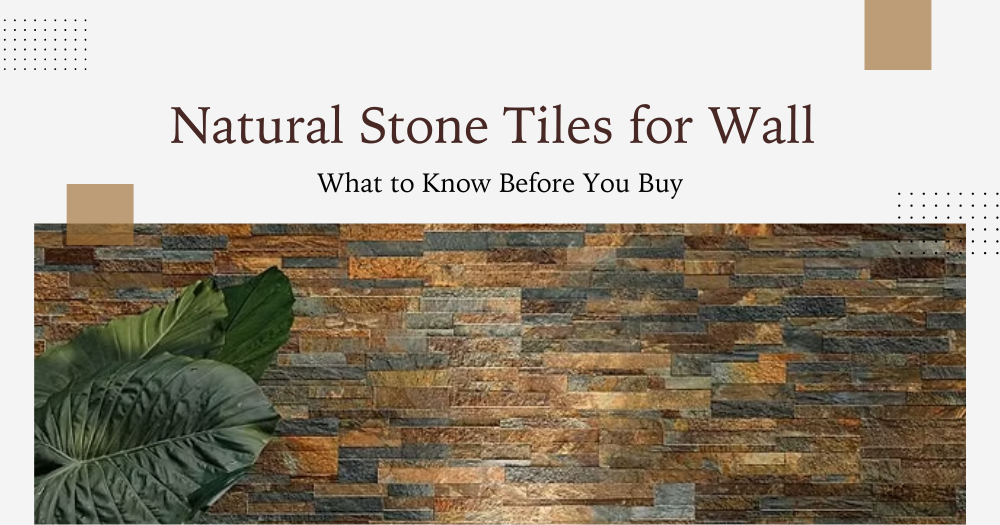
Introduction – Why Natural Stone Tiles for Wall Are Worth Considering
Walk into a room with a beautifully tiled stone feature wall and it immediately feels different. There is depth, texture, and a kind of quiet luxury that paint or wallpaper can’t quite match. That’s the magic of using natural stone tiles for wall design – they turn flat surfaces into focal points.
But because stone is a long-term investment, it’s not something you want to choose in a hurry. The type of stone, finish, thickness, and even where you install it will affect how your wall looks, performs, and ages over time. The right choice gives you a space that feels calm, elevated, and uniquely yours. The wrong one can feel too busy, too high-maintenance, or simply out of sync with the rest of your home.
In this guide, we’ll walk through what natural stone tiles for wall applications really are, the main types to consider, how to match them to your lifestyle, and what to know about installation and care. By the end, you’ll be ready to choose with confidence rather than guesswork.
What Are Natural Stone Tiles for Wall?
Natural stone tiles are cut from real rock, quarried from the earth and shaped into pieces that can be fixed to walls. Unlike ceramic or porcelain tiles that have printed patterns, natural stone has unique veining, subtle color shifts, and organic textures that come from nature, not a machine.
When we talk about natural stone tiles for wall design, we usually mean tiles that are lighter and often thinner than floor tiles, deliberately made to be easier to work with on vertical surfaces. They might come as individual tiles, stacked stone panels, split-face strips, or smooth slabs designed to sit flush on the wall.
What sets natural stone apart is its individuality. No two pieces are exactly the same. This means your finished wall will never look identical to anyone else’s, which is a big part of the appeal.
- Each tile has its own pattern and tone.
- Color variation is normal and often desirable.
- Texture can range from silky smooth to rugged and rustic.
Because of this variety, it’s important to understand how different stone types behave and where they work best.
Popular Types of Natural Stone Tiles for Wall (and Where They Work Best)
Not all natural stone looks or behaves the same. Some stones feel formal and luxurious, others feel relaxed and earthy. Here are a few of the most common options and where they shine in wall applications.
Marble Wall Tiles
Marble Tiles is often the first stone that comes to mind when you think of luxury. Its soft veining and polished finish can make a wall look like something out of a boutique hotel. Marble is a popular choice for feature walls in living rooms, fireplaces, and powder rooms where you want a statement.
However, marble can be more porous and sensitive to staining and etching, especially with acids found in everyday products. It works best on walls that won’t be exposed to heavy splashing, greasy cooking, or harsh cleaners. If you’re okay with a little patina over time, marble can be incredibly rewarding.
- Best for: Fireplaces, statement walls, entryways, elegant bathrooms.
- Consider if: You love a refined, high-end look and don’t mind some maintenance.
- Be aware that: It may require regular sealing and gentle cleaning products.
Travertine Wall Tiles
Travertine has a warm, classic feel with natural pits and soft color tones that range from cream to caramel. It’s ideal when you want walls that feel inviting, timeless, and slightly rustic rather than ultra-modern.
Travertine is often used in living rooms, bathrooms, and around archways or niches to give them a soft, traditional character. The stone’s pores can be filled or left open depending on the finish you prefer.
- Best for: Living rooms, bathrooms, classic or Mediterranean-inspired interiors.
- Consider if: You like gently textured walls and warm, natural tones.
- Be aware that: Travertine is porous and benefits from sealing.
Limestone Wall Tiles
Limestone tends to be subtle, with soft, even coloring and minimal veining. It’s perfect if you want natural stone tiles for wall installations that feel calm and understated rather than dramatic.
It pairs beautifully with minimalist furniture, natural fabrics, and neutral palettes, making it a good fit for modern homes. Just like travertine, limestone can be porous, so sealing and gentle cleaning are important.
- Best for: Modern, minimalist, or coastal-inspired spaces.
- Consider if: You want a clean, quiet backdrop that still has natural character.
- Be aware that: It’s softer than some stones and needs mindful care.
Slate and Other Textured Stone Tiles
Slate and similar textured stones bring a bold, tactile presence to walls. Their surfaces are often layered and uneven, catching light and shadow in interesting ways. Dark slate can make a space feel dramatic and cocoon-like, while multicolour slate adds a more rustic, earthy energy.
These stones are often used for feature walls, entryways, or outdoor areas where a natural, weathered look is desired. Because they are textured, they’re better suited to areas where cleaning is manageable, not right behind a stovetop where grease can lodge in crevices.
- Best for: Accent walls, outdoor spaces, fireplaces, stairwells.
- Consider if: You love depth, texture, and a slightly rugged look.
- Be aware that: Deep textures can trap dust and may take extra effort to clean.
Key Factors to Consider Before Buying Natural Stone Wall Tiles
Choosing natural stone tiles for wall surfaces is about more than falling in love with a sample. Before you commit, it helps to think through where the tiles will go, how you’ll use the space, and how much care you’re willing to give.
Location and Room Type
Start with the basics: where will these tiles be installed? A dry living room wall has very different needs compared to a bathroom or a splash zone near a kitchen sink. Exterior walls and patios also face sun, rain, and temperature changes that can affect certain stones.
- For bathrooms and kitchens, choose stones that can handle moisture and be sealed effectively.
- For outdoor walls, confirm the stone is suitable for exterior use in your climate.
- For feature walls in living rooms or bedrooms, focus more on aesthetics and texture.
Style and Mood
Natural stone sets a strong tone for the entire room. Ask yourself what mood you’re trying to create: calm and spa-like, warm and rustic, sleek and modern, or dramatic and moody? The stone you choose should support that feeling rather than fight it.
- Light, subtle stones create an airy, relaxed atmosphere.
- Darker, textured stones add drama and intimacy.
- Strong veining or bold colors turn the wall into a focal point on their own.
Finish and Texture
The finish of natural stone tiles for wall use has a big impact on both look and maintenance. Honed or matte finishes are softer and more forgiving of smudges, while polished finishes reflect more light and can feel more formal. Split face or stacked stone adds a 3D effect.
- Honed: smooth but not shiny, good for most interiors.
- Polished: glossy and reflective, best for elegant statement areas.
- Textured/split face: deeply tactile, ideal for feature walls and outdoor use.
Colour and Pattern Variation
Every stone batch has natural variation. That small showroom sample may not show the full range of tones and patterns you’ll get on your wall. That’s part of the charm, but it’s good to be prepared.
- Ask to see multiple pieces or photos of full installations.
- Expect variation and embrace it as part of the design.
- Plan the layout so color changes feel balanced, not patchy.
Maintenance Needs
Some stones are fairly low-maintenance, while others demand a little more care. Think realistically about your lifestyle. If you prefer “wipe and go” surfaces, you may want a less porous stone and a simple cleaning routine.
- Check whether the stone needs sealing and how often.
- Use pH-neutral cleaners designed for stone.
- Avoid harsh, acidic, or abrasive products.
Budget and Waste Factor
Natural stone is generally more expensive than basic wall finishes, and you’ll also need to account for installation. Because tiles are cut and adjusted on-site, your installer will likely need extra material to allow for cuts and breakage.
- Factor in 10–15% extra tiles for wastage, depending on layout complexity.
- Include labour, adhesive, grout, and sealing in your budget.
- Remember that experienced installers can be worth the additional cost.
Pros and Cons of Choosing Natural Stone Tiles for Wall
To decide if natural stone is truly right for you, it helps to step back and look at both sides of the story.
Advantages
- Timeless, high-end look that rarely goes out of style.
- Unique variation means your wall won’t look like anyone else’s.
- Durable and long-lasting when cared for correctly.
- Can increase the perceived quality and value of your space.
Considerations and Drawbacks
- Higher upfront cost than many other wall finishes.
- Some stones require sealing and thoughtful cleaning.
- Tiles are heavier, so not every wall is suitable without preparation.
- Color and pattern variation may not suit those who prefer a perfectly uniform look.
Design Ideas – How to Use Natural Stone Wall Tiles in Your Home
Once you start looking for opportunities, you’ll notice plenty of places where natural stone tiles for wall accents can elevate your home. Here are a few popular ideas to spark inspiration.
Living Room Feature Wall
A stone feature wall behind the TV or sofa adds depth and texture to the living room. It can anchor the layout and make the whole space feel more intentional. Pair stone with soft lighting, a large rug, and layered cushions to keep the room cosy rather than cold.
Entryway or Hallway Accent
The first few steps into your home set the tone. Cladding one wall in the entryway with natural stone immediately signals warmth and character. In narrow hallways, choose lighter stones to keep the area feeling open.
Bedroom Headboard Wall
A stone-clad wall behind the bed turns a simple room into a retreat. Combine it with upholstered furniture, soft bedding, and warm lighting so the stone reads as a calming backdrop rather than dominating the space.
Bathroom Feature or Shower Wall
With the right waterproofing and sealing, natural stone can look incredible in bathrooms. A single feature wall in the shower, behind the bath, or behind the vanity can create a spa-like feel. Just ensure the stone is suitable for wet areas and commit to gentle, regular care.
Outdoor Walls, Patios, and Balconies
Exterior stone cladding around a patio, balcony wall, or garden feature can blur the line between indoor and outdoor living. Choose stones rated for exterior use, and think about how they will look in natural daylight and evening lighting.
Installation and Practical Considerations (What People Often Overlook)
Even the most beautiful tiles can disappoint if the installation isn’t done properly. While some experienced DIYers tackle small projects themselves, many natural stone wall applications are best left to professionals.
Before you start, think about:
- Wall Preparation: The surface should be sound, clean, and able to bear the weight of the stone. Any moisture issues need to be addressed first.
- Adhesives and Grouts: Use products designed for natural stone and suited to the specific room, especially for bathrooms or outdoor areas.
- Sealing: Many stones benefit from sealing before and after installation to protect against stains and moisture.
- Layout and Pattern: Ask your installer to “dry lay” tiles or panels first so color variation is spread evenly across the wall.
- Lighting: Overhead and wall lighting will highlight texture and imperfections. Plan your lighting and stone together for the best result.
Questions to Ask Before Installation
- Is my wall strong and prepared enough to handle the weight of these tiles?
- Which adhesive and grout are you using, and are they stone-safe?
- Will you seal the tiles, and how often should I reseal them?
- Can I see the layout before tiles are fixed permanently?
Care, Sealing, and Long-Term Maintenance
Looking after natural stone tiles for wall surfaces doesn’t need to be complicated. A simple, consistent routine is usually enough to keep them looking their best.
- Use a soft cloth or duster to remove dust and cobwebs regularly.
- For marks or splashes, clean with a damp cloth and a pH-neutral stone cleaner.
- Avoid vinegar, bleach, or harsh chemicals that can etch or dull the surface.
- Follow the manufacturer’s or supplier’s advice on how often to reseal, especially in bathrooms or kitchens.
In most cases, a small amount of ongoing effort will ensure your stone walls stay beautiful for many years, aging with character rather than looking worn.
Quick Buying Checklist for Natural Stone Wall Tiles
Before you place an order, run through this quick checklist to make sure you’re making a well-informed choice.
- Have you chosen a stone type suited to the room (indoor/outdoor, wet/dry)?
- Does the finish match your lifestyle (polished, honed, or textured)?
- Have you seen more than one sample so you understand natural variation?
- Have you allowed extra tiles for cuts and wastage?
- Do you know if the stone needs sealing and how often?
- Have you budgeted for professional installation if required?
- Are your lighting and décor choices planned to complement the stone?
FAQ – Common Questions About Natural Stone Tiles for Wall
Are natural stone wall tiles suitable for bathrooms and showers?
Yes, many stones can be used in bathrooms and even showers, provided the walls are properly prepared, waterproofed, and the stone is sealed as recommended. Always confirm suitability with your supplier and installer.
Do natural stone tiles for wall need sealing?
Most stones, especially porous ones like travertine and limestone, benefit from sealing. Sealing helps resist stains and moisture and can make day-to-day cleaning much easier.
Can I install natural stone wall tiles myself?
Small feature areas might be manageable for experienced DIYers, but larger walls or tricky spaces are usually better handled by a professional. Stone is heavy, and getting the layout right is important for a seamless look.
Will my wall be strong enough for natural stone tiles?
Many walls can support natural stone with the right preparation, but it’s vital to check first. Your installer or a qualified builder can assess load-bearing capacity and advise on any additional support or preparation needed.
Are natural stone tiles high maintenance?
Not necessarily. They do require a bit more care than completely non-porous surfaces, but with sealing and gentle cleaning products, the routine is straightforward. Think of it as caring for a quality material that rewards you with long-lasting beauty.
How do natural stone tiles compare to faux-stone panels?
Faux-stone panels can mimic the look of stone and may be lighter or easier to install, but they usually lack the depth, detail, and individuality of real stone. Natural stone offers an authentic feel that many people value for long-term projects.
Conclusion – Choosing the Right Natural Stone Wall Tiles with Confidence
Natural stone tiles for wall applications can completely change how a space feels, turning plain surfaces into textural, character-filled backdrops. When you understand the different stone types, think carefully about where they’ll be installed, and plan for proper installation and care, you’re much more likely to end up with a wall you love for years.
Whether you’re dreaming of a soft, spa-like bathroom, a dramatic living room feature wall, or an inviting entryway, the right stone can help you express your personal style in a lasting way. From there, it’s all about the finishing touches – the lighting, greenery, cushions, and decorative pieces that bring the whole look together.
If you’re planning a home refresh and want décor that complements the richness of natural stone, explore the curated collections at Pebble Tile Shop. You’ll find styling pieces that work beautifully alongside stone walls – from table runners and event décor to seasonal accents – helping you create spaces that feel thoughtful, welcoming, and distinctly your own.


Leave a comment
This site is protected by hCaptcha and the hCaptcha Privacy Policy and Terms of Service apply.