
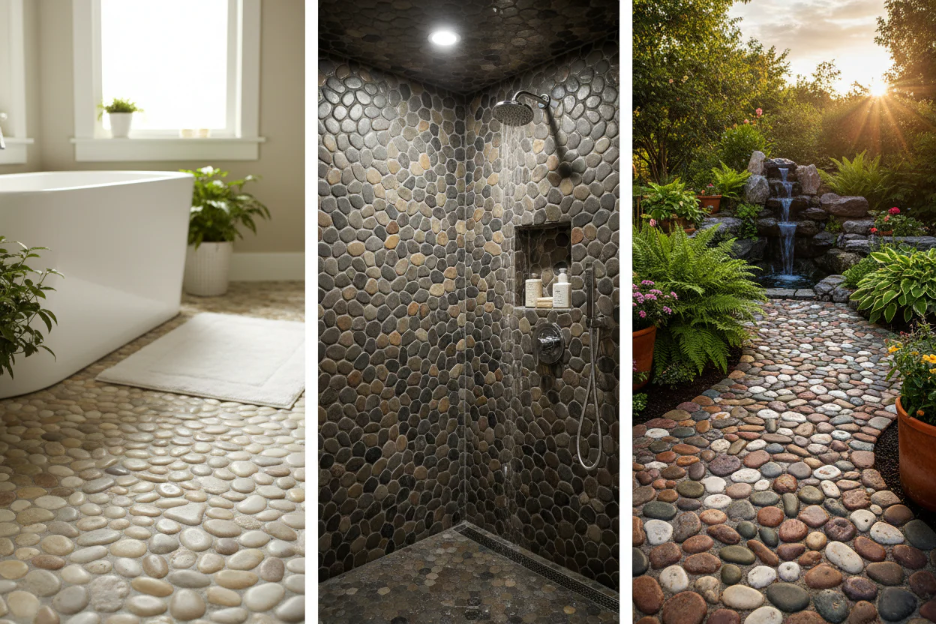
Natural stone surfaces bring warmth, texture, and a relaxed organic feel into a space. But when it comes to choosing the right pebble tile, many homeowners and designers end up asking the same question: sliced pebble tile vs whole pebble which one is actually better for everyday use?
If you are planning a bathroom remodel, shower floor update, spa-inspired feature wall, or outdoor accent, the answer depends less on what looks best in a photo and more on how the tile will feel, perform, and age in your home.
At Pebble Tile Shop, both styles offer timeless natural appeal, but they create very different experiences underfoot and visually. From sliced pebble tile flooring to traditional rounded stone mosaics, each option has strengths that make it better suited for certain spaces.
This guide breaks down the practical differences so you can choose with confidence.
What Are Sliced Pebble Tiles?
Sliced pebble tiles are made from natural pebbles that have been cut to create a flatter top surface while preserving the stone’s natural shape and variation. They are commonly mounted on mesh backing, which helps simplify installation and maintain an organic layout.
This style offers a more refined and level finish while still keeping the natural stone character that makes pebble tile so distinctive. On the All Pebble Tiles collection, you can see how sliced styles are available in a range of colours, sizes, and finishes, including XL and rounded sliced formats.
What Are Whole Pebble Tiles?
Whole pebble tiles use pebbles in their more natural rounded form. Instead of being cut flat, the stones retain their full shape and contour. This gives the surface more depth, more visible relief, and a more tactile feel.
Whole pebble tiles are often chosen when the goal is to create a stronger connection to nature. They tend to look slightly more rustic, more textured, and more visibly “stone-like” than sliced options.
Because of their shape, they also create a different walking experience and can affect grout coverage, cleaning, and comfort in wet areas.
The Core Difference at a Glance
At a high level, the comparison comes down to one simple distinction:
-
Sliced pebble tiles = flatter, smoother, more uniform
-
Whole pebble tiles = rounded, more textured, more dimensional
That one difference affects nearly everything else, including installation feel, maintenance, comfort, slip resistance, and visual style.
1) Appearance: Clean and Refined vs Organic and Natural
Sliced Pebble Tiles: More Structured and Contemporary
Sliced pebble tiles usually feel more polished and intentional in finished spaces. Because the top surface is flatter, the floor or wall tends to look cleaner and more even from a distance.
This makes them especially popular in:
-
modern bathrooms
-
spa-inspired showers
-
minimalist powder rooms
-
sleek indoor-outdoor transitions
They still preserve natural variation, but the overall look feels more edited and design-forward.
Whole Pebble Tiles: More Textured and Earthy
Whole pebble tiles have a softer, more natural visual rhythm. Since the stones sit at different heights and curves, the finished surface looks more layered and organic.
They work especially well in:
-
rustic bathrooms
-
nature-inspired shower floors
-
garden-style outdoor spaces
-
accent zones where texture matters
If your style leans toward raw materials and relaxed design, whole pebble tile often feels more authentic.
Which Looks Better?
There is no universal winner here. It depends on the style of the room.
Choose sliced if you want:
-
a cleaner finish
-
a more modern layout
-
a smoother visual field
Choose whole if you want:
-
a natural stone statement
-
more visible texture
-
a handcrafted, earthy feel
2) Comfort Underfoot: Which One Feels Better to Walk On?
One of the biggest practical questions in the sliced pebble tile vs whole pebble debate is comfort.
This is especially important if you are selecting tile for:
-
shower floors
-
bathroom floors
-
barefoot spa areas
-
poolside walkways
Sliced Pebble Tile Comfort
When people talk about pebble tile comfort, sliced pebble tile usually comes out ahead for everyday barefoot use.
Because the stones are cut flatter, the surface feels smoother and more even underfoot. Many homeowners like this for shower floors because it offers natural texture without feeling too raised or uneven.
That makes sliced pebble tile flooring a strong option for spaces where comfort matters just as much as style.
Whole Pebble Tile Comfort
Whole pebble tiles can feel more textured underfoot. Some people love that because it creates a more natural, massage-like sensation. Others find it less comfortable, especially if the pebbles are highly rounded and the grout is not installed evenly.
This does not make whole pebble tile a bad choice. It simply means it is more important to think about the exact location and how often the surface will be used barefoot.
Practical Verdict on Comfort
For most indoor floors and shower applications:
-
Sliced pebble tile = generally more comfortable
-
Whole pebble tile = more textured, more sensory
If comfort is a top priority, sliced usually wins.
3) Texture and Grip: Which One Is Safer in Wet Areas?
Another major factor in any pebble tile texture comparison is traction.
Wet spaces need a surface that helps reduce slipping without becoming difficult to clean or uncomfortable to stand on.
Sliced Pebble Tile Texture
Sliced pebble tiles still provide grip because they are made from many individual stones with natural edges and grout joints. Even though the top is flatter, the surface is not slick like polished large-format tile.
That balance makes sliced pebble a very practical choice for:
-
shower pans
-
bathroom floors
-
laundry rooms
-
entryway accents
Whole Pebble Tile Texture
Whole pebble tile generally creates more texture and contour, which can provide excellent traction in wet conditions. The varied height and shape of the stones naturally interrupt the walking surface and help create grip.
That makes whole pebble a popular choice for:
-
shower floors
-
outdoor showers
-
pool surrounds
-
garden walkways
Which Is Better for Slip Resistance?
Both can work well. The right result depends heavily on:
-
stone finish
-
grout coverage
-
installation quality
-
where the tile is used
In many cases:
-
Whole pebble offers stronger natural texture
-
Sliced pebble offers a more balanced mix of traction and comfort
4) Maintenance and Cleaning: Which One Is Easier to Live With?
This is where practical homeowners often make their final decision.
Natural stone always benefits from proper sealing and routine care, but the shape of the tile changes how easy it is to clean over time.
Sliced Pebble Tiles Are Usually Easier to Clean
Because the top surface is flatter, sliced pebble tiles tend to collect less residue and are easier to wipe, mop, or rinse.
In shower floors, that can mean:
-
easier soap residue management
-
simpler daily maintenance
-
less surface variation to scrub around
The smoother profile also tends to feel easier to maintain in family homes where convenience matters.
Whole Pebble Tiles Need More Attention
Whole pebble tiles have more curves, dips, and height variation. That can create more visual richness, but it also means there are more surface transitions where residue or buildup may collect over time.
That does not mean they are high-maintenance by default. It simply means they may require a little more care in:
-
wet bathrooms
-
soap-heavy showers
-
heavily used floors
Maintenance Winner
If low-maintenance living is important, sliced pebble tile usually has the edge.
5) Installation Experience: Which One Is Easier to Work With?
Both sliced and whole pebble tiles are commonly sold on mesh-backed sheets, which helps make layout easier than placing loose stones individually.
Still, the finished result depends on more than just setting the sheets in place.
Sliced Pebble Tiles
Sliced pebble tiles often feel easier to level because the surface is more uniform. That can help create a more consistent finished floor and a slightly more predictable grout experience.
They are often preferred when the goal is a cleaner, more controlled look.
Whole Pebble Tiles
Whole pebble tiles may require more attention during installation to keep the surface comfortable and visually balanced. Because the stones are more rounded and dimensional, grout height matters a lot.
If grout sits too low, the floor can feel more uneven than expected. If it sits too high, it can reduce the natural stone effect.
Best Practical Advice
Whichever style you choose:
-
use an installer familiar with pebble mosaics
-
seal when appropriate for the stone type
-
plan grout carefully for both comfort and appearance
Good installation makes a bigger difference than many buyers realise.
6) Best Uses by Room
The easiest way to choose between sliced and whole pebble tile is to think room by room.
Best Rooms for Sliced Pebble Tile
Sliced pebble tile is often ideal for:
Shower Floors
It offers grip, comfort, and a more level feel underfoot.
Bathroom Floors
It creates a spa-like natural look without feeling too rugged.
Indoor Accent Zones
Perfect for calming, modern, nature-inspired interiors.
Contemporary Wall Features
Its flatter profile can feel cleaner and more architectural in vertical applications.
Two or three lines of visual breathing often help this style stand out best in modern interiors.
It works especially well when paired with simple stone, porcelain, or neutral wall finishes.
Best Rooms for Whole Pebble Tile
Whole pebble tile is often ideal for:
Spa-Style Shower Floors
Especially when you want a more tactile, natural experience.
Outdoor Pathways
Its stronger texture can feel appropriate in transitional natural spaces.
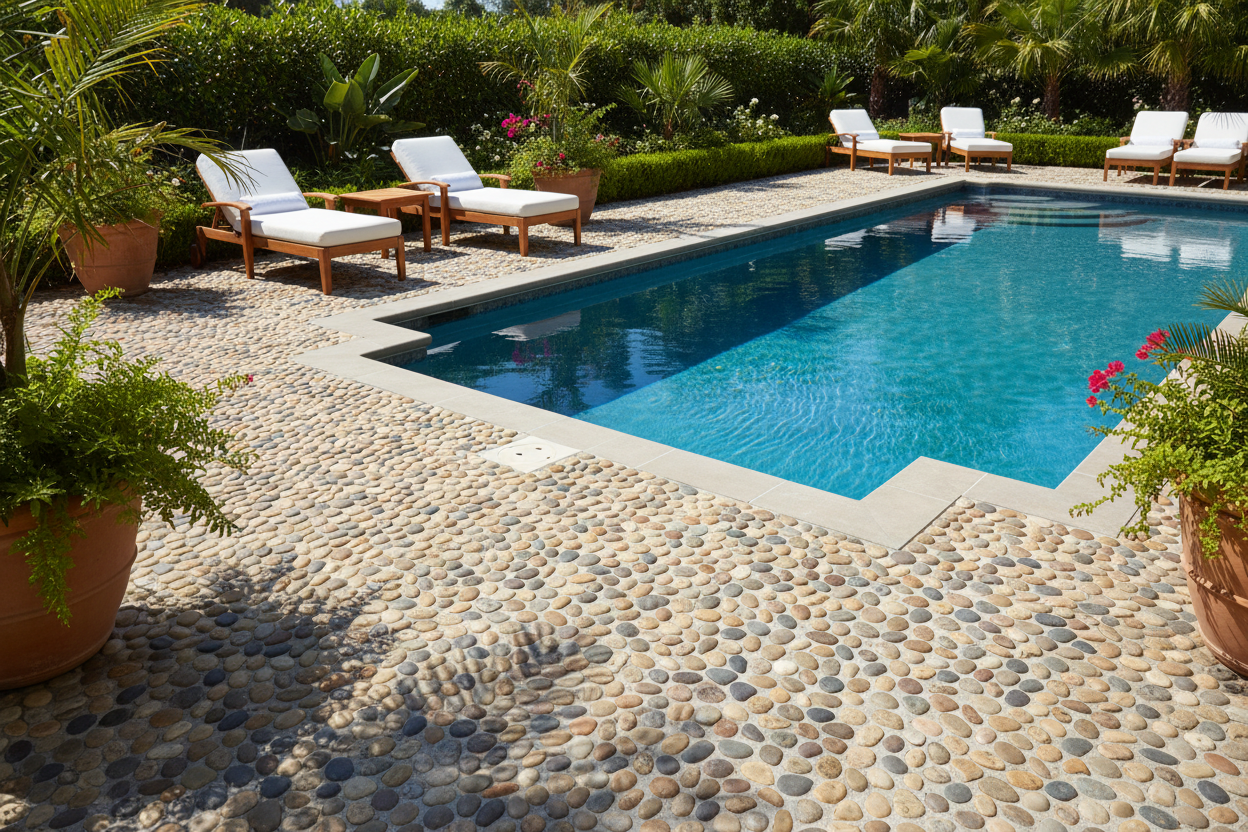
Poolside and Garden Areas
The organic shape complements landscaping and water features beautifully.
Feature Niches or Accent Insets
Where texture is meant to be part of the visual impact.
This style tends to shine in spaces where the goal is not perfection, but natural character.
It often feels best when surrounded by wood, stone, greenery, or warm earth-toned finishes.
7) Which One Is Better for Design Flexibility?
Both styles are versatile, but they do different things visually.
Sliced Pebble Tile Design Strengths
-
easier to pair with modern finishes
-
works well with cleaner lines
-
blends naturally into contemporary bathrooms
-
often feels more elevated in minimalist spaces
Whole Pebble Tile Design Strengths
-
adds stronger visual depth
-
creates a more handcrafted mood
-
works beautifully with rustic or tropical styling
-
makes a more obvious natural-stone statement
If you want the pebble tile to quietly support the room, choose sliced.
If you want the pebble tile to be part of the personality of the room, choose whole.
8) Which One Should You Choose?
If you are still deciding between the two, this simple guide can help:
Choose Sliced Pebble Tile If You Want:
-
a smoother walking surface
-
easier cleaning
-
a cleaner, more refined finish
-
better everyday pebble tile comfort
-
versatile sliced pebble tile flooring for bathrooms or showers
Choose Whole Pebble Tile If You Want:
-
more natural depth and contour
-
stronger tactile texture
-
a rustic or spa-like organic look
-
a more expressive pebble tile texture comparison result
-
a design that feels closer to untouched stone
Final Thoughts
The best answer to sliced pebble tile vs whole pebble is not about which one is objectively better. It is about which one works better for your space, your design goals, and your day-to-day use.
If you want a tile that feels smooth, practical, and polished, sliced pebble tile is often the smarter fit.
If you want a surface that feels raw, natural, and full of texture, whole pebble tile may be exactly what your project needs.
The good news is that both options bring the timeless appeal of natural stone into the home. It simply comes down to how you want that experience to feel.
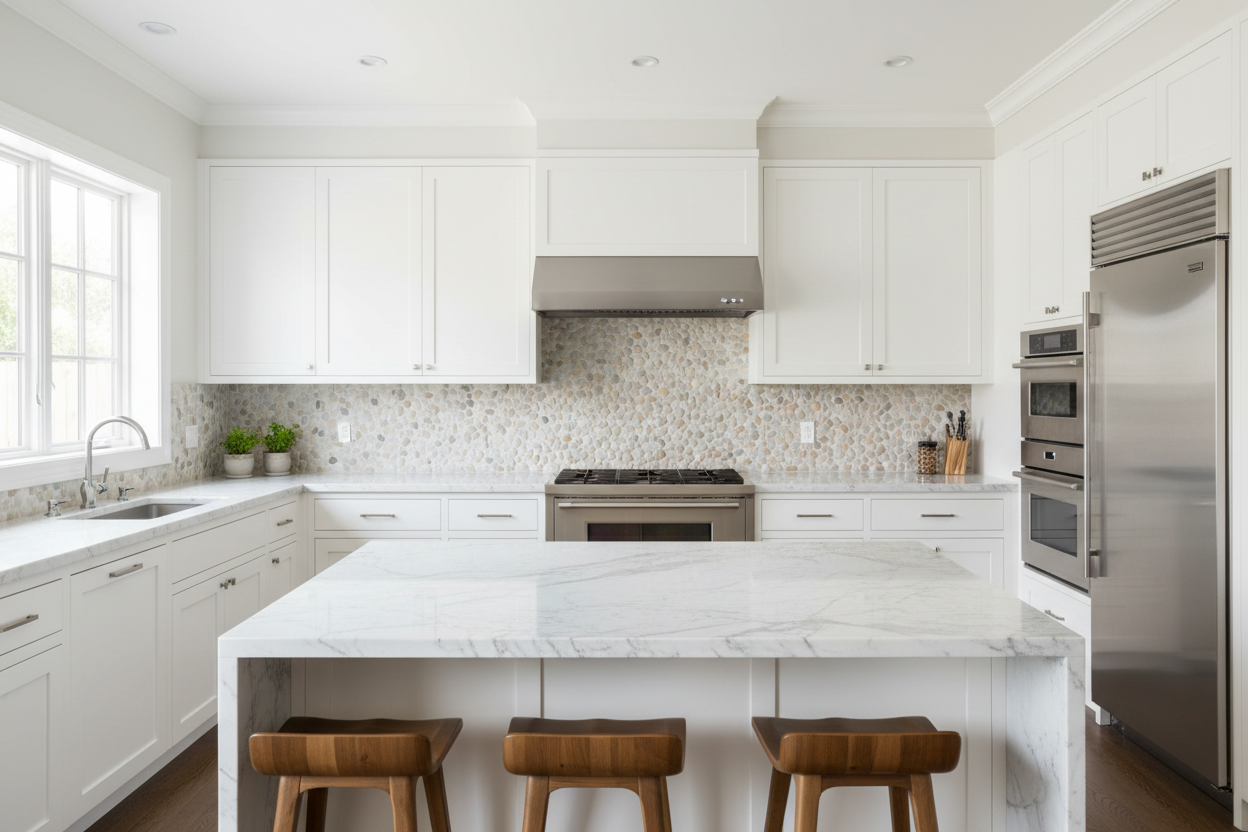
To explore styles for your next project, browse the Contact Us page for product guidance.

Leave a comment
This site is protected by hCaptcha and the hCaptcha Privacy Policy and Terms of Service apply.