
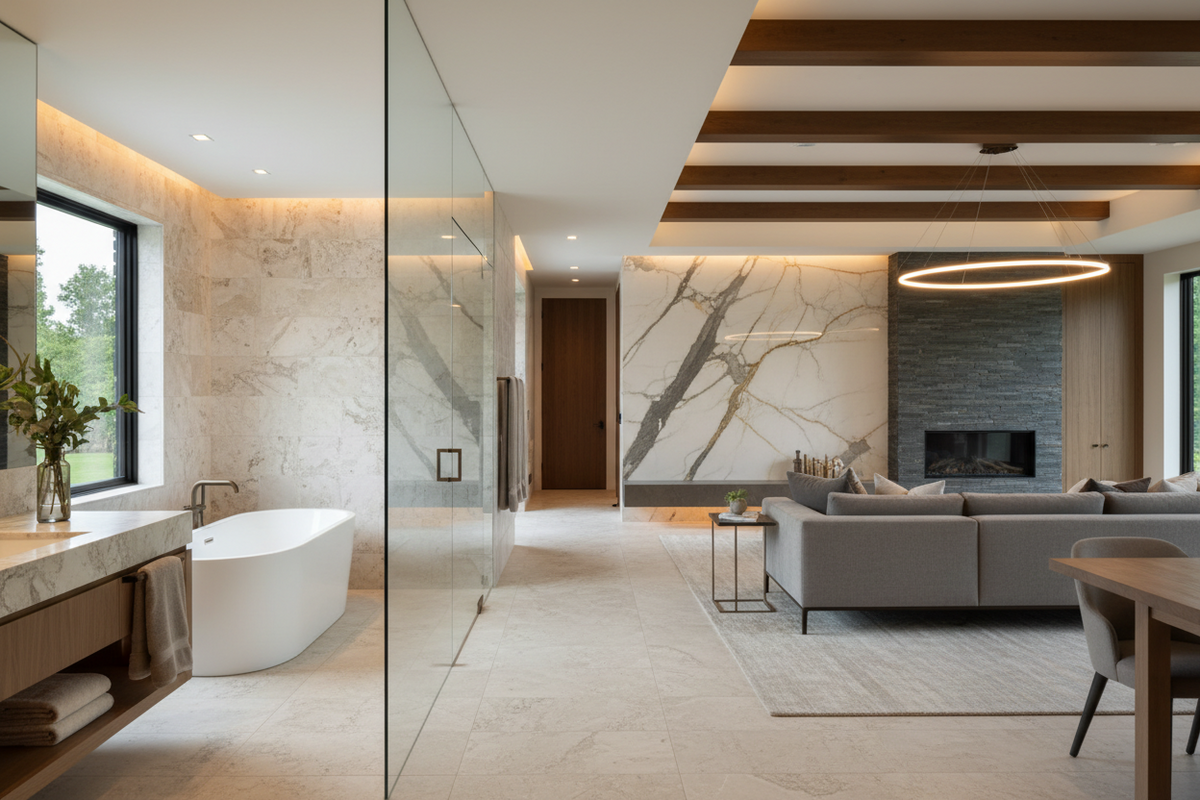
There's a reason the most breathtaking homes in America — from the brownstones of Brooklyn to the spa-inspired ranches of Scottsdale — keep coming back to natural stone wall tiles. It isn't just about aesthetics, though the beauty is undeniable. It's about the feeling a room gets when every surface has weight, character, and a story older than any of us. No factory can replicate what millions of years of geological pressure produces, and smart homeowners know it.
But here's the honest truth that most tile guides won't tell you: natural stone wall tiles aren't for every project, every budget, or every homeowner. They cost more, they demand more, and they reward you more — but only when you choose the right stone for the right wall in the right space.
This guide gives you everything you need to make that decision with confidence. We'll cover every major stone type, realistic 2026 costs broken down by material and labor, the genuine advantages and real drawbacks, a room-by-room application guide, installation essentials, maintenance requirements, and the design trends shaping American homes right now. By the time you finish reading, you'll know exactly whether natural stone wall tile is right for your home — and if it is, exactly how to get it right.
Table of Contents
- What Are Natural Stone Wall Tiles?
- Types of Natural Stone Wall Tiles Explained
- Natural Stone Wall Tile Cost Breakdown (2026)
- The Real Pros of Natural Stone Wall Tiles
- The Honest Cons of Natural Stone Wall Tiles
- Room-by-Room Application Guide
- Natural Stone vs. Porcelain Look-Alike
- Installation: What You Need to Know
- How to Maintain Natural Stone Wall Tiles
- 2026 Natural Stone Wall Tile Design Trends
- Buyer's Checklist: How to Shop Smart
- Frequently Asked Questions
- Conclusion
1. What Are Natural Stone Wall Tiles?
Natural stone wall tiles are tiles cut, shaped, or formed from stone that occurs organically in the Earth — marble, travertine, granite, slate, limestone, basalt, quartzite, and more. Unlike ceramic or porcelain tiles manufactured from engineered clay mixtures and fired in kilns, natural stone tiles are quarried directly from the earth, cut into workable formats, and finished for installation. Every single tile is a one-of-a-kind product of nature: no two pieces share the same veining, coloring, or texture.
That uniqueness is exactly what makes natural stone so compelling — and so different from any manufactured alternative. You're not buying a product that thousands of other homeowners have on their walls in an identical pattern. You're bringing a piece of geology into your home and making it your own.
Why Natural Stone Wall Tiles Are More Popular Than Ever in 2026
Coverings — North America's foremost ceramic tile and natural stone event — named immersive natural stone aesthetics one of the top ten tile trends of 2025, specifically noting consumer demand to envelop entire spaces in the rich tones and textures of marble, travertine, and onyx. Meanwhile, Homes & Gardens reported in early 2025 that large-format natural stone for spa-style bathrooms and feature walls has become a defining material of the design moment.
📊 Key Statistic: According to the Joint Center for Housing Studies at Harvard University, American homeowners spent over $420 billion on home improvements in 2023 — a record high — with bathroom and kitchen renovations leading all categories. Premium materials, including natural stone tile, captured a growing share of that spend as homeowners prioritized durability and long-term value over short-term savings.
The broader cultural context accelerates this trend too. The wellness design movement — which emphasizes nature-connected, calming home environments — has dramatically elevated demand for materials that feel authentic and organic. In a world of mass-produced everything, a wall of real marble or honest slate carries a different emotional weight. You feel it immediately. It shows in the way light plays across an imperfect natural surface in a way it simply doesn't on a manufactured tile.
📊 Survey Insight: The National Kitchen & Bath Association (NKBA) 2024 Design Trends Report found that 68% of bathroom remodelers prioritized creating a "spa-like" atmosphere, with natural stone tile ranked as the number-one material for achieving that aesthetic — above ceramic, porcelain, and all manufactured alternatives.
2. Types of Natural Stone Wall Tiles Explained
Not all natural stone is created equal. Each type has its own personality, structural properties, maintenance requirements, and ideal use cases. Understanding these differences before you shop is the single most important thing you can do for your project.
Marble
Marble is the prestige choice — the stone that has signified luxury in interior design since ancient Rome. Its distinctive veining (caused by mineral impurities running through crystallized limestone), luminous glow, and remarkable variety make it the most recognizable natural stone in residential design. Carrara marble from Italy — white or blue-grey with delicate grey veining — is the most iconic, but marble comes in blacks, greens, pinks, rich reds, and warm golds from quarries across the world.
Best for: Bathroom feature walls, shower surrounds, fireplace surrounds, vanity backsplashes, kitchen backsplashes in low-splash zones.
Key consideration: Marble is porous and relatively soft (Mohs 3–4). It scratches, etches with acidic liquids, and stains without proper sealing. On walls — where it's not subjected to foot traffic — these drawbacks are significantly more manageable than on floors.
Travertine
Travertine is a sedimentary stone formed in hot springs and limestone caves. Its characteristic look includes natural pits and voids (typically filled and honed in tile formats), warm earthy colors — creams, golds, tans, walnut browns — and a textural quality that feels simultaneously ancient and deeply organic. It's one of the most widely used natural stones in American homes, valued for its warmth and relative affordability compared to marble.
Best for: Bathroom walls, shower surrounds (filled and sealed), kitchen backsplashes, fireplace surrounds, outdoor walls in mild climates.
Key consideration: Travertine is more porous than most other stones. For wet wall applications like showers, always specify filled-and-honed travertine and commit to a rigorous annual sealing schedule.
Granite
Granite is one of the hardest, most durable natural stones available — scoring 6–7 on the Mohs scale. It's extremely dense, very low in porosity, and highly resistant to scratching and etching. Its appearance ranges from fine-grained speckled patterns to dramatically veined slabs that can rival marble in visual impact.
Best for: Kitchen backsplashes, bathroom walls, outdoor feature walls, fireplace surrounds.
Key consideration: Granite wall tile is less commonly available than granite countertop slabs, but it exists. The stone's hardness makes complex cuts more difficult and expensive.
Limestone
Limestone is a softer sedimentary stone with a muted, understated beauty — soft whites, creams, greys, and warm beiges with subtle fossil impressions and organic texture. Its quieter character suits interiors aimed at serene, minimal, or coastal aesthetics exceptionally well and is a growing choice for the 2026 "warm neutral" design movement.
Best for: Bathroom walls, living room feature walls, fireplace surrounds, sheltered outdoor walls.
Key consideration: Limestone is soft (Mohs 3–4) and highly porous. It requires diligent sealing and is not suitable for high-moisture environments without careful specification and maintenance.
Slate
Slate is a fine-grained metamorphic rock with a distinctive layered, cleft texture and rich color range: deep charcoals, blacks, rusty reds, greens, and complex multi-tone blends. It has a rugged, organic character that suits rustic, industrial, and contemporary-organic interior styles beautifully — and it's among the tougher natural stones for outdoor applications.
Best for: Bathroom feature walls, outdoor walls, fireplace surrounds, entryways.
Key consideration: Lower-grade slate can be prone to delamination (layers separating over time). Always source from reputable suppliers and confirm the slate is specifically rated for wall installation.
Quartzite
Quartzite is metamorphic stone — sandstone transformed by intense heat and pressure into one of the hardest natural stones available (Mohs 7+). It's frequently mistaken for marble in appearance (quartzite can have beautiful translucent veining), but it's dramatically harder, denser, and more resistant to etching and moisture. It's an excellent choice for homeowners who love the marble look but want considerably better performance and lower long-term maintenance.
Best for: Shower walls, bathroom feature walls, kitchen backsplashes, outdoor walls.
Key consideration: Some stones sold as "quartzite" are actually softer marble or phyllite. Request documented hardness certification from your supplier.
Basalt
Basalt is a dark volcanic rock — deep charcoal, almost black — with a naturally smooth, uniform texture and very low porosity. It has a sleek, contemporary quality particularly popular in modern and Japanese-inspired interior design. It's also one of the lower-maintenance natural stone options due to its natural density.
Best for: Bathroom feature walls, shower walls, modern kitchen backsplashes, spa-inspired interiors.
Key consideration: Basalt is only available in a limited color range (dark greys and blacks), and its uniformity means installation imperfections are immediately visible.
Onyx
Onyx is the luxury tier of natural stone — striking, translucent, and spectacularly dramatic. Used in thin-slab applications where backlighting illuminates its natural translucency, onyx creates breathtaking glowing wall effects found in luxury residential projects, five-star hotel lobbies, and high-end restaurant interiors.
Best for: Statement feature walls, bar areas, spa bathrooms, luxury residential projects.
Key consideration: Onyx is expensive, extremely fragile, highly porous, and requires professional installation. It's a design statement material — not an everyday wall tile choice.
| Stone Type | Hardness (Mohs) | Porosity | Best Application | Price Tier |
|---|---|---|---|---|
| Travertine | 3–4 | High | Bathroom walls, backsplashes | Budget–Mid |
| Slate | 4–5 | Medium | Feature walls, outdoor | Budget–Mid |
| Limestone | 3–4 | High | Feature walls, entryways | Budget–Mid |
| Basalt | 6–7 | Low–Med | Showers, modern bathrooms | Mid |
| Granite | 6–7 | Very Low | Kitchen, outdoor walls | Mid |
| Marble | 3–4 | Med–High | Bathrooms, fireplace, luxury | Mid–Premium |
| Quartzite | 7+ | Low | Showers, kitchen, outdoor | Premium |
| Onyx | 6–7 | High | Statement/luxury feature walls | Luxury |
3. Natural Stone Wall Tile Cost Breakdown for American Homes (2026)
Here's where most homeowners get surprised — and not always pleasantly. The "per square foot" material price is only one piece of the total cost picture. Let's lay it all out transparently.
Material Cost by Stone Type
| Stone Type | Material Cost (per sq ft) | Notes |
|---|---|---|
| Travertine | $3 – $15 | Most accessible natural stone; warm tones |
| Slate | $4 – $14 | Great outdoor value; dramatic coloring |
| Limestone | $5 – $18 | Soft, muted aesthetics; requires sealing |
| Basalt | $6 – $20 | Dense, low-maintenance; limited color range |
| Granite (tile format) | $5 – $25 | Extremely durable; less porosity than marble |
| Marble | $8 – $40+ | Premium aesthetic; Carrara commands highest price |
| Quartzite | $12 – $45+ | Best durability in the stone category |
| Onyx | $40 – $300+ | Luxury/statement only; backlit applications |
Labor and Installation Costs
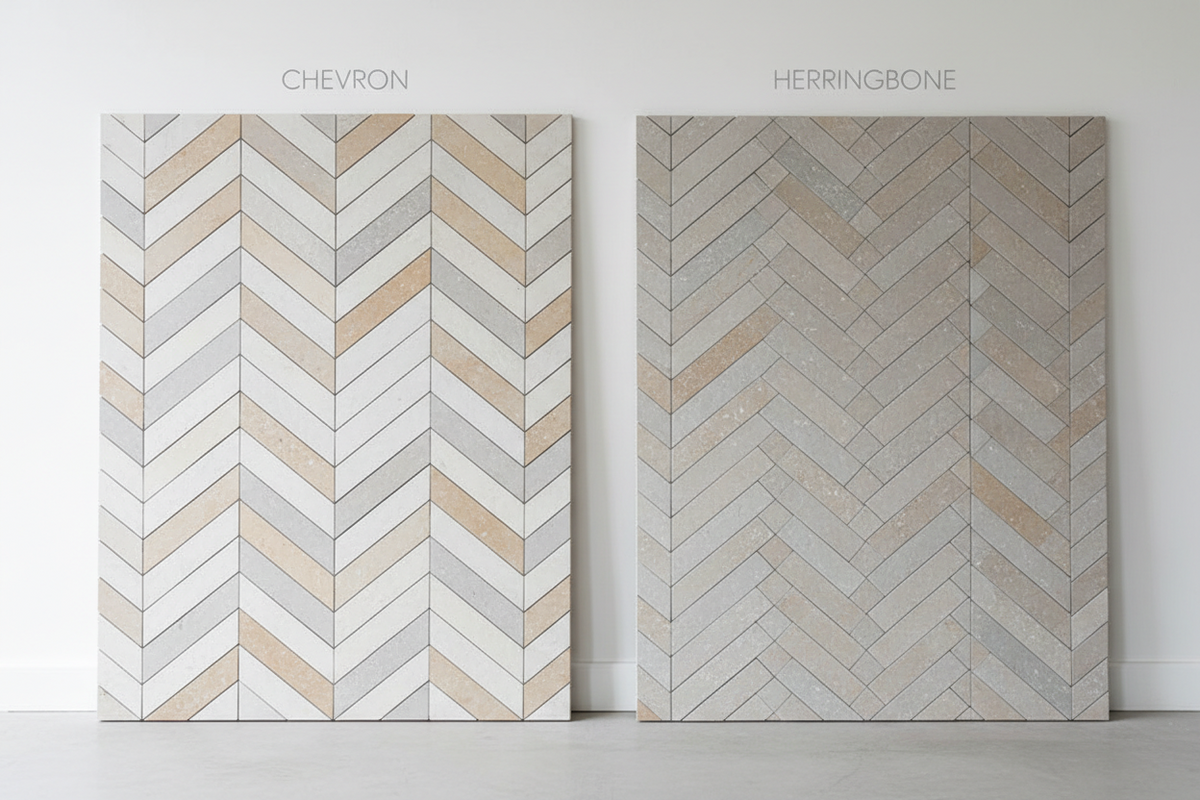
Professional installation for natural stone wall tile typically runs $5 to $15 per square foot in labor alone, with skilled stone tile specialists in high-cost markets (New York, Los Angeles, San Francisco) charging up to $20 per square foot or $50–$150 per hour. Wall tile installation carries a slight premium over floor work due to the precision and physical demand of working vertically. Complex patterns — herringbone, vertical stack bond, diagonal — push labor costs toward the higher end.
Additional Material Costs to Budget For
- Stone sealer: $20–$60 per quart (covers ~200–500 sq ft depending on porosity)
- White polymer-modified thinset mortar: $25–$50 per bag (~40–50 sq ft coverage)
- Grout (unsanded or sanded): $15–$30 per bag
- Tile backer board: $10–$20 per sheet
- Waterproof membrane (wet areas): $1–$3 per sq ft
- Tile trim and edge pieces: $5–$20 per linear foot
- Specialty tools (wet saw, diamond blade): $200–$800 if purchased; $50–$150/day rental
Total Project Cost Estimates (2026)
| Project Type | Approximate Area | Stone Type | Estimated Total Cost |
|---|---|---|---|
| Bathroom feature wall | ~40 sq ft | Travertine or limestone | $800 – $2,000 |
| Full bathroom wall tile | ~120 sq ft | Mid-range marble | $2,500 – $6,000 |
| Kitchen backsplash | ~25 sq ft | Marble or quartzite | $700 – $2,500 |
| Fireplace feature wall | ~30 sq ft | Premium slate or quartzite | $800 – $3,000 |
| Outdoor feature wall | ~50 sq ft | Granite or slate | $1,200 – $4,000 |
📊 Cost Context: According to HomeAdvisor's 2025 True Cost Guide, natural stone tile installation projects range from as low as $450 to as high as $6,500 for residential applications, with an average project cost of approximately $1,969 when material and labor are combined. Full luxury bathroom stone projects with premium materials can reach $15,000–$30,000.
What Drives the Price Up or Down?
Beyond the stone type itself, several factors significantly affect your final bill: the grade and finish of the stone (polished or honed commands a premium over standard finishes); tile format size (large-format panels cost more per square foot in both material and labor); pattern complexity (herringbone or diagonal layouts increase labor by 15–25%); geographic location (installation labor costs in the Northeast and West Coast run 30–50% higher than the national average); and whether structural work is required on the wall substrate before installation begins.
Common Mistake: Many homeowners budget only for the tile material cost and are blindsided when labor, sealer, thinset, waterproofing membrane, and trim pieces add 40–80% to the tile material cost. Always request an all-in project quote — not just a materials estimate — before committing to a budget.
4. The Real Pros of Natural Stone Wall Tiles
Here's what makes natural stone wall tile genuinely great — not the glossy marketing version, but the honest reasons experienced homeowners, interior designers, and renovation professionals keep choosing it.
✔ Pro 1: Beauty That Cannot Be Manufactured
There is no manufactured product that matches the visual depth of real natural stone. The way light moves across a honed marble surface, the organic irregularity of travertine texture, the crystalline shimmer in a quartzite tile — these exist in nature and cannot be fully replicated by high-definition printing, regardless of how advanced the technology becomes. If you've spent time in a room tiled with real stone versus stone-look porcelain, you've felt the difference, even if you couldn't quite name it.
✔ Pro 2: Exceptional, Proven Longevity
Natural stone buildings from ancient Rome, medieval Europe, and the classical world are still standing — still beautiful — thousands of years later. In a modern American home, that kind of longevity is extraordinary. With proper installation and care, natural stone wall tiles reliably last 50 to 100 years or more. When you calculate cost over time, stone's durability makes it one of the most economically rational wall materials available.
✔ Pro 3: Adds Measurable, Real Home Value
Natural stone is a recognized luxury feature in American real estate. Remodeling Magazine's 2024 Cost vs. Value Report consistently shows bathroom renovations as among the highest-ROI home improvements, and real estate professionals specifically cite natural stone as a premium selling feature. In upscale markets, natural stone tile can return more than its installation cost in added home value — something stone-look porcelain cannot match.
✔ Pro 4: Heat Resistance and Radiant Heating Compatibility
Natural stone is naturally heat-resistant and an excellent thermal conductor. It's fully compatible with radiant floor and wall heating systems — an increasingly popular feature in American bathroom renovation — and won't warp, discolor, or off-gas when exposed to heat. Stone also stays naturally cool in warm weather, a genuine comfort advantage in Southern and Southwestern climates.
✔ Pro 5: Environmentally Responsible
Compared to ceramic and porcelain tiles — manufactured through energy-intensive kilning processes — natural stone requires considerably less processing energy. It contains no synthetic chemicals, produces no VOCs, and lasts far longer than manufactured alternatives, reducing the need for replacement. For homeowners focused on indoor air quality and environmental footprint, natural stone is one of the most responsible flooring and wall material choices available. Domestic US sourcing (the country has excellent granite, slate, and limestone quarries) further reduces environmental impact.
✔ Pro 6: Timeless Style That Transcends Trends
Tile trends come and go. Natural stone is the exception. Marble bathroom walls have been desirable since Roman antiquity. Travertine has defined Mediterranean architecture for millennia. Stone doesn't need to be reinvented because it isn't a trend — it's a material. This means your investment won't look dated in ten years. It won't look dated in twenty. That's a significant advantage in a renovation market where "dated" is the most common reason homeowners tear out perfectly functional surfaces.
✔ Pro 7: Develops Character With Age
Unlike porcelain or ceramic, which simply wear or fade, natural stone often develops a desirable patina over time. Travertine develops a warm glow. Marble develops a gentle sheen from use. Slate deepens in color. This natural aging process contributes to the lived-in authenticity that makes stone interiors feel warm and genuinely personal in a way brand-new manufactured tile never achieves.
📊 Value Insight: A 2024 survey by Zillow found that bathrooms featuring natural stone — particularly marble and travertine — were associated with 3–5% higher listing prices in comparable markets. Listings mentioning "natural stone" in their descriptions received 18% more views than comparable homes with standard tile.
5. The Honest Cons of Natural Stone Wall Tiles
Equally important are the genuine disadvantages. These aren't dealbreakers for most homeowners, but ignoring them creates buyer's remorse — and expensive repair bills.
✖ Con 1: Higher Upfront Cost
There's no getting around it: natural stone wall tile costs significantly more than ceramic or porcelain, both in material and installation. A budget-minded homeowner can achieve a stone-look porcelain backsplash for $2–5 per square foot in materials. The equivalent real marble or quartzite might run $15–40 per square foot. For large wall areas, that difference compounds quickly and is a real consideration that deserves honest budgeting.
✖ Con 2: Porosity and Staining Risk Without Proper Sealing
Most natural stone is porous to some degree and will absorb liquids if not properly sealed. In wet areas like showers and kitchen backsplashes, this isn't optional — it's a baseline requirement. Without proper sealing, natural stone walls in wet environments can develop staining, mold in grout joints, and moisture damage behind the tile that's expensive to remediate.
✖ Con 3: Ongoing Maintenance Requirements
Natural stone wall tiles require regular sealing (annually or bi-annually depending on stone and location), cleaning with pH-neutral stone-specific products, and prompt attention to spills and staining. You cannot use vinegar, lemon juice, bleach, or most standard household cleaners on natural stone — they etch, discolor, or degrade the surface over time. This maintenance reality is a dealbreaker for some homeowners and a minor inconvenience for others. Know your lifestyle honestly before committing.
✖ Con 4: Weight Requires Proper Substrate
Natural stone is heavier than ceramic or porcelain of the same size. Wall substrates must be structurally sound and properly prepared to support the weight. Large-format stone wall panels in particular may require substrate reinforcement. This adds complexity and cost to installation — especially in renovation projects where existing walls may not be built to handle additional load.
✖ Con 5: Professional Installation Is Non-Negotiable in Wet Areas
Natural stone wall tile is not a beginner DIY project in shower or wet bathroom applications. The waterproofing membrane, correct thinset specification (white, polymer-modified), pre-grouting seal sequence, and the handling of fragile or brittle stones require experienced hands. A poorly installed natural stone shower — with inadequate waterproofing or improper adhesive — can result in significant water damage behind the tile that costs far more to repair than professional installation would have cost upfront.
✖ Con 6: Natural Variation Can Be Challenging to Manage
Because natural stone is organic, variation between tiles is inherent — and sometimes extreme. Ordering from the same production lot helps, but future repairs or additions may not match. Plan for 15–20% overage when ordering, and store leftover tiles for future repairs. Color consistency is simply not something natural stone can guarantee in the way manufactured tile can.
Common Mistake: Skipping pre-sealing on natural stone before grouting can cause permanent grout haze — grout pigment absorbed into the stone surface that cannot be fully removed. Always seal before grouting, especially on marble and travertine.
6. Room-by-Room Application Guide
The same stone that's perfect for a fireplace surround might be a poor choice for a shower wall. Here's how to match stone to application thoughtfully.
Bathroom Walls
The bathroom is the most popular application for natural stone wall tile in American homes — and with good reason. The spa-like quality of real stone, particularly as a shower surround or full feature wall, creates an environment that's genuinely restorative in a way manufactured materials can't replicate. For bathroom walls, the best performers are quartzite (hard, beautiful, moisture-resistant), marble (especially in a honed finish for lower daily maintenance), filled-and-honed travertine (with consistent annual sealing), and basalt (premium, low-maintenance, stunning in modern contexts).
Kitchen Backsplash
A natural stone kitchen backsplash is one of the highest-impact, lower-square-footage ways to introduce real stone to your home. Because backsplashes typically cover just 15–30 square feet, the material cost difference between stone and porcelain is much smaller relative to the total project budget — making natural stone more accessible here than in large-scale bathroom applications. For kitchens, granite and quartzite lead — both resist kitchen oils and cooking acids far better than marble or travertine. Marble works beautifully in kitchen backsplashes away from the stove zone, but requires vigilant sealing maintenance.
Fireplace Surrounds & Living Room Feature Walls
This is where natural stone reaches its most dramatic potential and faces its lowest maintenance demand — no moisture, no food exposure, just pure aesthetic impact. Virtually every stone type performs beautifully here. Slate and quartzite have a particular affinity for fireplace surrounds. Large-format marble slabs as a fireplace backdrop are among the most elegant design statements in residential interiors. Stacked stone veneer — thin natural stone pieces in a dry-stack pattern — is a popular, highly textural choice for living room feature walls that creates a striking architectural presence.
Entryways & Hallways
Natural stone wall tile in entryways — as a full wall, wainscoting panel, or accent section — creates an extraordinary first impression. This is a relatively low-moisture, low-maintenance application. Limestone and travertine work beautifully in classic or transitional entryways; marble for luxury aesthetics; slate or quartzite for contemporary or industrial-influenced spaces. The entry is a smart place to invest in a premium stone because it's the first — and last — thing you and your guests experience in your home.
Outdoor Walls & Exterior Features
Outdoor natural stone wall tile requires a different specification mindset than interior. You need frost-resistant stone (critical in any American climate north of the Gulf Coast), UV-stable coloring, and materials rated specifically for exterior exposure. Slate, quartzite, and granite are the most reliable outdoor stone wall tile choices for American climates. Travertine and limestone should only be used on outdoor walls in warm, dry climates — they absorb moisture and are vulnerable to freeze-thaw cracking.
| Outdoor Area | Recommended Stone | Why It Works |
|---|---|---|
| Pool Feature Wall | Quartzite or Granite | Chemical-resistant, frost-resistant, UV-stable |
| Outdoor Kitchen Backsplash | Granite | Highly resistant to grease, heat, and moisture |
| Patio Feature Wall | Slate or Quartzite | Weather-durable, earthy tones blend with landscaping |
| Outdoor Fireplace Surround | Slate or Granite | Heat-resistant, weather-tolerant, dramatic visual impact |
| Entryway Accent Wall | Limestone or Travertine (warm climates only) | Welcoming, organic warmth; requires sheltering |
7. Natural Stone vs. Porcelain Look-Alike: Which Should You Choose?
This is the question at the heart of most American tile purchasing decisions in 2026. And the answer is genuinely nuanced — neither "always buy real stone" nor "porcelain is just as good" is accurate.
Choose Natural Stone Wall Tile When:
- You're investing in a home you plan to own for 10+ years and want lasting material value
- Authentic uniqueness matters — you want a wall no one else in the world has
- You're doing a luxury or high-end renovation where the real material distinction matters to you and future buyers
- The wall is in a low-moisture, low-spill zone (or you're committed to proper sealing and annual maintenance)
- Environmental impact and VOC-free materials are priorities in your household
- You want to maximize resale value, particularly in mid-to-upscale real estate markets
Consider Porcelain Look-Alike When:
- Budget is a firm constraint and square footage requirements are large
- The wall is in a high-moisture area and you're not willing to commit to annual sealing
- You want a viable DIY installation without specialist help
- You're renovating a rental property or a home you plan to sell in the short term
- You need absolute color consistency across a large wall area (natural stone cannot guarantee this)
📊 Market Context: High-definition porcelain stone-look tiles have genuinely advanced. At conversational distance, premium stone-look porcelain is visually convincing. The difference becomes apparent on close examination, in tactile quality (stone has weight and depth porcelain doesn't replicate), and in real estate perception. For priority spaces — master bathroom, kitchen, main living areas — real stone delivers value and aesthetic dividends that porcelain cannot match. For secondary spaces, porcelain is a practical, respectable alternative.
8. Installation: What You Need to Know Before You Start
Natural stone wall tile installation is more demanding than standard tile work. Here's what you — and any contractor you hire — needs to get right.
Substrate Requirements
Wall substrates for natural stone must be flat, structurally sound, and appropriate for stone's weight. For interior walls, cement board or a comparable tile backer board is typically required. In wet areas, a waterproof membrane — either a sheet membrane system like Schluter-Kerdi or a liquid-applied membrane — must be applied over the backer board before any tile is set. Never install natural stone tile directly over standard unprepared drywall in wet or high-humidity areas.
The Right Thinset Mortar Is Non-Negotiable
Use white polymer-modified thinset mortar for natural stone wall tile, especially for lighter-colored stones. Grey thinset can telegraph through translucent stones like marble, quartzite, or onyx — creating blotchy discoloration that's impossible to correct without removal. For large-format stone wall tiles (18"x18" or larger), medium-bed mortar provides the dimensional stability the heavy material requires.
Layout Planning Before Any Mortar Is Mixed
For wall tile, always plan your layout thoroughly before applying any mortar. Start from the most visually prominent point — typically the center of a feature wall or the back wall of a shower — and work outward in both directions. Mark your layout lines with a chalk line and level. Plan to avoid ending with thin slivers at corners, edges, or around openings; adjust your starting point if needed. Dry-laying several rows of stone before mixing mortar reveals layout issues before they become permanent problems.
Installation Best Practices
- Waterproof all wet wall areas properly before tile installation begins
- Dry-lay sheets before applying thin-set to confirm layout and identify problem areas
- Use sanded grout for wider joints (over 1/8"); unsanded for narrower joints
- Seal stone before grouting to prevent permanent grout haze
- Back-butter each tile with a skim coat of thinset in addition to applying to the wall
- Allow thinset to cure fully (24–48 hours) before grouting — never rush this step
- Apply a final penetrating sealer over both stone and grout once grout has cured (72 hours)
Common Mistake: Skipping pre-sealing on natural stone tile before grouting can cause permanent grout haze — grout pigment absorbed into the porous stone surface that cannot be removed. This is the most frequently reported installation mistake among first-time natural stone tile buyers.
Grouting Natural Stone Walls
For most natural stone wall tile, unsanded grout suits joints under 1/8"; sanded grout handles larger joints. After the pre-grouting seal has dried fully, work grout in with a rubber float held at a 45-degree angle to the wall, pressing firmly into all joints. Remove excess promptly with a damp — not wet — sponge before it begins to harden. Multiple passes are almost always needed to achieve clean grout lines on textured stone surfaces.
DIY vs. Professional Installation
Some homeowners with intermediate tile experience successfully install natural stone wall tile on non-wet walls — fireplace surrounds, living room feature walls, sheltered outdoor walls. For wet areas — shower walls, bathroom feature walls — professional installation by an experienced stone tile specialist is strongly recommended. The waterproofing sequence, correct product specification, and stone-handling skill required in wet applications make amateur errors both likely and expensive to correct.
9. How to Maintain Natural Stone Wall Tiles
Natural stone wall tiles do require more care than manufactured tile — there's no point pretending otherwise. But with the right routine, that care is straightforward, quick, and genuinely worthwhile for the results it preserves.
Daily and Weekly Care
For shower and bathroom walls, wipe stone surfaces with a squeegee or soft cloth after each use to remove excess moisture. This single habit dramatically reduces soap scum buildup and the risk of mold establishing in grout joints. Weekly cleaning uses a pH-neutral stone cleaner only — nothing acidic, nothing bleach-based, nothing "multi-surface." Stone-specific cleaners are widely available, inexpensive, and genuinely formulated for the job.
Kitchen Backsplash Maintenance
Wipe kitchen backsplash stone immediately after cooking. Grease is the most damaging common substance for kitchen stone walls — it can penetrate the pores of even well-sealed stone if left to sit. A spray of pH-neutral stone cleaner and a soft cloth after each cooking session maintains kitchen stone beautifully and extends the effectiveness of the annual seal coat.
Annual Resealing
Most natural stone wall tiles in wet or kitchen environments need re-sealing every 12–18 months. The water bead test makes timing easy: drop a small amount of water onto the stone surface. If it beads up and sits on the surface, the seal is holding. If it absorbs within a few minutes and darkens the stone, re-sealing is needed. The process takes roughly an hour for a typical bathroom — clean the surface thoroughly, allow to dry fully, apply penetrating sealer per product instructions, and allow to cure per the manufacturer's timeline.
Dealing with Stains
- Organic stains (coffee, wine, food): Use a stone-safe poultice to draw the stain out of porous stone without surface damage.
- Rust stains: Use a stone-safe rust remover only — standard rust removers are acid-based and will etch stone permanently.
- Oil/grease stains: Use an alkaline stone degreaser; work in small sections.
- Grout haze (if not pre-sealed): This is the hardest to reverse — a professional stone restoration service may be required.
Products to Always Avoid on Natural Stone
- Vinegar and lemon juice (acidic — causes permanent etching)
- Bleach and chlorine-based cleaners
- Ammonia-based cleaners, including many glass cleaners
- Abrasive scrubbing powders or scouring pads
- Steam cleaners (heat degrades sealer over time)
- Standard "all-purpose" bathroom tile sprays (almost universally too acidic for natural stone)
Important: "Natural" or "green" cleaning products are not automatically safe for natural stone. Many eco-friendly cleaners use citrus acids or vinegar that are just as damaging to stone as conventional acid-based products. Always check the pH and confirm stone compatibility before using any cleaner on natural stone surfaces.
10. 2026 Natural Stone Wall Tile Design Trends
The design conversation around natural stone wall tile in 2026 is one of the most exciting in recent memory — moving beyond the minimalist white marble bathroom of the 2010s into something richer, warmer, and more immersive.
Trend 1: Total Stone Immersion ("Mineral Drenching")
Coverings 2025 identified "mineral drenching" as a defining design movement: enveloping an entire space — floors, all walls, ceiling, shower niches — in the same natural stone material for a seamless, cave-like environment. Travertine-drenched bathrooms, all-marble shower rooms, and slate-walled fireplaces that extend across the entire chimney breast are the signature expressions of this trend. It's bold, immersive, and deeply satisfying in a way no accent tile can achieve.
Trend 2: Warm Earthy Tones Replace Cool Whites
The cool Carrara marble bathroom that defined the 2010s is being replaced in 2026 by warmer palettes: honey-toned travertine, creamy limestone, golden quartzite, warm-veined marbles in beige and tan ranges. Stone Tile Depot's 2025 trend analysis confirmed that "the palette is warming significantly," with earthy, comforting tones representing a clear shift away from the stark, clinical whites that dominated the past decade.
Trend 3: Textured and 3D Stone Wall Surfaces
Flat, polished stone walls are yielding to more tactile, three-dimensional approaches in 2026. Fluted stone panels, rough split-face slate, brushed travertine with deeply expressed natural voids, and stacked stone veneer in irregular courses all create shadow play and architectural depth that flat tile cannot achieve. These textured surfaces are particularly sought-after for fireplace surrounds, living room feature walls, and exterior facade treatments where scale and drama are the goal.
Trend 4: Large-Format Natural Stone Wall Panels
The move to large-format tiles — reported prominently by Living Etc. and Homes & Gardens as a defining 2025–2026 direction — is fully expressing itself in natural stone wall applications. Stone panels at 24"x48", 48"x48", and even larger "slab tile" formats create near-seamless stone walls that maximize the visual impact of each stone's natural patterning. Fewer grout lines means cleaner aesthetics, easier maintenance, and a more expansive feel — particularly effective in shower rooms and open-plan living spaces.
Trend 5: Stone and Natural Material Combinations
Pairing natural stone wall tile with complementary natural materials — a wood-paneled vanity wall next to a stone shower surround, a limestone fireplace with a live-edge wood mantle, a marble backsplash behind open-grain timber shelving — is among the most resonant design directions of 2026. The contrast of warm wood grain with cool stone texture creates spaces that feel genuinely connected to nature, layered, and deeply personal in a way single-material spaces cannot.
Trend 6: Bold Statement Stones in Small Doses
Onyx, bookmatched marble, and dramatically veined quartzite used in concentrated, high-visibility locations — a single shower niche in onyx, a bookmatched marble panel behind a freestanding tub, a quartzite accent wall in a powder room — is a trend that allows homeowners to experience luxury stone without the cost of full-room installation. These statement moments carry outsized design impact relative to their square footage.
11. Buyer's Checklist: How to Shop Smart for Natural Stone Wall Tiles
- Define your application first, aesthetics second. Wet or dry? Interior or exterior? High-visibility or functional? This determines your stone type options before budget even enters the conversation.
- Research your stone's technical specifications. Request Mohs hardness rating and water absorption percentage for any stone you're considering for a wet or high-traffic wall area.
- Order samples before committing to full quantity. Stone looks different under different lighting conditions — assess physical samples under your actual room lighting, morning and evening, before finalizing your selection.
- Order from a single production lot. Confirm all tiles come from the same quarry production run for the best color and texture consistency across your installation.
- Order 15–20% overage. Account for cuts, breakage, and future repairs. Matching natural stone from a different production lot later is often impossible.
- Choose finish for the application, not just appearance. Polished for dry decorative walls; honed or brushed for wet zones; tumbled or split-face for textural and outdoor walls.
- Budget for the complete project, not just tile. Material + installation labor + thinset + grout + waterproofing membrane + sealer + trim pieces. All-in costs routinely run 40–80% above the tile material price alone.
- Vet your installer specifically for natural stone experience. Ask to see completed natural stone wall tile projects. This is a meaningfully different skill set than standard ceramic tile installation.
- Buy your sealer at the same time as your tile. Different stones require different sealer formulations. Your tile supplier should be able to recommend the correct product for your specific stone and application.
- Consider long-term maintenance honestly. Annual sealing, pH-neutral cleaning products, and careful stain management are non-negotiable. If that doesn't fit your lifestyle, choose your stone accordingly — or consider a lower-porosity option like quartzite or granite.
Real-World Case Study: A Whole-Home Stone Wall Renovation in Denver, Colorado
A family in Denver, Colorado recently undertook a comprehensive whole-home renovation that incorporated natural stone wall tile across four areas: a master shower surround in honed Carrara marble, a kitchen backsplash in leathered Black Galaxy granite, a main living room fireplace surround in stacked quartzite, and an outdoor kitchen backsplash wall in brushed slate.
Two years post-renovation, the homeowners report the following: the marble shower has required annual sealing but shows no staining or mold issues; the granite kitchen backsplash has required virtually no maintenance beyond routine cleaning; the quartzite fireplace has developed a warm patina they describe as "exactly what we hoped for"; and the outdoor slate has weathered Denver's freeze-thaw cycles without any cracking or delamination. Total project cost: approximately $28,000 across all four applications. At their most recent real estate appraisal, the home's value had increased by approximately $40,000 — an ROI that considerably exceeded the renovation investment.
The family's key lessons: hire only a specialist stone tile installer; don't skip pre-sealing; and choose stone type to match maintenance willingness, not just aesthetics. "The marble is the most beautiful thing in our house," the homeowner noted, "but it also requires the most love. The granite asks for nothing."
12. Frequently Asked Questions
Are natural stone wall tiles suitable for showers?
Yes — when properly specified and maintained. The keys are correct waterproofing behind the tile (a sheet or liquid membrane, not just cement board), choosing an appropriate stone (quartzite and marble perform best; use only filled-and-honed travertine), pre-grouting sealing, and annual re-sealing thereafter. Done correctly, a natural stone shower surround is both beautiful and durable. Done incorrectly — without proper waterproofing or sealing — water can penetrate behind tiles and cause structural damage that's expensive to remediate.
How often do natural stone wall tiles need to be sealed?
For shower and wet bathroom walls: annually, or every 18 months with a premium penetrating impregnating sealer. Kitchen backsplashes near cooking zones: annually, or twice yearly in heavy-use kitchens. Dry wall applications like fireplace surrounds or living room feature walls: every 2–3 years, or whenever the water bead test indicates depletion. Higher-density stones (quartzite, granite, basalt) need less frequent sealing than porous stones (travertine, limestone, marble).
What is the most affordable natural stone for wall tile?
Travertine and slate consistently represent the most accessible entry points into natural stone wall tile, with material costs often starting at $3–6 per square foot. Limestone and basalt offer mid-range pricing. Keeping stone to a feature wall or specific zone — a shower surround only, rather than tiling an entire bathroom — makes natural stone affordable even on a constrained budget. Choosing standard tile formats over large-format or custom-cut shapes also significantly reduces labor cost.
Can I install natural stone wall tiles myself?
On dry, non-wet walls (fireplace surrounds, living room feature walls, sheltered outdoor walls), homeowners with intermediate tile experience can often achieve good results. For wet applications — shower walls, bathroom walls in high-humidity environments — professional installation by an experienced stone tile specialist is strongly recommended. The waterproofing sequence, correct product specifications, and stone-specific handling skills required in wet applications make amateur errors both common and costly to correct.
How do I clean natural stone wall tiles?
Use only pH-neutral cleaners specifically formulated for natural stone. Never use vinegar, lemon juice, bleach, ammonia, or standard bathroom tile sprays — all are either too acidic or too alkaline and will cause etching, discoloration, or degraded sealer over time. A weekly wipe with a stone-safe cleaner and soft cloth or sponge is sufficient for most bathroom and kitchen stone walls. A daily squeegee of shower walls after each use prevents soap scum buildup and extends time between deep cleans significantly.
Will natural stone wall tiles increase my home's value?
Yes, meaningfully so in most American markets. Natural stone is a recognized premium feature in residential real estate. The effect is most pronounced in upscale and luxury markets where buyers specifically look for natural stone in bathrooms and kitchens. In lower price-point markets the financial ROI is less certain, but the quality-of-life value during your ownership — the daily experience of living with beautiful, authentic material — is real regardless of what happens at resale.
What is the difference between marble and quartzite — and which is better for walls?
Marble is metamorphic limestone — beautiful, soft (Mohs 3–4), porous, and requires consistent maintenance. Quartzite is metamorphic sandstone — equally beautiful in many cases, dramatically harder (Mohs 7+), denser, more resistant to etching and moisture. For pure aesthetic impact in a low-traffic dry wall application, marble is extraordinary. For a high-moisture wall like a shower, quartzite's superior durability and lower maintenance requirements make it the more practical choice. Many designers use marble for statement walls and quartzite for high-performance wet applications.
Is natural stone wall tile eco-friendly?
Natural stone is among the more environmentally responsible wall tile materials available, particularly when sourced domestically. It requires minimal processing energy compared to manufactured tiles, contains no synthetic materials or VOCs, and lasts far longer than manufactured alternatives — reducing replacement frequency and associated manufacturing impact. The quarrying process has environmental impact, so sourcing from suppliers who practice and document responsible quarrying is worthwhile for environmentally conscious homeowners.
Can natural stone wall tiles be used in cold climates outdoors?
Yes — but with careful stone selection. For outdoor wall applications in any American climate north of the Gulf Coast, you need frost-resistant stone with low water absorption (below 0.5%). Quartzite, slate, and granite all perform well in freeze-thaw conditions. Travertine, limestone, and most marbles should not be used outdoors in climates with regular freezing temperatures — they absorb moisture and are vulnerable to spalling and cracking from freeze-thaw cycling. Always check manufacturer frost-resistance ratings before specifying stone for outdoor wall use in cold climates.
Explore Premium Natural Stone & Pebble Tiles at Pebble Tile Shop
At Pebble Tile Shop, we focus exclusively on high-quality natural stone tiles — river pebbles, flat-sliced mosaics, and curated stone collections designed for bathrooms, showers, kitchens, and outdoor living spaces.
We carefully curate every product for consistent quality, strong mesh backing, and timeless design appeal. Whether you're creating a spa-inspired master bath or a durable outdoor feature wall, our collection is built to perform beautifully for decades.
Order samples. Compare stones. Install with confidence.
13. Conclusion: Is Natural Stone Wall Tile Right for Your American Home?
Natural stone wall tile isn't the right choice for every budget, every project, or every homeowner. But for those who choose it thoughtfully — selecting the right stone for the right application, investing in proper installation, and maintaining it with the care it deserves — it delivers something no other wall material can: genuine, lasting beauty from the Earth itself. Beauty that doesn't fade with trends. Beauty that ages gracefully and personally. Beauty that makes coming home feel like a small luxury every single day.
The cost is real. The maintenance commitment is real. But so is the extraordinary reward of living with natural stone — stepping into a marble shower that makes even a rushed Tuesday morning feel worth savoring, walking past a travertine fireplace wall that anchors your living room with warmth, catching the kitchen light differently every morning because the quartzite backsplash behind your stove is unlike anything a factory ever made.
If you want a material that feels genuinely natural, performs reliably over decades, adds measurable value to your home, and creates spaces that people remember long after they've left — natural stone wall tile is one of the smartest investments you can make in your home in 2026.
And when you're ready to take that step, we're here to help you get it right.
At Pebble Tile Shop, we've built our entire business around bringing American homeowners the finest natural stone tile available — backed by the kind of honest, knowledgeable guidance that's increasingly rare in the online tile world. We're not a big-box retailer trying to move volume. We're specialists who know every stone in our catalog intimately and care genuinely about helping you find the right material for your specific project, your specific home, and your specific life.
Our collection spans river pebble mosaics, flat-sliced stone sheets, tumbled natural stone, and premium curated stone collections for bathrooms, showers, kitchens, fireplaces, and outdoor living spaces. We offer sample ordering — because no one should commit to a full stone purchase without holding the actual material in their hands under their actual room lighting. We offer transparent product specifications, clear application guidance, and real human support from people who understand stone.
We've helped first-time homeowners navigate their first bathroom renovation and seasoned designers source materials for luxury hotel projects. We've guided customers in Minnesota to frost-resistant outdoor stone choices and customers in Arizona to the most heat-stable pool surround materials available. Whatever your project, whatever your climate, whatever your aesthetic vision — we have the stone, the knowledge, and the commitment to help you get there.
When you shop with us at Pebble Tile Shop, you're not just buying tile. You're gaining a partner in creating a space you'll be genuinely proud of for years to come — a space where the material tells a story that no manufactured product ever could.
Your dream wall starts here. Visit us at pebbletileshop.com and find the perfect stone for your home.


Leave a comment
This site is protected by hCaptcha and the hCaptcha Privacy Policy and Terms of Service apply.