
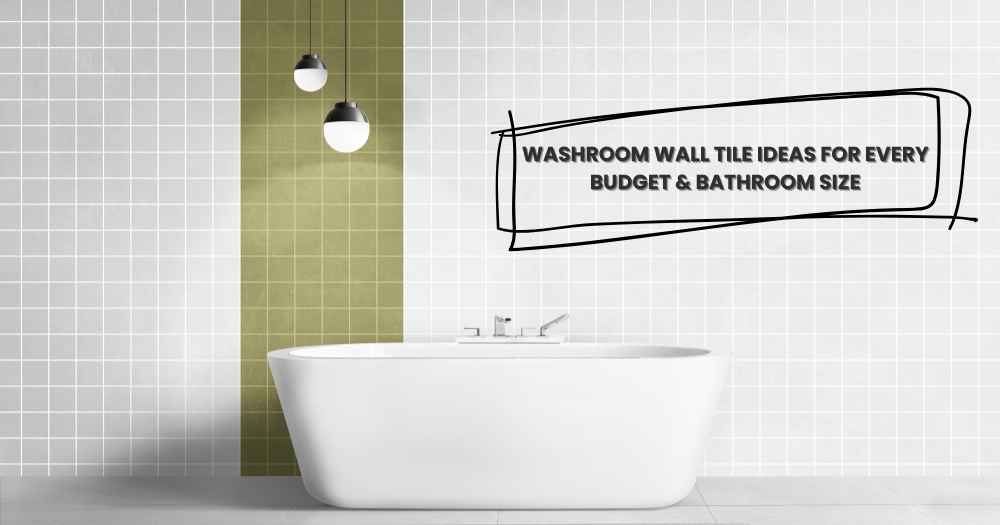
Choosing the right wall tile can completely change how your washroom looks and feels. The right tile can make a small space feel brighter, a plain bathroom feel more polished, and a busy family washroom easier to clean and maintain. But with so many materials, colors, patterns, and price points out there, it’s easy to feel stuck.
This guide is built to help you find Washroom Wall Tile Ideas for Every Budget & Bathroom Size—without overwhelm. Whether you’re working with a tight budget, a compact powder room, or a spacious primary bath, you’ll find practical ideas, layout tips, and smart ways to get a high-end look at any price. And when you’re ready to explore styles, Pebble Tile Shop offers curated wall tile options that help you bring the vision to life.
Why Washroom Wall Tiles Matter More Than You Think
Wall tiles aren’t just a “nice-to-have” finish. In a washroom, tiles influence the space in three big ways: style, function, and how large the room feels.
- Style: Wall tiles set the tone. A clean white tile can feel fresh and timeless, while textured stone or bold patterns can feel spa-like and modern.
- Function: Washrooms deal with moisture, splashes, steam, and daily use. The right wall tile helps protect walls and makes cleaning simpler.
- Perception of size: Tile size, color, and layout can make a small washroom feel larger, taller, or brighter—sometimes more effectively than paint.
And the best part? You don’t need a huge budget to get a washroom wall tile look that feels intentional and elevated. It’s often about choosing the right material and using it in the right places.
Budget-Friendly Washroom Wall Tile Ideas (Under Control, Not Compromised)
If you’re renovating on a budget, the goal isn’t to pick the cheapest option—it’s to pick what gives you the most impact for your spend. Budget-friendly can still look stylish, clean, and thoughtfully designed.
Best Low-Cost Materials That Still Look Premium
- Ceramic wall tile: Often one of the most affordable options. Great for clean, classic looks and easy maintenance.
- Porcelain lookalikes: Many porcelain tiles mimic stone, marble, or concrete—giving a designer look without the price tag of natural materials.
- Mosaic sheets (used strategically): Mosaics can be budget-friendly when used as accents (shower niche, backsplash, or a single feature strip) instead of full-wall coverage.
Smart Design Tricks to Stay Within Budget
- Create a feature wall: Put your “wow” tile on one wall (behind the vanity or in the shower) and use a simpler tile elsewhere.
- Use a classic shape with a fresh twist: Subway tile isn’t boring when you switch up the layout—vertical stack, herringbone, or a contrasting grout.
- Keep the palette simple: A calm color palette looks expensive, even with affordable tiles.
Where to Save vs. Where to Invest
A reliable approach: save on large, plain field tiles and invest in small areas people notice up close—like the shower niche, vanity backsplash, or a decorative border. That balance often delivers a high-end look without high-end cost.
Mid-Range Washroom Wall Tile Ideas for Balanced Style & Performance
Mid-range projects are where most homeowners find their sweet spot—more design choices, more durability, and enough flexibility to add detail without going overboard.
Popular Mid-Range Tile Materials
- Porcelain wall tile: Durable and low maintenance, with lots of finishes—matte, glossy, textured, stone-look, and more.
- Glass mosaics: Ideal for adding shine and dimension in niches or as accent panels.
- Textured finishes: Subtle texture can make plain walls feel layered and design-forward without loud patterns.
Layout Patterns That Elevate the Look
- Vertical stacked tile: Makes the washroom feel taller and more modern.
- Herringbone: Adds movement and sophistication, especially behind the vanity.
- Large-format walls: Fewer grout lines = cleaner look and easier cleaning.
Ideal Choices for Family Bathrooms
For busy bathrooms, look for surfaces that hide water spots and fingerprints. Matte and lightly textured tiles often do better than high-gloss in everyday family use, while still looking polished.
Premium Washroom Wall Tile Ideas for Statement Bathrooms
If you want a washroom that feels like a boutique hotel or spa, premium wall tile choices can deliver that feeling through texture, depth, and intentional detailing. Premium doesn’t have to mean “every inch is expensive.” Often, one statement surface can do the job.
- Natural stone mosaics: Rich texture, organic variation, and a truly one-of-a-kind look.
- Pebble tile accents: Great for creating a spa-inspired feature wall or pairing with calm neutrals.
- Marble or marble-look statement walls: Elegant and timeless, especially when used in large panels or clean layouts.
- Geometric patterns: Adds personality and makes the washroom feel designed, not generic.
Premium designs shine when you keep the rest of the room simple—so the tile is the hero.
Washroom Wall Tile Ideas for Small Bathrooms
Small washrooms can look amazing with the right tile choices. The key is working with light, scale, and layout so the room feels open instead of crowded.
- Go lighter for a brighter feel: Whites, soft beiges, pale grays, and warm creams reflect more light.
- Try large-format tiles: Fewer grout lines can make small spaces feel less busy.
- Use vertical layouts: Vertical stacked tiles or vertically placed rectangles can make the ceiling feel higher.
- Extend tile upward: Tiling to the ceiling in the shower (or even behind the vanity) can create a seamless, taller look.
- Add a small accent thoughtfully: A niche mosaic or a slim border adds interest without overwhelming the room.
Common mistake to avoid: too many patterns in a tight space. One focal point is usually enough.
Washroom Wall Tile Ideas for Medium-Sized Bathrooms
Medium washrooms are the most flexible—you have room for design details without needing to overthink every inch. This is where mixing materials and playing with layouts can shine.
- Half-wall tile + paint: A classic, budget-friendly approach that looks intentional and keeps the space airy.
- Vanity feature zone: Highlight the vanity wall with a patterned tile or textured look.
- Contrast grout: A subtle contrast grout can give simple tile a fresh, modern edge.
- Frame a shower niche: Small mosaic pieces can add depth and a designer touch.
Washroom Wall Tile Ideas for Large Bathrooms & Master Suites
Larger washrooms give you the freedom to create zones—shower, vanity, tub, and dressing space—without the room feeling busy. The goal is to add layers while still keeping the look cohesive.
- Mix textures: Pair a calm base tile with a textured accent wall to add depth.
- Create a statement wall: A full-height feature behind the tub or vanity can anchor the whole space.
- Extend tile across zones: Carrying the same tile from shower to vanity backsplash creates a “designed” flow.
- Use tile to define spaces: A mosaic panel in the shower or a different finish behind the vanity can separate areas without walls.
Choosing the Right Tile Material for Your Washroom Walls
If you’re deciding between materials, focus on moisture resistance, maintenance, and the style you want. Here’s a simple breakdown:
- Ceramic: Affordable, classic, and easy to clean. Great for many washroom wall tile ideas.
- Porcelain: Dense, durable, and often great for wet zones. Available in many looks and textures.
- Glass: Reflective and bright. Best as accents, niches, or feature panels.
- Natural stone: Beautiful and unique, but may need sealing depending on type and finish.
- Pebble tile: Adds organic texture and spa style, especially when used as a feature surface.
When shopping, think about how the tile will look in your lighting. A tile that looks warm in one room can look cooler in another—ordering samples can save you from surprises.
Tile Layout Patterns That Work in Any Budget
You can completely change the look of simple tiles just by changing the pattern. These layouts work across budgets and bathroom sizes:
- Classic subway (running bond): Timeless and easy to style with any décor.
- Vertical stack: Clean and modern—especially great for small washrooms.
- Herringbone: Adds movement and detail; best for feature walls or vanity backsplashes.
- Basketweave: Traditional and charming, often paired with vintage-inspired spaces.
- Mosaic sheets: Great for niches, borders, and accent panels where you want detail in a smaller area.
If your washroom is small, simpler patterns often feel calmer. If your washroom is large, you can layer patterns more confidently as long as you keep the color palette consistent.
Common Mistakes to Avoid When Selecting Washroom Wall Tiles
A few common missteps can make even good tiles look “off.” Here’s what to watch for:
- Ignoring lighting: Always check your tile choice in your washroom’s lighting, not just in a showroom photo.
- Overusing bold patterns: Too much pattern can feel overwhelming—choose one focal area.
- Choosing high-maintenance finishes without realizing it: Some textures and stones may need more care.
- Not planning grout color: Grout can dramatically change the final look, for better or worse.
- Skipping the “whole room” view: Tile should work with vanity color, hardware, paint, and flooring.
How to Plan Your Washroom Wall Tile Project Step-by-Step
Whether you’re hiring a pro or doing a DIY refresh, a little planning makes the entire project smoother.
- Measure your wall areas: Include shower walls, backsplash zones, and any feature walls.
- Add extra for cuts and waste: A common guideline is 10–15% overage, more for complex patterns.
- Order samples first: Seeing tile at home helps you confirm color, texture, and finish.
- Choose your layout: Decide early—pattern affects how much tile you need and how it looks.
- Confirm installation details: Especially for niches, trims, and corners where finishing makes a big difference.
FAQs About Washroom Wall Tile Ideas
What type of tile is best for washroom walls?
Porcelain and ceramic are popular because they’re easy to clean and handle moisture well. For accents, glass mosaics and natural stone can add texture and style when used thoughtfully.
Are large tiles good for small bathrooms?
Yes, large tiles can work well in small washrooms because fewer grout lines often make the space feel less busy. The key is choosing a lighter tone and keeping the layout simple.
How much does it cost to tile washroom walls?
Costs vary based on the tile type, how much wall you’re covering, and labor. A budget-friendly approach is using simple field tile across most walls and adding a smaller accent tile in one focal area.
Can you mix different tile styles in one bathroom?
You can, and it often looks beautiful when done with intention. Keep the color palette consistent, and limit the mix to two or three tile styles so the room feels coordinated.
How high should wall tiles go in a washroom?
In showers, tiles are often taken to the ceiling for better moisture protection and a cleaner look. Outside the shower, half-wall tile can work well—especially in medium bathrooms—while full-height feature walls create a more dramatic finish.
Final Thoughts: Finding Washroom Wall Tile Ideas That Fit Your Style & Budget
Great washroom design isn’t about spending the most—it’s about choosing materials and layouts that make sense for your space. A small bathroom can feel open and bright with the right color and pattern. A large washroom can feel calm and luxurious when textures are layered thoughtfully. And every budget can achieve a polished, intentional look with smart planning.
If you’re collecting Washroom Wall Tile Ideas for Every Budget & Bathroom Size, consider starting with the mood you want—clean and modern, warm and classic, or spa-inspired—and then choose tile materials and layouts that support that feeling. When you’re ready to explore curated styles, browse wall tile options at Pebble Tile Shop and order samples to see how your favorites look in your own lighting. It’s one of the simplest ways to feel confident before you commit—and it makes the entire project smoother from start to finish.

Leave a comment
This site is protected by hCaptcha and the hCaptcha Privacy Policy and Terms of Service apply.