
Choosing a backsplash is one of the most impactful decisions in kitchen design. Among the many options available today, subway mosaic tile and herringbone marble mosaic stand out as two of the most requested backsplash patterns by homeowners and designers alike.
Both patterns are timeless. Both are versatile. However, they create very different visual effects and serve different design goals. Understanding those differences is essential before making a final decision.
At the start of your backsplash journey, it helps to explore high-quality options from a trusted source like the Pebble Tile Shop. Whether your kitchen leans classic or contemporary, both subway and herringbone mosaics offer design flexibility that can elevate the entire space.
This in-depth guide will compare subway mosaic tile and herringbone marble mosaic across style, layout, maintenance, visual impact, and design compatibility helping you confidently choose the backsplash pattern that fits your home best.
Understanding Kitchen Backsplash Patterns
Before comparing subway and herringbone tiles directly, it’s important to understand why backsplash patterns matter in kitchen design.
A backsplash is not just a protective surface. It plays a major role in:
-
Defining the kitchen’s overall style
-
Creating visual balance between cabinets and countertops
-
Influencing how large or small a space feels
-
Adding texture, movement, or simplicity
Pattern choice affects all of these factors. A linear pattern creates calm and order, while an angled pattern introduces motion and energy. Subway and herringbone tiles represent these two opposing but equally appealing design philosophies.
What Is a Subway Mosaic Tile?
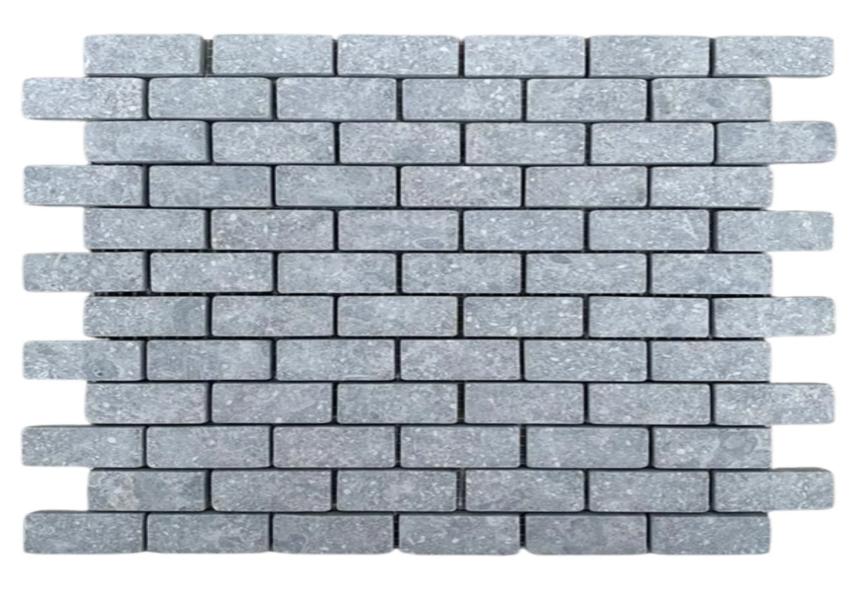
A subway mosaic tile consists of rectangular tiles arranged in a clean, horizontal pattern most commonly in a running bond layout. This design originated in early 20th-century subway stations and has since become a cornerstone of classic interior design.
Key Characteristics of Subway Mosaic Tile
-
Straight, linear layout
-
Clean and orderly appearance
-
Emphasizes horizontal movement
-
Works well with many grout styles
-
Easily blends into different kitchen tile styles
Because subway tiles are simple in shape, they provide flexibility. You can adjust the mood of the kitchen using grout color, tile finish, or installation pattern without changing the tile itself.
You can explore a wide variety of finishes and materials in the dedicated subway mosaic tile collection.
Why Subway Mosaic Tile Remains Popular
Subway mosaic tile continues to dominate kitchens for several reasons:
1. Timeless Design Appeal
Subway tiles do not follow trendsthey transcend them. Kitchens designed decades ago still feel relevant when subway tile is used correctly.
2. Visual Simplicity
Their straightforward pattern prevents visual clutter, making them ideal for kitchens with bold countertops or cabinetry.
3. Space-Enhancing Effect
Horizontal lines can visually widen a kitchen, making subway tile a smart choice for smaller or narrow spaces.
4. Design Flexibility
Subway mosaic tile works with classic, modern, transitional, and even industrial kitchens.
What Is a Herringbone Marble Mosaic?
A herringbone marble mosaic uses rectangular tiles arranged in a zigzag pattern. Instead of straight lines, the tiles interlock at angles, forming a V-shaped sequence that creates movement and texture.
This pattern is often associated with high-end interiors and architectural detailing, especially when paired with natural stone like marble.
Why Herringbone Marble Mosaic Makes a Statement
Herringbone backsplashes are chosen when the goal is visual impact.
1. Dynamic Visual Movement
The angled pattern draws the eye upward and across the wall, making the backsplash a focal point.
2. Elevated Aesthetic
When paired with marble, the herringbone pattern feels refined and luxurious without appearing excessive.
3. Texture and Depth
Light reflects differently across angled tiles, adding dimension to kitchen walls.
4. Ideal for Feature Areas
Herringbone works especially well behind ranges, sinks, or accent walls where attention is desired.
Subway Mosaic Tile vs Herringbone Marble Mosaic: Core Differences
Visual Impact
-
Subway Mosaic Tile: Calm, structured, understated
-
Herringbone Marble Mosaic: Energetic, bold, expressive
Pattern Style
-
Subway: Linear, repetitive, uniform
-
Herringbone: Angled, rhythmic, layered
Design Personality
-
Subway: Classic and versatile
-
Herringbone: Contemporary with artistic flair
Complexity
-
Subway: Simple and minimal
-
Herringbone: Intricate and detailed
Choosing Based on Kitchen Style
Choose subway mosaic tile for clean, timeless kitchens, and opt for herringbone marble mosaic when you want a bold, design-forward statement.
Modern Kitchens
-
Subway mosaic tile keeps the design clean and uncluttered
-
Herringbone marble mosaic adds architectural interest
Classic Kitchens
-
Subway tiles reinforce timeless charm
-
Herringbone works best as a controlled accent
Transitional Kitchens
-
Both patterns work beautifully
-
Subway for main backsplash, herringbone for focal zones
Contemporary Kitchens
-
Herringbone enhances creativity and texture
-
Subway offers balance when paired with bold materials
Layout and Installation Considerations
Subway mosaic tile offers simple, straight layouts for easy installation, while herringbone marble mosaic requires precise alignment for a more detailed, eye-catching finish.
Subway Mosaic Tile Layout Options
-
Traditional running bond
-
Vertical stack for a modern twist
-
Offset patterns for subtle variation
Subway mosaic tile is forgiving and allows flexibility in layout without overwhelming the space.
Herringbone Marble Mosaic Layout Options
-
Classic horizontal herringbone
-
Vertical herringbone for height emphasis
-
Full-wall or targeted feature layouts
Because of its complexity, alignment is critical for herringbone patterns.
Maintenance and Longevity
Subway mosaic tile is easy to clean and maintain, while herringbone marble mosaic benefits from regular sealing to preserve its natural beauty over time.
Subway Mosaic Tile Maintenance
-
Straight grout lines simplify cleaning
-
Easier to maintain visual consistency
-
Ideal for busy kitchens
Herringbone Marble Mosaic Maintenance
-
More grout intersections require care
-
Marble benefits from sealing
-
Best cleaned with gentle products
Both patterns are durable, but maintenance routines should match your lifestyle.
Can You Mix Subway and Herringbone Tiles?
Yes, and designers do it often.
Popular combinations include:
-
Subway mosaic tile across the main backsplash
-
Herringbone marble mosaic behind the stove
-
Subway tile perimeter with herringbone inset
This approach allows homeowners to enjoy both patterns without overwhelming the kitchen.
Design Tips for Best Results
-
Use subway tiles when countertops are bold
-
Use herringbone when cabinets are simple
-
Keep grout subtle to highlight pattern
-
Maintain visual balance across surfaces
If you’re unsure which pattern fits your kitchen, professional guidance helps. You can always contact us for design support.
Conclusion: Which Backsplash Pattern Should You Choose?
There is no single “best” backsplash pattern only the best one for your kitchen.
Choose subway mosaic tile if you value simplicity, timelessness, and versatility. Choose herringbone marble mosaic if you want movement, texture, and visual drama.
Both options elevate kitchen tile styles when used thoughtfully. Whether you prefer classic balance or contemporary expression, the right backsplash pattern can transform your kitchen into a space that feels intentional and inspired.

Leave a comment
This site is protected by hCaptcha and the hCaptcha Privacy Policy and Terms of Service apply.