
Introduction
When designing or renovating a bathroom, tile selection plays a major role in both aesthetics and long-term performance. Among the many options available, natural stone bathroom tiles continue to stand out for homeowners who value authenticity, texture, and timeless beauty. From spa-inspired retreats to elegant master bathrooms, natural stone has a way of elevating a space in a way few materials can.
That said, natural stone is not a one-size-fits-all solution. While it offers undeniable visual appeal and durability, it also comes with specific maintenance requirements and cost considerations that every homeowner should understand before buying. This guide takes a balanced, honest look at the pros and cons of natural stone bathroom tiles, helping you decide whether they align with your lifestyle, budget, and design goals.
What Are Natural Stone Bathroom Tiles?
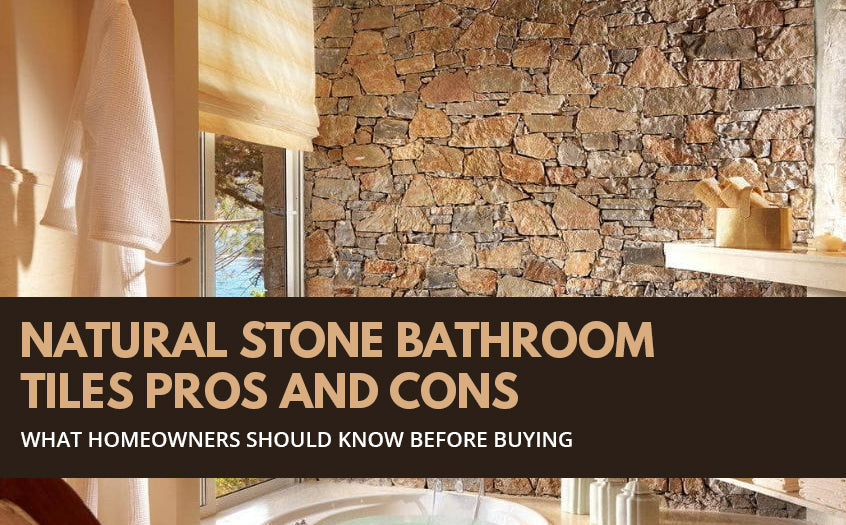
Natural stone bathroom tiles are cut from quarried stone and shaped into tiles suitable for walls, floors, showers, and accent areas. Unlike manufactured tiles, each piece of natural stone carries its own unique veining, texture, and color variation, making every installation one of a kind.
Common types of natural stone used in bathrooms include marble, granite, travertine, slate, limestone, and onyx. Marble is known for its elegant veining, granite for its strength, travertine for its warm earth tones, and slate for its textured, slip-resistant surface. Because these materials are formed by nature over thousands of years, they bring an organic character that cannot be replicated by ceramic or porcelain alternatives.
Advantages of Natural Stone Bathroom Tiles
Timeless Aesthetic Appeal
One of the strongest reasons homeowners choose natural stone bathroom tiles is their timeless look. Stone does not follow short-lived trends; it has been used in architecture for centuries. Whether your bathroom leans modern, traditional, or rustic, natural stone adapts beautifully and ages gracefully over time.
Unique Natural Variations
No two stone tiles are identical. Subtle differences in color, pattern, and texture create depth and character that mass-produced tiles cannot offer. For homeowners who value individuality and craftsmanship, this natural variation is a major advantage.
Durability and Longevity
When properly sealed and maintained, natural stone bathroom tiles can last for decades. Stone is inherently strong and resistant to everyday wear, making it a solid long-term investment. Many historic buildings still feature original stone floors and walls, a testament to the material’s durability.
Adds Value to Your Home
Natural stone is often associated with luxury and quality. Bathrooms finished with stone tiles can enhance a home’s perceived value and appeal to future buyers. While resale value depends on many factors, stone finishes are generally seen as a premium upgrade.
Comfort and Natural Feel
Stone tiles offer a cool, refreshing feel underfoot, which is especially appreciated in warm climates. When paired with radiant floor heating, they become both comfortable and practical, blending natural beauty with modern convenience.
Disadvantages and Challenges of Natural Stone Bathroom Tiles
Higher Upfront Cost
Natural stone bathroom tiles typically cost more than ceramic or porcelain alternatives. The price reflects quarrying, cutting, and finishing processes, as well as the uniqueness of the material. Installation can also be more expensive due to the need for experienced professionals.
Porosity and Water Sensitivity
Many types of natural stone are porous, meaning they can absorb moisture if left unsealed. In bathrooms, this can lead to staining or water damage over time. Regular sealing is essential to protect the surface and maintain its appearance.
Ongoing Maintenance Requirements
Stone tiles require more care than manufactured tiles. Cleaning products must be gentle and pH-neutral, and sealing may need to be repeated periodically. While not difficult, this maintenance does require consistency.
Potential Slipperiness
Some polished stone surfaces can become slippery when wet, especially on bathroom floors. Choosing honed or textured finishes and using proper placement can significantly reduce this concern.
Professional Installation Recommended
Natural stone installation demands precision. Uneven subfloors, improper adhesives, or poor sealing can cause long-term issues. For best results, professional installation is highly recommended.
Natural Stone Tile Maintenance and Care Tips
Maintaining natural stone bathroom tiles is straightforward when approached correctly. Regular cleaning with a soft cloth and a pH-neutral cleaner helps preserve the stone’s surface. Harsh chemicals, acidic cleaners, and abrasive tools should always be avoided.
Sealing is a key part of stone care. Depending on the type of stone and bathroom usage, sealing may be required once or twice a year. Promptly wiping up water, soap, and spills helps prevent staining and keeps the tile looking fresh for years.
Choosing the Right Natural Stone for Your Bathroom
Not all stone is ideal for every bathroom application. For high-moisture areas like showers, denser stones such as granite or properly sealed marble perform well. Textured finishes are better suited for floors where slip resistance matters.
Color choice also plays a role. Lighter stones can make small bathrooms feel more open, while darker stones add drama and contrast. Considering both function and aesthetics ensures your stone selection works beautifully in daily use.
Cost Breakdown: What to Expect
The cost of natural stone bathroom tiles varies widely based on stone type, size, finish, and origin. Beyond material costs, installation, sealing, and long-term maintenance should be factored into your budget.
While the initial investment is higher than some alternatives, many homeowners find the longevity and visual impact of natural stone justify the expense over time.
Natural Stone vs Porcelain and Ceramic Bathroom Tiles
Porcelain and ceramic tiles offer consistency, lower cost, and minimal maintenance. They are ideal for homeowners seeking a practical, budget-friendly option. Natural stone, on the other hand, delivers authenticity, texture, and a sense of craftsmanship that manufactured tiles cannot fully replicate.
The choice ultimately depends on priorities. If visual uniqueness and long-term value matter most, natural stone bathroom tiles are hard to beat. If convenience and cost control are top concerns, porcelain or ceramic may be more suitable.
Real Home Inspiration and Design Ideas
Natural stone works beautifully in a variety of bathroom designs. Marble walls create a spa-like atmosphere, slate floors bring an organic, grounded feel, and stone mosaics add texture to shower niches and accent walls.
Mixing stone with other materials, such as wood or glass, creates balanced and visually engaging spaces. Thoughtful lighting further enhances stone’s natural depth and movement.
Frequently Asked Questions
Are natural stone bathroom tiles suitable for wet areas?
Yes, when properly sealed and installed, natural stone can perform well in showers and wet zones.
How often do natural stone tiles need sealing?
This depends on the stone type and usage, but most require sealing every 6 to 12 months.
Are natural stone tiles difficult to maintain?
They require more care than ceramic tiles, but routine cleaning and sealing make maintenance manageable.
Do natural stone tiles increase home value?
They are generally perceived as a premium feature and can enhance overall bathroom appeal.
Conclusion
Choosing natural stone bathroom tiles is about balancing beauty, practicality, and long-term commitment. Their natural elegance, durability, and unique character make them a favorite for homeowners seeking something truly special. At the same time, understanding their maintenance needs and costs ensures there are no surprises down the line.
If you value timeless design and are willing to care for your investment, natural stone can transform your bathroom into a space that feels both luxurious and enduring. Explore curated natural stone collections, design inspiration, and expert guidance at Pebble Tile Shop to find the perfect stone tiles for your bathroom project.


Leave a comment
This site is protected by hCaptcha and the hCaptcha Privacy Policy and Terms of Service apply.